
Pan Residue Removal Guide
Step 1: Identify Your Pan Material
Select the type of pan you're trying to clean:
Step 2: What's the Issue?
Select what you're seeing on your pan:
Your Custom Cleaning Plan
Recommended Cleaners:
Prevention Tips:
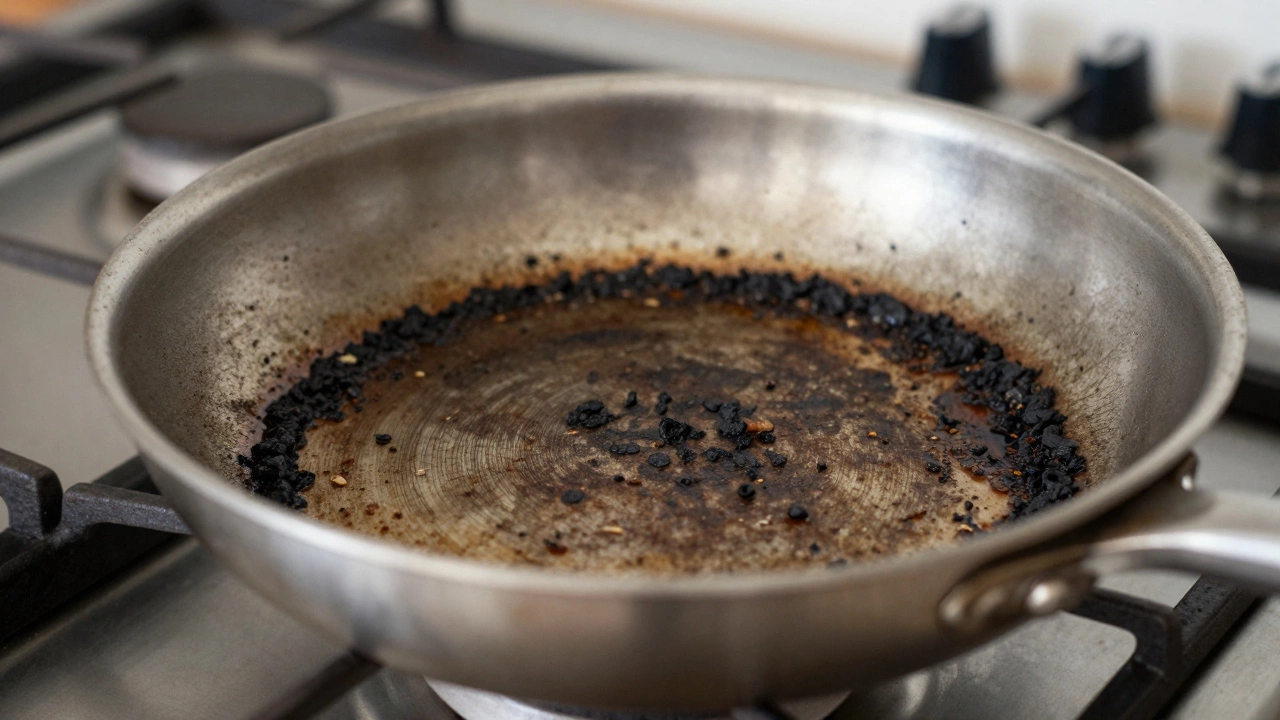
That stubborn black ring or patch on the bottom of your favorite frying pan is more than just an eyesore. It’s a sign that your cooking method or cleaning routine needs a slight adjustment. Whether you use gas, induction, or electric stoves, this black residue is common, but it doesn’t have to be permanent. Understanding what it actually is-usually a mix of carbonized oil, food particles, and heat-induced oxidation-is the first step to getting rid of it safely without damaging your cookware.
The Science Behind the Black Residue
To tackle the problem, you first need to know what you’re fighting against. The black stuff isn't one single substance; it’s typically a combination of three distinct elements depending on your stove type and cooking habits.
Carbonization is the most common culprit. When oils and fats are heated beyond their smoke point, they break down into carbon. This carbon deposits onto the metal surface of the pan, especially if you frequently cook at high temperatures or leave oil in the pan after use. Over time, these microscopic layers build up into a thick, hard-to-remove crust.
If you use a Gas Stove, soot from incomplete combustion can settle on the underside of pans. While this usually affects the exterior, splatter and overflow can cause similar blackening on the interior base. For those with Induction Cooktops, the black marks might be transferred from the glass-ceramic surface if there’s trapped debris between the pan and the hob, or from overheating that causes the pan’s coating to degrade.
In the case of Stainless Steel pans, the black discoloration is often Heat Tint. This occurs when the metal gets hot enough to change its oxide layer structure, creating rainbow or dark hues. Unlike carbon buildup, heat tint is part of the metal itself and requires different treatment to remove.
Identifying Your Pan Material
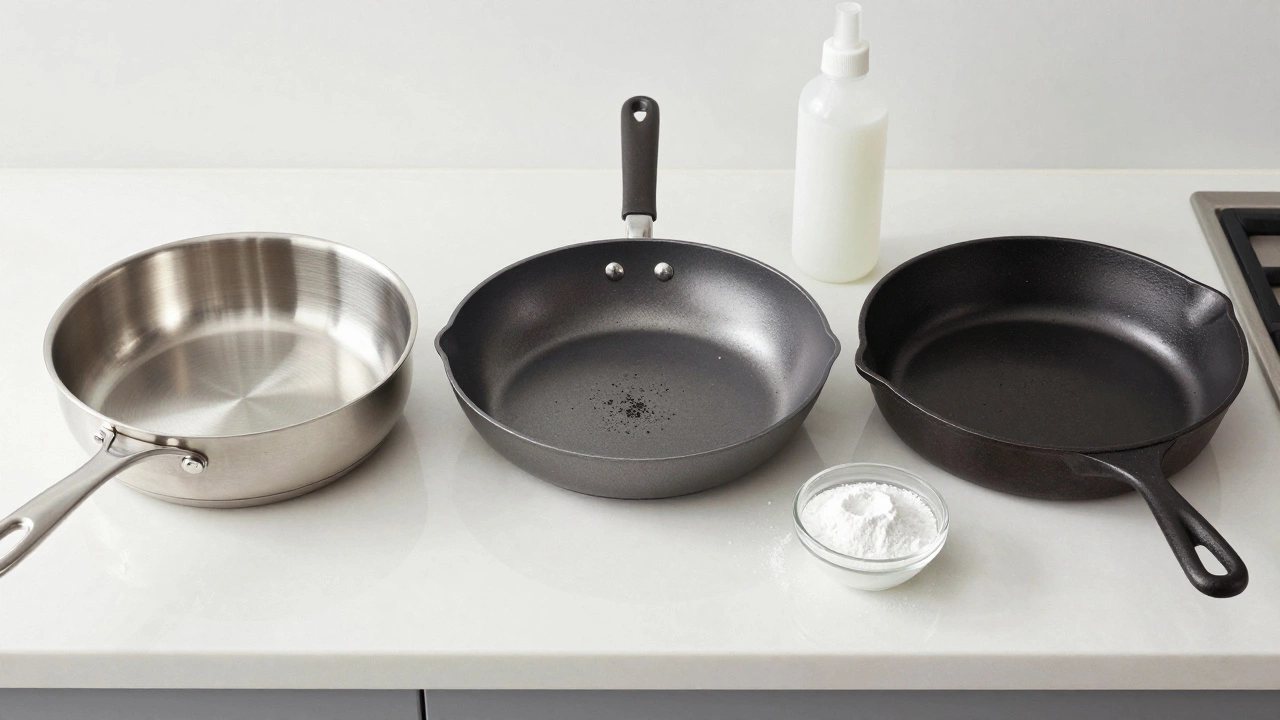
Before scrubbing, identify what your pan is made of. Using harsh abrasives on delicate coatings can ruin them permanently. Here is how to distinguish common materials:
- Non-Stick (Teflon/Ceramic): Usually has a smooth, matte finish. These are sensitive to scratching. Avoid metal scouring pads entirely.
- Stainless Steel: Shiny, metallic, and heavy. Often has a layered construction (clad) for even heating. Can withstand vigorous cleaning.
- Cast Iron: Heavy, black, and porous. If seasoned correctly, it should be smooth. Black residue here might indicate poor seasoning or burnt food.
- Anodized Aluminum: Hard, non-reactive, and often darker in color than standard aluminum. More durable than non-stick but less forgiving than stainless steel.
Safe Removal Methods by Material
The approach you take depends heavily on the pan's construction. You don't want to strip the seasoning off cast iron or scratch the coating off a non-stick skillet.
For Stainless Steel Pans
Stainless steel is tough, but it shows every mistake. For baked-on carbon, start with a paste of baking soda and water. Apply it generously to the black areas and let it sit for 15-20 minutes. The mild abrasive nature of the baking soda helps lift the carbon without scratching the steel. Scrub gently with a non-abrasive sponge. If the black marks persist, they might be heat tint. In this case, white vinegar is your best friend. Soak a paper towel in vinegar, wrap it around the affected area, and leave it overnight. The acidity breaks down the oxidized layer. Rinse and dry thoroughly.
For Non-Stick Pans
Caution is key here. Never use steel wool or harsh chemical cleaners. Fill the pan with warm water and a few drops of dish soap. Let it soak for several hours to soften the residue. Use a soft nylon brush or a wooden spoon to gently scrape away loose bits. If the black stuff remains, make a paste of baking soda and water, apply it, and let it sit for 15 minutes before wiping with a soft cloth. If the coating is peeling or flaking along with the black residue, it’s time to replace the pan. Damaged non-stick surfaces can release toxic fumes when heated.
For Cast Iron Skillets
If your cast iron has black buildup, it’s likely burnt food or polymerized oil gone wrong. Do not use soap if you want to preserve existing seasoning, though modern mild soaps are generally safe. Use coarse salt as a natural abrasive. Sprinkle salt over a damp sponge or rag and scrub the bottom vigorously. The salt acts like sandpaper, lifting the carbon without stripping the good seasoning. Rinse with hot water, dry immediately on low heat, and apply a thin layer of oil to re-season.
| Pan Material | Best Cleaner | Avoid | Risk Level |
|---|---|---|---|
| Stainless Steel | Baking Soda Paste, Vinegar | Chlorine Bleach | Low |
| Non-Stick | Mild Soap, Soft Sponge | Steel Wool, Abrasives | High |
| Cast Iron | Coarse Salt, Hot Water | Dishwasher, Harsh Soaps | Medium |
| Anodized Aluminum | Baking Soda, Mild Detergent | Acidic Foods (long term), Metal Scrapers | Medium |
Prevention: Stop the Buildup Before It Starts
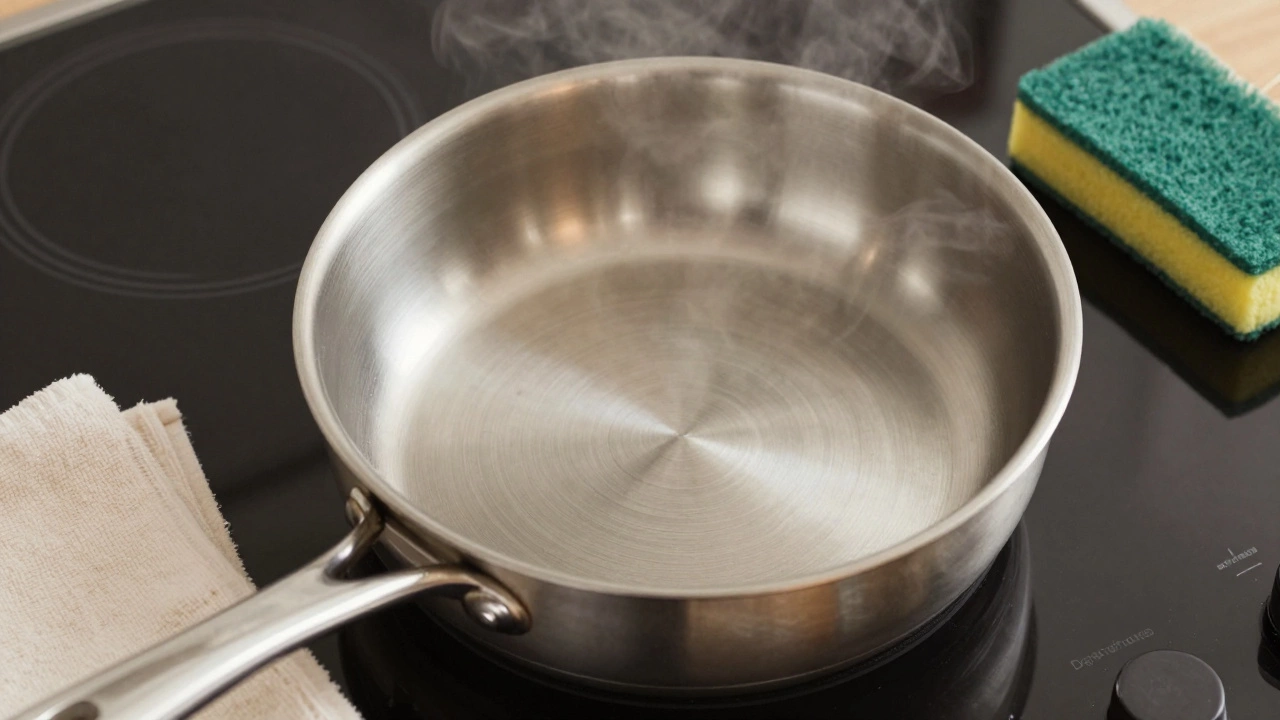
Removing black residue is tedious; preventing it is easy. Most buildup comes from improper heat management and cleaning habits.
- Control the Heat: High heat is the enemy of clean pans. Unless you are searing meat quickly, medium heat is sufficient for most cooking. Excessive heat breaks down oils faster, leading to carbonization.
- Clean While Warm: Don’t let food cool and harden in the pan. Wash your pans while they are still warm (but not scalding hot). Food releases easier, and less scrubbing is required.
- Use the Right Oil: Oils with low smoke points, like extra virgin olive oil or butter, burn easily. For high-heat cooking, use oils with higher smoke points such as avocado oil, refined coconut oil, or peanut oil.
- Avoid Thermal Shock: Placing a hot pan under cold water can warp the metal and trap residues in microscopic cracks. Let the pan cool slightly before washing.
When to Replace Your Cookware
Sometimes, the black stuff is a sign that the pan has reached the end of its life. If your non-stick pan has deep scratches, peeling coating, or warping that prevents it from sitting flat on the stove, no amount of cleaning will fix it. Warped pans also create uneven heating, which accelerates carbon buildup. Cast iron pans can last forever if maintained properly, but if the seasoning is completely stripped and rusted through, restoration may be more trouble than buying a new one. Stainless steel is nearly indestructible, but if the bottom is severely discolored due to prolonged overheating, it may affect heat distribution efficiency.
Is the black stuff on my pan toxic?
Generally, carbon buildup from burnt food or oil is not toxic in small amounts. However, if the black residue is coming from a damaged non-stick coating (Teflon), inhaling fumes from overheated plastic can be harmful. Always replace pans with peeling coatings.
Can I use steel wool on stainless steel?
Yes, but use it sparingly. Steel wool can leave tiny metal particles that may rust later. For best results, use fine-grade steel wool (grade #0000) or a dedicated stainless steel cleaner to maintain the finish.
Yes, stainless steel is durable enough to handle steel wool. However, use fine-grade steel wool to avoid deep scratches. Rinse thoroughly afterward to remove any metal filings.
Why does my pan turn black only on the bottom?
The bottom of the pan receives direct heat from the burner. This concentrated heat causes oils to carbonize faster than in other areas. Additionally, if you use a gas stove, soot from the flame can deposit directly onto the base.
How do I remove burnt food from a non-stick pan?
Fill the pan with water and a tablespoon of baking soda. Bring it to a simmer for 10-15 minutes. The loosened food should wipe away easily with a soft sponge. Never use sharp utensils to scrape non-stick surfaces.
Does vinegar damage stainless steel?
No, vinegar is safe for stainless steel and is excellent for removing heat tint and mineral deposits. Just ensure you rinse the pan well after using acidic cleaners to prevent long-term corrosion.