
Healthy Bedding Matchmaker
Answer these questions to find the best fabric for your sleep environment.
Recommended:
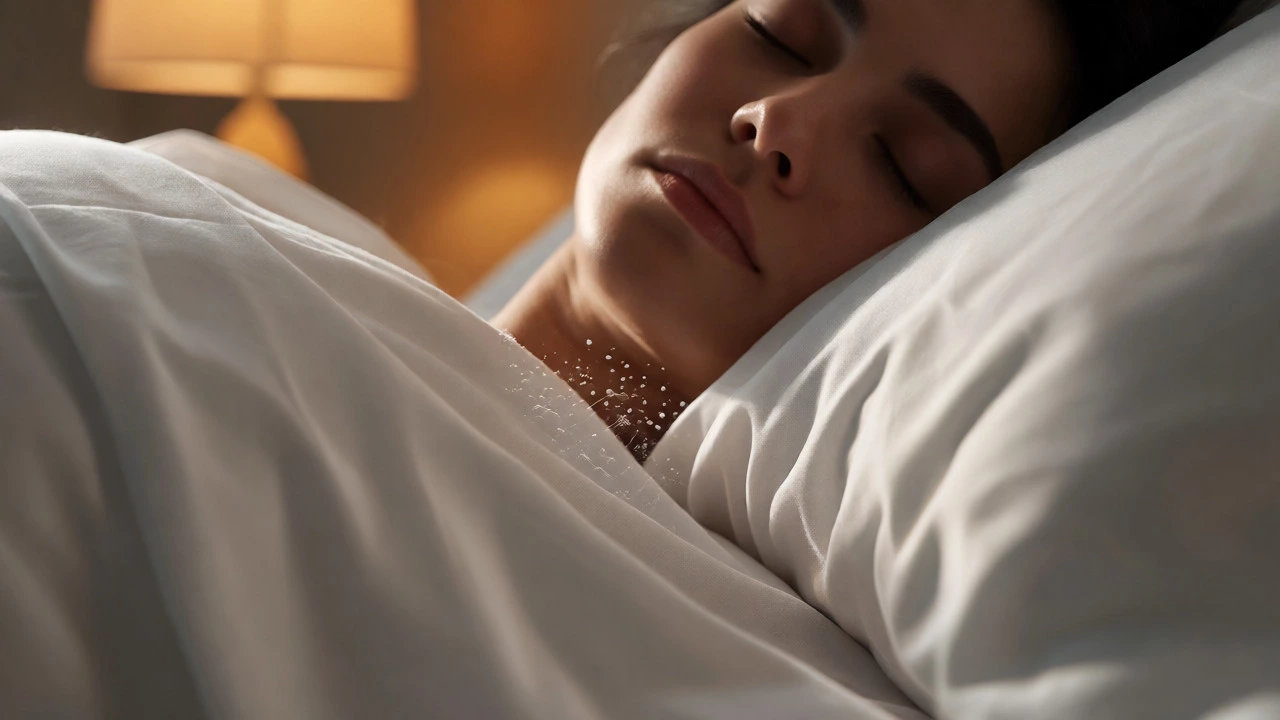
You spend roughly a third of your life in bed. That’s about eight hours every night, totaling nearly three decades if you live to eighty. So why do most people pick their bedding based on what looks cute in the store or which color matches the rug? We treat our mattresses like investments but often ignore the fabric touching our skin for eight straight hours. The truth is, the material between you and your mattress matters more than you think. It affects your temperature, your skin health, and even how deeply you sleep.
There is no single "healthiest" blanket that works for everyone. Your ideal setup depends on whether you run hot, have allergies, or suffer from sensitive skin. But there are clear winners when we look at breathability, chemical safety, and allergen resistance. Let’s break down what actually works, cutting through the marketing fluff about "luxury" and "royal comfort."
The Problem with Conventional Fabrics
Most standard bedsheets sold at big-box stores are made from conventional cotton or polyester blends. While they feel soft initially, they come with hidden downsides. Conventional cotton farming uses heavy pesticides. Even after washing, trace residues can remain, potentially irritating sensitive skin. Then there’s the finishing process. Many manufacturers apply formaldehyde-based resins to make sheets wrinkle-free. You know that crisp, never-wrinkle feeling? That’s often chemistry, not nature.
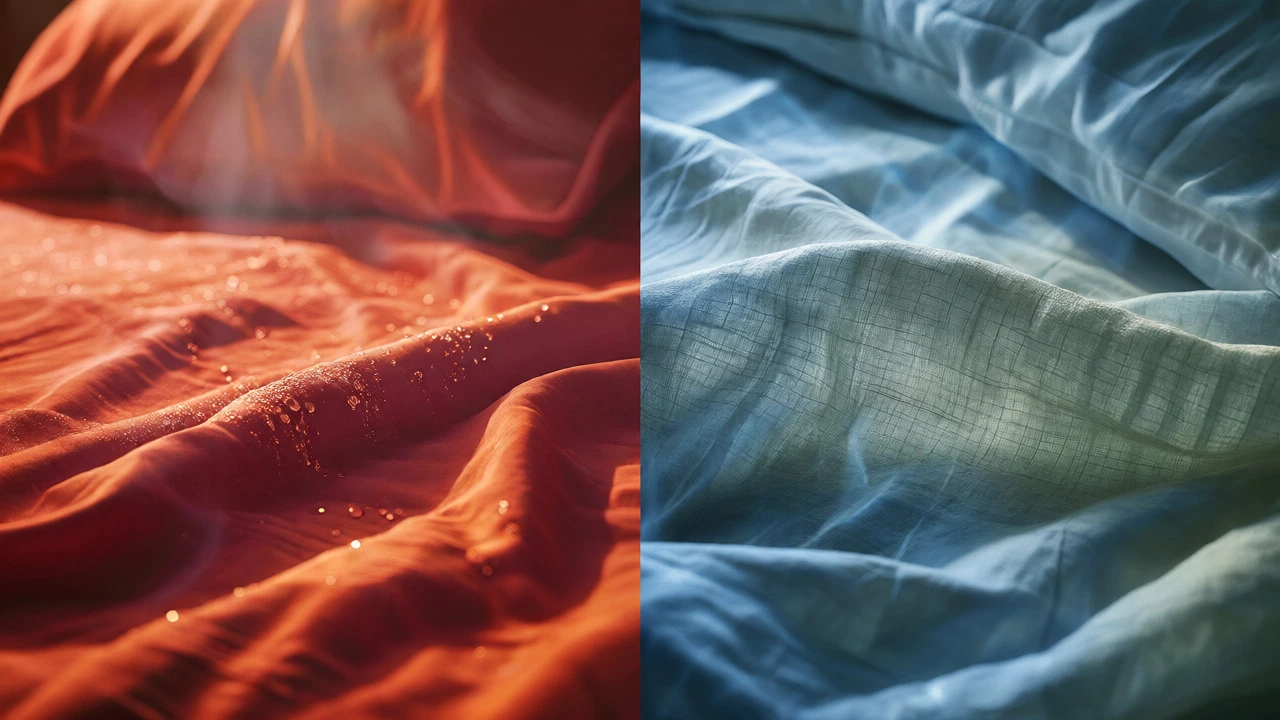
Polyester, the other common culprit, is essentially plastic. It traps heat against your body. If you wake up sweaty and sticky, polyester is likely the reason. Sweat creates a humid microclimate under the covers, which is exactly where dust mites thrive. Dust mites feed on dead skin cells, and their waste is a major trigger for asthma and eczema. So, by choosing synthetic fabrics, you might be inadvertently creating a breeding ground for allergens right next to your nose.
Natural Fibers: Cotton vs. Bamboo vs. Linen
When looking for healthier options, natural fibers are usually the best bet. But not all natural fibers are created equal. Here is how the top contenders stack up.
| Material | Breathability | Allergen Resistance | Sustainability | Best For |
|---|---|---|---|---|
| Organic Cotton | High | Good (if GOTS certified) | High (water-intensive) | Hot sleepers, sensitive skin |
| Bamboo Lyocell | Very High | Excellent (antimicrobial) | Moderate (chemical processing varies) | Cold feet, night sweats |
| Linen | Extreme | Good (repels dust mites) | High (low water/pesticides) | Hot climates, durability seekers |
| Wool | Thermoregulating | Excellent (dust mite resistant) | Moderate | Cold climates, arthritis pain |
Organic Cotton is the gold standard for many. Unlike conventional cotton, it’s grown without synthetic pesticides or fertilizers. Look for the Global Organic Textile Standard (GOTS) label. This certification ensures that the entire supply chain, from seed to sewn sheet, meets strict environmental and social criteria. It also guarantees that harmful chemicals like azo dyes and formaldehyde aren’t used in processing. If you have eczema or contact dermatitis, organic cotton is often the safest starting point because it minimizes chemical exposure.
Bamboo has gotten a bad rap recently, but let’s clarify something important. Most "bamboo" sheets are actually bamboo viscose or rayon. The manufacturing process involves dissolving bamboo pulp in strong chemicals like sodium hydroxide and carbon disulfide. These chemicals can be toxic if not managed properly. However, newer processes like TENCEL™ Lyocell use closed-loop systems that recycle solvents. If you choose bamboo, look for "Lyocell" or "TENCEL" specifically. These fabrics are incredibly soft, wick moisture away from the body better than cotton, and have natural antimicrobial properties that resist odor and bacteria.
Linen, made from flax plants, is arguably the most sustainable option. Flax requires little water and no irrigation in many regions. Linen is highly breathable due to its hollow fiber structure, allowing air to circulate freely. It’s also naturally antibacterial and repels dust mites. The downside? It wrinkles easily and feels rougher until broken in. But if you don’t mind a rustic look, linen lasts for decades and gets softer with every wash.
The Thread Count Myth
You’ve probably heard that higher thread count equals better quality. Marketing teams love this metric because it’s easy to quantify. A box claiming "1000 Thread Count" sounds impressive compared to "300 Thread Count." But here’s the catch: manufacturers often cheat. They twist multiple thin threads together to create one thicker thread, artificially inflating the count. Or they use ultra-fine, low-quality fibers that pack tightly but lack durability.
For health-conscious sleepers, thread count isn’t the primary concern-fabric weight and weave are. A percale weave (one-over-one-under) offers crisp coolness and maximum airflow, ideal for hot sleepers. A sateen weave (one-under-three-over) feels silkier but traps more heat. Aim for a thread count between 200 and 400 for cotton. Anything above 600 often means lower quality fibers or misleading marketing. Focus on the hand-feel and breathability instead of the number on the package.
Pillows and Mattress Protectors Matter Too
Your sheets are only half the equation. Your pillow supports your neck, and your mattress protector shields you from deep-seated allergens. Memory foam pillows contain volatile organic compounds (VOCs). When you buy a new memory foam pillow, it often has a distinct chemical smell. This is off-gassing. While levels vary, prolonged exposure to VOCs during sleep can cause headaches or respiratory irritation in sensitive individuals. Latex pillows are a healthier alternative. Natural latex is derived from rubber tree sap and is naturally resistant to mold, mildew, and dust mites. It doesn’t off-gas significantly and provides excellent support without the chemical baggage.
If you stick with memory foam, ensure it’s CertiPUR-US® certified. This standard limits emissions of VOCs, ozone depleters, and heavy metals. For feather pillows, ensure they are thoroughly washed and sterilized, as old feathers can harbor dust mites and mold spores. Down alternatives made from recycled polyester are hypoallergenic but may trap heat, so pair them with breathable cases.
Don’t forget the mattress itself. Over time, mattresses accumulate sweat, dead skin, and dust mites. A high-quality, zippered mattress encasement acts as a barrier. Look for ones labeled "allergen barrier" or "mite-proof." These are typically made from tightly woven microfiber or polyethylene membranes that allow air through but block particles larger than 10 microns. Washing these encasements regularly helps reset your sleep environment.
How to Wash for Maximum Hygiene
Even the healthiest bedding becomes unhealthy if you don’t clean it properly. Dust mites die at temperatures above 130°F (54°C). If you wash your sheets in cold water, you’re removing dirt but leaving the mites alive. To truly sanitize, use hot water whenever the fabric care label allows. Organic cotton and linen generally tolerate hot washes well; bamboo lyocell may require cooler settings to prevent shrinking.
Detergent choice matters too. Many mainstream detergents contain fragrances and optical brighteners that irritate skin. Switch to fragrance-free, dye-free liquid detergents. Add a half-cup of white vinegar to the rinse cycle. Vinegar acts as a natural fabric softener, removes detergent residue, and helps kill bacteria. Skip the dryer sheets-they coat fabrics in fatty acids and synthetic fragrances, reducing absorbency and adding potential irritants. Instead, use wool dryer balls to soften clothes and reduce static.
Making the Switch: A Step-by-Step Plan
You don’t need to replace everything overnight. Start with the items closest to your face and body. Follow this priority list:
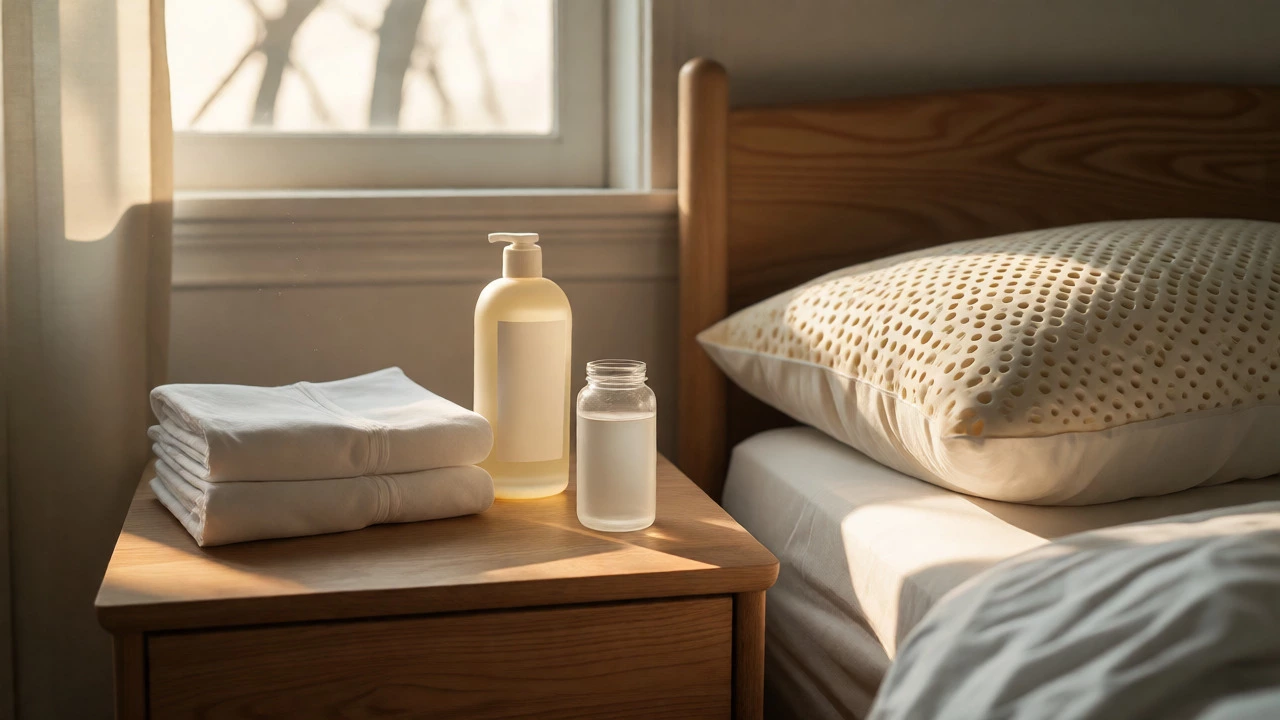
- Week 1: Pillowcases. Change to organic cotton or bamboo lyocell pillowcases. This directly impacts facial skin health and reduces acne triggers.
- Week 2: Sheets. Invest in a set of GOTS-certified organic cotton percale or linen sheets. Prioritize breathability over thread count.
- Month 1: Pillows. Replace old pillows (over 2 years old) with natural latex or CertiPUR-US® memory foam.
- Month 2: Mattress Protector. Add a zippered, breathable allergen barrier to your mattress.
This gradual approach prevents sticker shock and lets you adjust to different textures. Notice how your skin reacts and how your sleep quality changes. Keep a simple log: note any morning congestion, skin irritation, or night sweats. Within a month, most people report clearer skin and fewer allergy symptoms.
Common Pitfalls to Avoid
Beware of "greenwashing." Terms like "eco-friendly," "natural," and "bio" are unregulated. A sheet can claim to be "made from bamboo" but still undergo harsh chemical processing. Always check for specific certifications: GOTS for organic materials, OEKO-TEX Standard 100 for absence of harmful substances, and FSC for sustainable sourcing. If a brand can’t show proof, be skeptical.
Also, avoid waterproof mattress protectors made from vinyl or PVC. While they stop spills, they also stop air. Sleeping on plastic leads to sweating, which defeats the purpose of using breathable sheets. Choose membrane-based protectors (like PUL or TPU) that are waterproof yet breathable.
Is bamboo bedding really eco-friendly?
It depends on the processing method. Bamboo viscose/rayon often uses harsh chemicals like carbon disulfide, which can pollute local waterways. However, bamboo lyocell (often branded as TENCEL™) uses a closed-loop process that recycles up to 99% of solvents, making it much more environmentally friendly. Always look for "lyocell" or specific sustainability certifications rather than just the word "bamboo."
Do I need expensive organic sheets?
Not necessarily. Expensive doesn't always mean healthier. Some mid-range brands use OEKO-TEX certified conventional cotton, which is free from harmful chemicals but not organically grown. If budget is tight, prioritize OEKO-TEX certification over "organic" labels. It ensures the final product is safe for your skin, even if the farming practices weren't fully organic.
How often should I replace my bedding?
Sheets and pillowcases should be replaced every 1-2 years depending on wear. Pillows need replacing every 1-2 years as they lose support and accumulate allergens. Mattresses last 7-10 years. Regular washing extends the life of linens, but once fibers break down and become pilled or thin, they trap more dirt and lose breathability.
Are satin sheets healthy for hair and skin?
Silk satin is great for reducing friction, which helps prevent hair breakage and sleep lines on the face. However, synthetic satin (polyester) traps heat. If you want the benefits for hair and skin without overheating, choose mulberry silk or bamboo-derived satin. These materials offer smoothness while maintaining better temperature regulation than polyester.
What is the best bedding for night sweats?
Percale cotton or linen are top choices because they allow maximum airflow. Bamboo lyocell is also excellent due to its superior moisture-wicking properties-it pulls sweat away from the skin faster than cotton. Avoid polyester, microfiber, and heavy flannel, as these trap heat and moisture against the body.