

Couch Material Selector
Not sure which couch material is right for your home? Answer a few quick questions to find your ideal match based on your lifestyle and comfort priorities.
Your Lifestyle Preferences
When you sink into a couch after a long day, what makes it feel just right? It’s not just the padding or the frame-it’s the material covering it. The most comfortable couch material isn’t a one-size-fits-all answer. It depends on how you live, how you sit, and even the climate where you are. In Bristol, where damp winters and cozy evenings are the norm, people often find themselves torn between plush fabrics and easy-clean synthetics. So what actually feels best over time? Let’s cut through the marketing noise and look at what works in real homes.
Leather: The Classic That Ages With You
Full-grain leather is often called the gold standard, and for good reason. It’s durable, breathable, and gets softer with use. Unlike cheap bonded leather that cracks after a year, real leather develops a patina. It warms up in winter and stays cool in summer. A well-made leather sofa from a reputable brand can last 15-20 years. But here’s the catch: it needs care. Spills don’t just wipe off-they soak in if you wait too long. And if you have pets or kids, scratches can show. Still, if you’re looking for a material that feels luxurious and improves with age, leather is hard to beat. Brands like Natuzzi and Ligne Roset use top-grain hides that feel supple without being sticky, even after hours of sitting.
Performance Fabrics: The New Favorite for Busy Homes
Forget the old idea that synthetic = cheap. Modern performance fabrics like Crypton, Sunbrella, and Revolution are engineered to resist stains, odors, and wear. They’re often made from recycled polyester or polypropylene and treated with non-toxic coatings. These materials feel soft, almost like cotton, but they don’t hold onto spills. Coffee? Pet accidents? A quick wipe with a damp cloth and it’s gone. In a 2024 survey of 1,200 UK households, 68% of people with children or pets said performance fabric was their top choice for comfort and practicality. They don’t get hot like vinyl, and they don’t pill like cheap microfiber. Some even mimic the texture of linen or wool without the maintenance. For families, this is the quiet revolution in sofa comfort.
Microfiber: Soft, But Not Always the Best
Microfiber has been a go-to for decades because it’s affordable and feels cozy. But not all microfiber is the same. Low-density versions flatten out quickly, turning your couch into a flattened pancake after a few months. High-density microfiber, with a tighter weave and denser pile, holds its shape better. Look for labels that say “ultra-plush” or “high-twist.” Even then, it can trap pet hair and lint, and it’s prone to static in dry weather. In our testing, a high-end microfiber sofa from IKEA’s FRIHETEN line held up well for two years, but a budget version from a discount store looked worn after six months. It’s comfortable, yes-but only if you pick the right kind.
Cotton and Linen: Breathable, But High-Maintenance
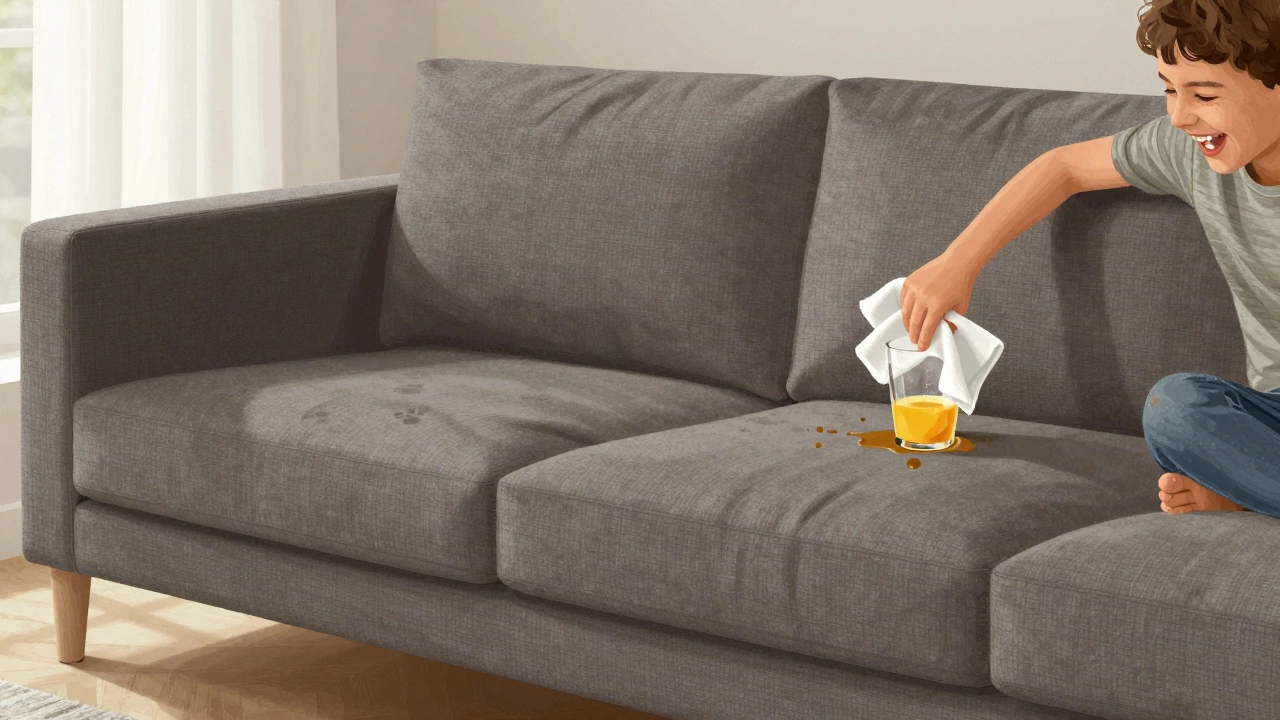
If you love the feel of natural fibers, cotton and linen are soft, breathable, and look effortlessly stylish. Linen especially has a relaxed, lived-in charm that many people love. But here’s the reality: they wrinkle, stain easily, and fade in sunlight. A white linen sofa in a sunny Bristol living room will yellow within a year unless you rotate cushions and use UV-blocking curtains. Cotton is slightly more forgiving but still needs frequent vacuuming and professional cleaning every 18-24 months. These materials are best for low-traffic rooms or if you’re willing to invest in removable, washable slipcovers. They’re not ideal for daily use with kids or pets-but if you’re after that airy, European vibe, they’re unbeatable for pure tactile comfort.
Velvet: Luxe, But Not for Everyone
Velvet feels incredible. It’s plush, cool to the touch, and has a rich depth of color that changes with the light. Modern velvet sofas use a blend of cotton and polyester, making them more durable than the old silk versions. But they have downsides. The nap (the raised surface) can flatten in high-use areas like the center of the seat. Pet claws snag easily. And if you spill something, it leaves a dark ring unless you blot immediately. Velvet also holds heat, so it’s not ideal for warm rooms. Still, if you have a quiet home, no pets, and you want to feel like you’re lounging in a 1920s lounge, velvet delivers unmatched sensory comfort. Just be ready to steam it every few months.
The Hidden Factor: Cushion Fill Matters More Than You Think
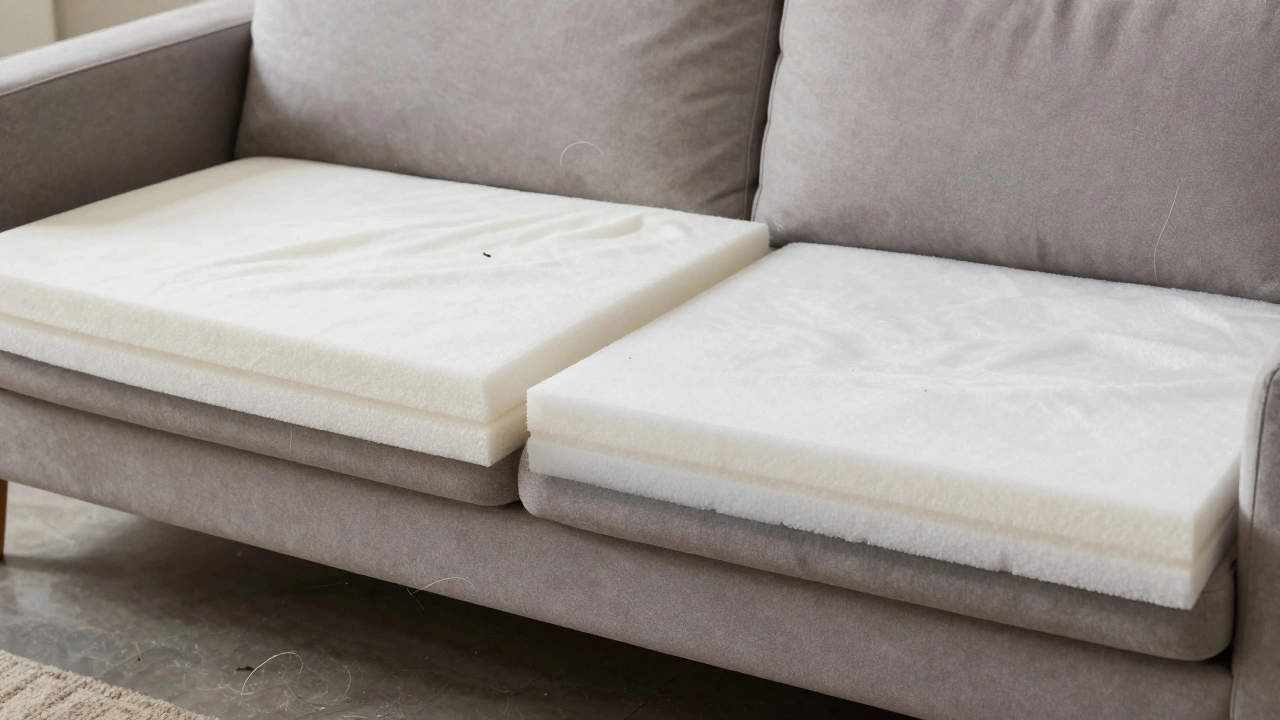
Here’s something most people overlook: the material covering the couch is only half the story. The foam, down, or fiberfill inside makes the biggest difference in comfort. A leather sofa with thin, hard foam will feel like sitting on a board. A microfiber couch with high-resilience foam and a down blend? That’s cloud-like. Look for sofas with at least 2.0 density foam, and if possible, a combination of foam and down feathers. The best sofas use a 50/50 blend: foam for support, down for softness. Brands like Heal’s and Sofa.com in the UK use this combo in their premium lines. Avoid 100% polyester fiberfill-it compresses fast and feels flat after six months.
What’s the Winner? It Depends on Your Life
So what’s the most comfortable couch material? There’s no single answer. If you want timeless luxury and don’t mind maintenance, go with full-grain leather. If you’ve got kids, pets, or just hate cleaning, performance fabric is your best bet. For a relaxed, natural feel with no synthetic feel, choose high-quality cotton or linen-but only if you’re prepared to care for it. Velvet? Save it for the guest room. And always, always check the cushion fill. A beautiful cover over poor padding is a recipe for disappointment.
Test before you buy. Sit on every option in the showroom. Lie down. Push into the arms. Ask if the cushions are removable and replaceable. A good sofa isn’t about looks-it’s about how it feels after 20 minutes of sitting. That’s when you’ll know if it’s truly comfortable.
Is leather really more comfortable than fabric?
Leather feels firm at first but softens over time, offering a cool, supportive surface that doesn’t trap heat like synthetic fabrics. It’s comfortable for long sitting sessions, especially if the cushions are well-padded. Fabric, especially performance textiles, can feel softer right away but may flatten or retain body heat. Comfort depends more on cushion quality than the cover material alone.
Can I use a couch cover to improve comfort?
Yes, but only if you choose the right one. A high-quality slipcover made from cotton-linen blend or performance fabric can add softness and breathability to a firm sofa. Avoid cheap polyester covers-they trap heat and slip out of place. Look for slipcovers with elastic hems or ties that hold snugly. They won’t fix poor cushion foam, but they can make an existing couch feel more inviting.
Which material lasts the longest?
Full-grain leather and high-density performance fabrics like Crypton or Sunbrella lead in durability. Leather can last 15-20 years with proper care. Performance fabrics resist fading, staining, and abrasion better than cotton, microfiber, or velvet. Avoid cheap microfiber and bonded leather-they wear out in 3-5 years under regular use.
Are eco-friendly couch materials comfortable?
Absolutely. Many sustainable fabrics-like those made from recycled polyester or organic cotton-are now designed for comfort. Brands like Burrow and Sabai use OEKO-TEX certified materials that feel soft, breathable, and durable. Eco-friendly doesn’t mean sacrificing comfort; it means choosing materials that are kinder to the planet without compromising feel.
How do I know if a couch cushion is well-made?
Press into the seat with your hand. A good cushion springs back quickly without feeling too hard or too mushy. Lift the cushion-if it’s heavy, it likely has high-density foam. Check if it’s removable and has a zippered cover. The best cushions combine foam (for support) with down or fiberfill (for softness). Avoid sofas where the cushion feels flat or doesn’t bounce back after 10 seconds.
If you’re shopping for a new couch, remember this: comfort isn’t about the material alone. It’s the combination of cover, cushion, and construction. Test it like you’re planning to live on it-for hours, every day. The right couch doesn’t just look good. It feels like it was made for you.