
Luxury Rug Material Finder
Answer three quick questions to find the perfect luxury material for your space.
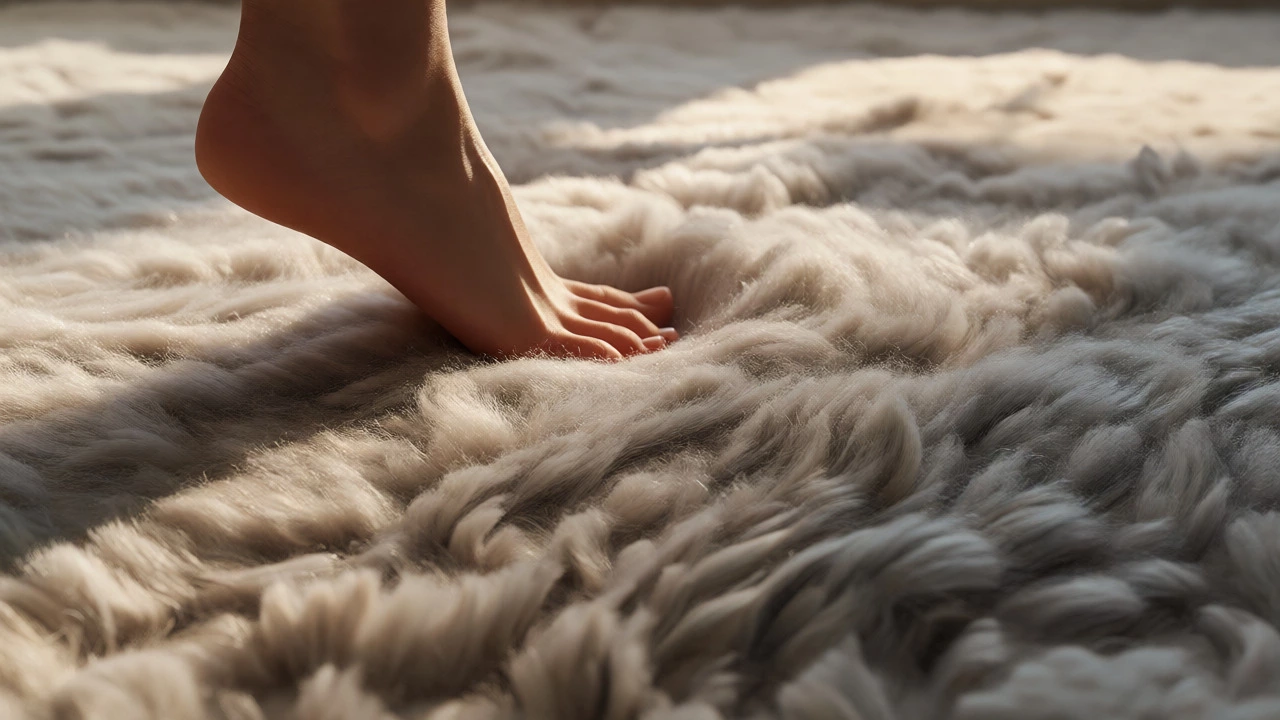
You walk into a room, and your feet know before your eyes do. There is a specific sensation when you step onto a luxury rug that separates it from the mass-produced options lining big-box store aisles. It’s not just about softness; it’s about density, sheen, and how the fibers react to light and pressure. But if you’re asking what the absolute peak of luxury is, the answer isn’t a single material. It depends on whether you value durability, visual depth, or tactile purity.
Most people assume silk is the winner because it shines. That’s true, but it’s also fragile. Others swear by cashmere for its cloud-like feel underfoot. Then there are rare wools like Vicuña or Qashqai wool that cost more per square foot than some cars. To help you decide which material fits your lifestyle and budget, we need to break down the contenders based on actual performance, care requirements, and aesthetic impact.
Silk: The Visual Powerhouse
Silk is widely considered the most luxurious material for rugs in terms of visual appeal. When woven into a hand-knotted carpet, silk reflects light differently than any other fiber. This creates a "luminous" effect where the colors seem to change depending on the angle of the sun or the position of your lamps. This phenomenon, often called "abrash" in traditional weaving, gives the rug a three-dimensional quality that flat-weave cotton or synthetic blends simply cannot match.
However, silk comes with a major caveat: it hates moisture and direct sunlight. If you spill red wine on a silk rug, you have minutes, not hours, to act. Furthermore, UV rays can degrade silk fibers over time, causing them to become brittle and yellow. So, while silk is the most beautiful, it is rarely the most practical for high-traffic areas like hallways or dining rooms. It belongs in low-traffic spaces like bedrooms, studies, or formal living rooms where it can be admired without being abused.
| Material | Luxury Level | Durability | Care Difficulty | Best For |
|---|---|---|---|---|
| Silk | Very High | Low-Medium | High | Display, Low Traffic |
| Cashmere | Very High | Medium | Medium-High | Bedrooms, Comfort Focus |
| Vicuña | Extreme | Medium | High | Collector Pieces |
| Kashmiri Pashmina | High | Medium | Medium | Soft Underfoot Areas |
| Qashqai Wool | High | Very High | Low | Living Rooms, Durability |
Cashmere and Pashmina: The Tactile King
If silk wins on looks, Cashmere wins on touch. Specifically, we are talking about fine-grade cashmere derived from the undercoat of the Capra hircus goat. In the rug world, this is often labeled as Pashmina or Kashmiri wool. The difference between standard wool and cashmere is micron count. Standard wool might be 20-30 microns thick. Cashmere is typically under 19 microns. This microscopic difference translates to a surface that feels incredibly smooth and dense.
A pure cashmere rug is heavy. Don’t let the delicate name fool you; these rugs require significant weight to stay flat and maintain their pile structure. They offer superior insulation, keeping your feet warm in winter without feeling stifling in summer. However, cashmere sheds initially. You will find tiny fibers on your floor for the first few months. This is normal. Regular vacuuming (with the beater bar off) helps settle the pile. Unlike silk, cashmere can handle moderate traffic, making it a viable option for master bedrooms or primary sitting areas.
The Ultra-Rare Tier: Vicuña and Camel Hair
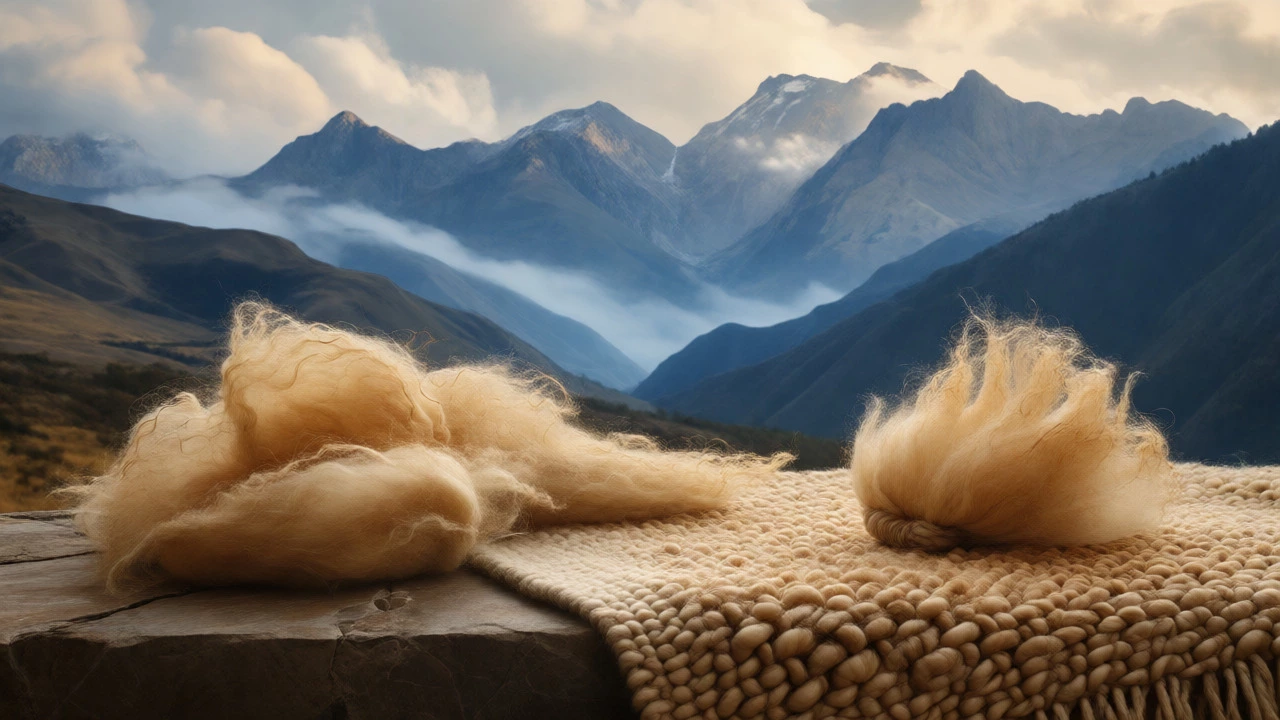
When money is no object, collectors look beyond cashmere to Vicuña. This fiber comes from a wild camelid native to the Andes mountains. Vicuña hair is finer than cashmere, measuring around 12-14 microns. Because the animals are protected and must be captured, shorn, and released alive, the supply is strictly limited. A Vicuña rug can cost tens of thousands of dollars for a small area.
Another ultra-luxury option is Camel Hair. While less common than Vicuña, camel hair rugs offer a unique golden hue and exceptional thermal regulation. They are naturally water-resistant due to lanolin content, which makes them slightly easier to clean than pure silk or cashmere. These materials are rarely found in mixed blends; they are usually sold as statement pieces for connoisseurs who view rugs as art rather than just flooring.

Why High-End Wool Still Dominates Luxury Spaces
You might wonder why designers still recommend wool for luxury homes if silk and cashmere exist. The answer lies in resilience. Not all wool is created equal. Qashqai Wool, sourced from nomadic tribes in Iran, is renowned for its long staple length and natural oils. These oils make the fiber stain-resistant and incredibly durable.
Similarly, New Zealand Merino offers a softer hand-feel than traditional sheep’s wool while maintaining structural integrity. In high-end interior design, a blend of silk and wool (often 80% wool, 20% silk) is frequently used. This hybrid approach captures the shine of silk and the durability of wool. It allows the rug to survive daily life while still looking expensive. If you want luxury that lasts twenty years without constant professional cleaning, high-grade wool blends are often the smarter financial choice.
Construction Matters More Than Fiber
Here is a hard truth: a cheaply made silk rug is worse than a well-made wool rug. The term "luxurious" applies to the entire package, not just the raw material. Look for Hand-Knotted construction. Machine-made rugs, even those using real silk, lack the density and irregular charm of hand-tied knots. Check the knot count. A high-quality luxury rug should have at least 150-200 knots per square inch (KPSI). Masterpieces can exceed 500 KPSI.
Also, inspect the backing. Luxury rugs should not have rubber backings glued on, as this traps moisture and degrades natural fibers over time. Instead, they should be finished with a cotton or linen fringe and a sturdy selvedge edge. If the rug smells strongly of chemicals, avoid it. Authentic luxury rugs smell faintly of lanolin or earth, not industrial adhesives.
Maintenance: Protecting Your Investment
Owning a luxury rug changes your cleaning habits. You cannot use standard steam cleaners on silk or Vicuña. Heat and agitation destroy the protein structure of these fibers. For silk, blot spills immediately with a white cloth and cold water. Never rub. For cashmere and wool, use a dry foam cleaner specifically designed for natural fibers.
- Rotate Quarterly: Sunlight fades rugs unevenly. Rotate your rug 180 degrees every three months to ensure even wear and fading.
- Use Felt Pads: Furniture legs dent luxury piles permanently. Place felt pads under all furniture legs touching the rug.
- Professional Cleaning Only: Do not attempt deep cleaning yourself. Hire specialists who understand protein-based fibers. Improper pH balance in cleaning solutions can cause silk to dissolve.
Consider applying a fabric protector spray like Scotchgard, but test it in an inconspicuous corner first. Some protectors can alter the texture of very fine cashmere, making it feel stiff. Always consult your vendor before applying chemical treatments.
Choosing the Right Material for Your Room
How do you decide? Start with the room’s function. If it’s a bedroom where you walk barefoot, prioritize tactile comfort. Go for cashmere or a high-knot-count wool blend. If it’s a formal living room where guests sit and admire the decor, prioritize visual impact. Choose silk or a silk-blend for that reflective glow.
For high-traffic areas like entryways or family rooms, avoid pure silk and Vicuña. Stick to high-grade Qashqai or Tibetan wool. These materials hide dirt better and withstand abrasion. Remember, a rug that looks worn out after two years isn’t luxurious-it’s frustrating. Match the material’s durability to your household’s activity level.
Is silk or cashmere more expensive?
Generally, pure silk rugs are more expensive than cashmere due to the labor-intensive harvesting of silk threads and the difficulty of weaving them. However, rare Vicuña rugs surpass both in price. Within standard luxury markets, high-knot-count silk often commands a higher premium than cashmere of similar size.
Do luxury rugs shed?
Yes, especially new ones. Cashmere and wool shed excess fibers during the first few months. This is a sign of natural fibers, not poor quality. Silk sheds very little. Regular vacuuming with a suction-only setting (no beater bar) manages shedding effectively.
Can I put a luxury rug in a bathroom?
It is risky. Humidity can promote mold growth in natural fibers, and water stains are difficult to remove from silk. If you must, choose a tightly woven wool rug and ensure excellent ventilation. Avoid placing silk or cashmere rugs in bathrooms unless they are purely decorative and rarely exposed to splashes.
How do I identify fake silk rugs?
Real silk has a cool, smooth feel and a subtle luster that changes with light. Fake silk (often rayon or polyester) feels slippery and plastic-like, and the shine appears uniform and harsh. Burn tests are definitive: real silk burns slowly with a smell of burnt hair, while synthetics melt and smell like chemicals.
Are handmade rugs worth the investment?
Yes, if maintained properly. Handmade rugs retain value better than machine-made ones and can last generations. They add acoustic dampening, thermal insulation, and aesthetic depth to a home. Treat them as heirlooms rather than disposable decor.