
Ancient Cookware Explorer
Select a material below to explore its historical context, primary uses, and limitations as described in archaeological records.
Click on a material from the list to view detailed information about its historical significance, usage, and drawbacks.
Imagine trying to boil water without a metal pot. No stainless steel, no non-stick coating, not even cast iron. For most of human history, this wasn't just a hypothetical-it was reality. The quest to find the oldest cookware takes us back tens of thousands of years, long before humans built cities or wrote down their names. It’s a story about survival, ingenuity, and the moment we stopped eating raw food and started truly cooking.
You might think the answer is simple: a rock. But while heated stones were used for boiling, they weren’t containers. The real breakthrough came when someone figured out how to shape earth into something that could hold heat and liquid. That innovation changed our biology. Cooking made nutrients easier to absorb, which fueled brain growth. So, when we ask what the oldest cookware is, we’re really asking about the tool that helped make us human.
The Clay Revolution: Pottery as the First Container
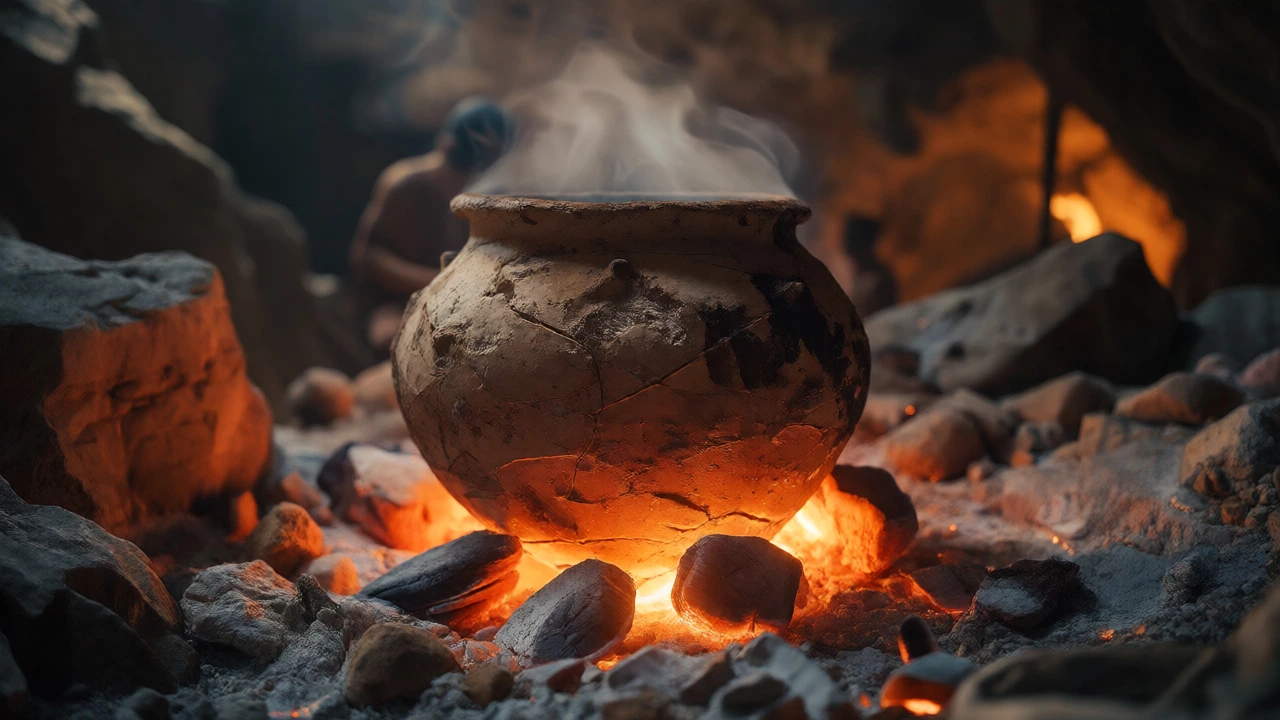
The undisputed champion of ancient kitchenware is pottery, specifically fired clay vessels designed for storage and cooking. Before pottery, humans used animal skins, woven baskets coated in pitch, or hollowed-out gourds. These materials burned easily or leaked. Clay, however, could withstand direct fire if fired correctly.
The earliest known examples come from East Asia. Archaeologists discovered fragments of ceramic pots in the Xianrendong Cave in China, dating back approximately 20,000 years. This predates agriculture by millennia. People weren’t farming yet, but they were already making durable containers to process wild foods like nuts, roots, and grains. These early pots were thick-walled and rough, clearly made for function over form. They sat directly on coals, absorbing heat slowly and evenly.
| Material | Approximate Age | Primary Use | Limitations |
|---|---|---|---|
| Fired Clay | ~20,000 years ago | Boiling, stewing, storage | Fragile, heavy, breaks easily |
| Stone Bowls | ~10,000-5,000 years ago | Mixing, serving, grinding | Poor heat conductor, cracks under thermal shock |
| Copper | ~7,000-5,000 years ago | High-heat cooking, melting | Toxic patina, soft metal, expensive |
| Bronze | ~3,300 years ago | Durable pots, ladles | Tin scarcity, requires alloying |
| Iron/Cast Iron | ~3,000 years ago (China), later elsewhere | Frying, searing, baking | Rusts quickly, very heavy |
Heated Stones: The Pre-Pottery Method
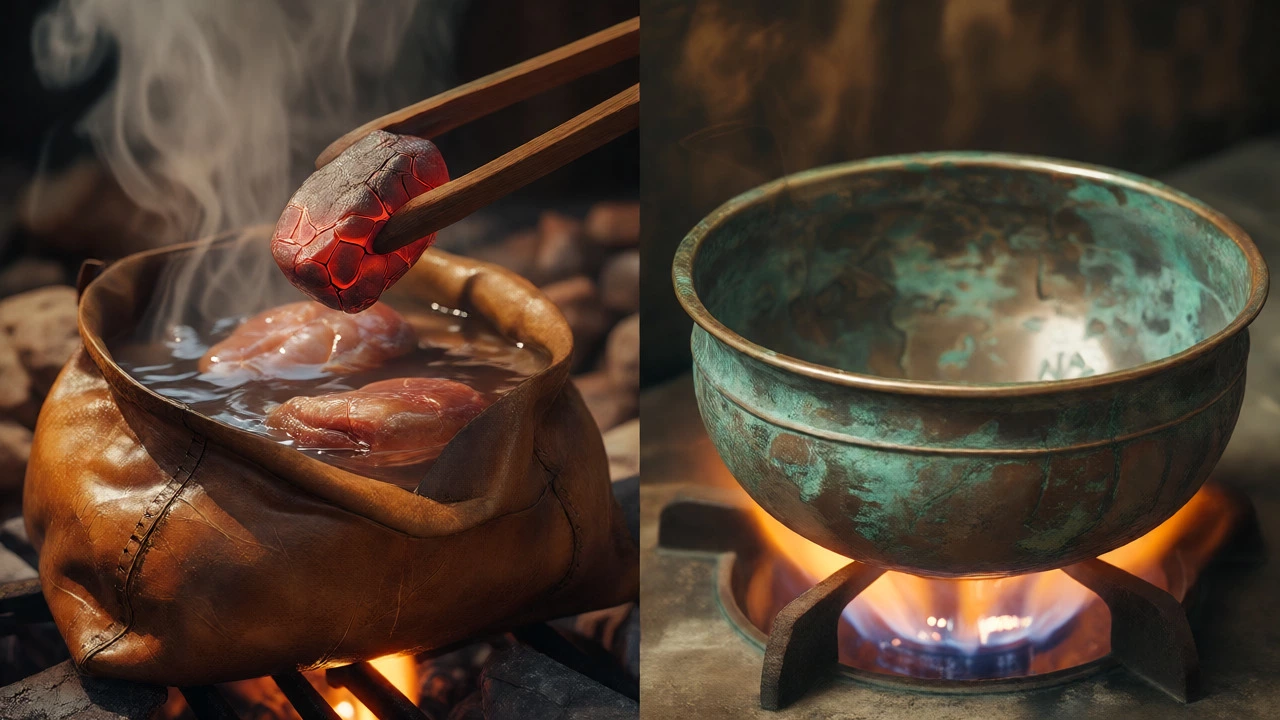
Before you had a clay pot, you had rocks. Technically, these aren’t "cookware" in the sense of a container, but they were essential cooking tools. The method involved heating stones in a fire until they glowed red-hot, then dropping them into a watertight container-like a wooden trough lined with bark or a leather bag filled with water and meat. The stones would sizzle, transfer heat, and eventually boil the contents. You’d remove the cooled stones and replace them with fresh hot ones until the food was cooked.
This technique, known as stone-boiling, left distinct marks on archaeology sites: cracked river stones found near ancient hearths. While effective, it was labor-intensive. You needed constant fuel to keep reheating stones, and you couldn’t stir the food easily. Once pottery arrived, it replaced this clumsy system almost immediately because it allowed for continuous, controlled heating.
From Earth to Metal: The Copper Transition
As humans mastered metallurgy, cookware evolved again. Around 7,000 years ago, in regions like the Middle East and Anatolia, people began shaping copper into small bowls and pans. Copper conducts heat incredibly well-far better than clay. This meant faster cooking times and more precise temperature control. However, early copper cookware had a major downside: toxicity. When exposed to air and acidic foods, copper develops a green patina (verdigris) that can cause nausea and liver damage if ingested in large amounts.
To combat this, ancient cooks often lined copper pots with tin or silver, creating an early version of non-stick technology. Tin melts at a low temperature, so these pots weren’t ideal for high-heat frying, but they were perfect for simmering sauces and soups. The transition from clay to metal marked a shift from communal, slow-cooked stews to more individualized meals prepared over higher flames.
The Iron Age and Cast Iron Dominance
Iron changed everything. Unlike copper, iron is abundant and relatively cheap once smelting techniques advanced. By the late Bronze Age and early Iron Age, cultures across Europe, Africa, and Asia began forging iron into cooking implements. In China, cast iron production dates back to the 5th century BCE, centuries before it became common in Europe. Chinese wok makers developed thin, lightweight iron woks that distributed heat rapidly, allowing for stir-frying-a technique that saved fuel by cooking food in minutes rather than hours.
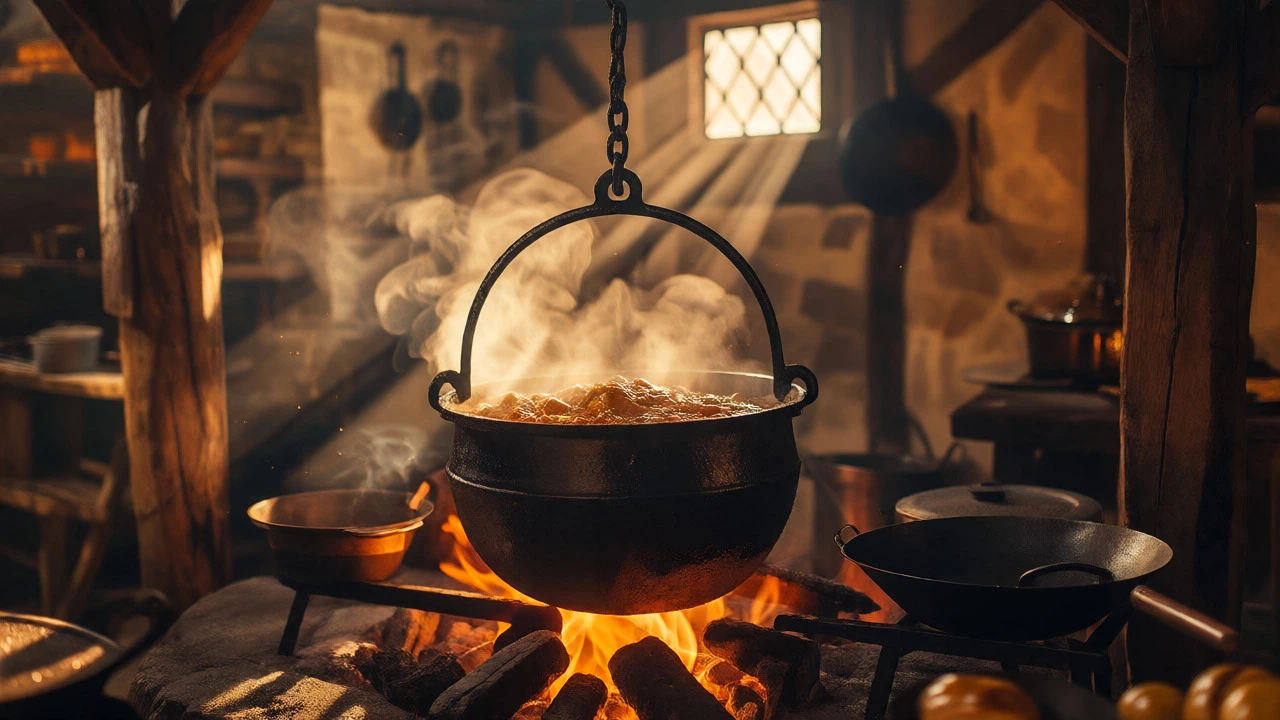
In Europe, cast iron pots became staples in medieval kitchens. These heavy cauldrons hung over open fires, simmering pottages (thick soups) for days. Because cast iron retains heat so effectively, it kept food warm long after the fire died down. It also seasoned naturally; repeated use created a polymerized oil layer that prevented rust and added flavor. This is why modern enthusiasts still swear by vintage cast iron skillets-they carry the chemical memory of decades of cooking.
Why Clay Still Matters Today
You might wonder why we care about 20,000-year-old pots when we have microwave-safe glass and induction-ready steel. The reason is performance. Modern chefs are rediscovering the benefits of ancient materials. Tagines, the conical clay pots from North Africa, work on the same principle as those Xianrendong cave fragments: gentle, radiant heat that keeps moisture inside. Similarly, Dutch ovens (often enameled cast iron) mimic the thermal mass of thick clay walls.
There’s also a sustainability angle. Fired clay is inert, recyclable, and free of synthetic chemicals. If you break a ceramic pot today, you can crush it back into soil. Break a Teflon pan, and you’re dealing with plastic waste. The oldest cookware isn’t just a museum piece; it’s a blueprint for efficient, healthy cooking that modern science is only now fully validating.
Common Misconceptions About Ancient Kitchens
Pop culture gets ancient kitchens wrong all the time. Movies show kings feasting on roasted meats in gleaming gold platters while peasants eat gruel in crude buckets. Reality was messier. Most ancient people didn’t have separate "cooking" and "eating" vessels. The pot you boiled your grain in was likely the bowl you ate from. Hygiene standards were different, too. Scrubbing a porous clay pot with sand was the norm, not soap.
Another myth is that metal always replaced clay. It didn’t. In many cultures, clay remained the primary cooking vessel for millennia because it was cheaper and easier to repair. A broken clay pot could be patched with resin or simply re-fired. A cracked copper pot required skilled metalwork to fix. Economic realities kept clay relevant long after iron was available.
What was the very first material used for cooking?
The earliest evidence points to natural materials like leaves, bark, and animal stomachs used as makeshift containers for steaming or boiling. However, the first manufactured cookware was fired clay pottery, dating back roughly 20,000 years in China.
Did ancient people use metal pots?
Yes, but much later. Copper appeared around 7,000 years ago, followed by bronze and iron. For most of human history, clay was the dominant material for cooking vessels due to its availability and heat retention properties.
How did people cook before pots existed?
They used methods like roasting on spits, baking in ash pits, and stone-boiling. Stone-boiling involved dropping heated rocks into water-filled containers made of wood, skin, or bark to bring liquids to a boil.
Is clay cookware safe to use today?
Generally, yes. Modern clay cookware is usually lead-free and glazed properly. However, unglazed terracotta must be soaked before use to prevent cracking, and some antique pieces may contain lead in the glaze, so testing is recommended for vintage items.
Why did cast iron become popular?
Cast iron became popular because it is durable, retains heat exceptionally well, and can be repaired easily. Its ability to season (build up a natural non-stick layer) made it versatile for frying, baking, and stewing over open fires.