
Dinnerware Set Calculator
How Many Pieces Do You Need?
This calculator helps you determine the right number of dinnerware pieces for your household based on your specific needs.
Recommended Setup
Enter your information above to see your recommended dinnerware count.
Ever walked into a store looking for plates, bowls, and cups-and felt totally lost because everyone was using different words? You ask for dishes, they hand you a set of ceramic dinnerware. Someone else calls them tableware. And now you’re wondering: what’s the real, proper term?
The short answer? There isn’t just one. But there are clear, widely accepted distinctions-and knowing them saves you time, money, and confusion when shopping, organizing, or even just talking about your kitchen.
Dishes vs. Dinnerware vs. Tableware: What’s the Difference?
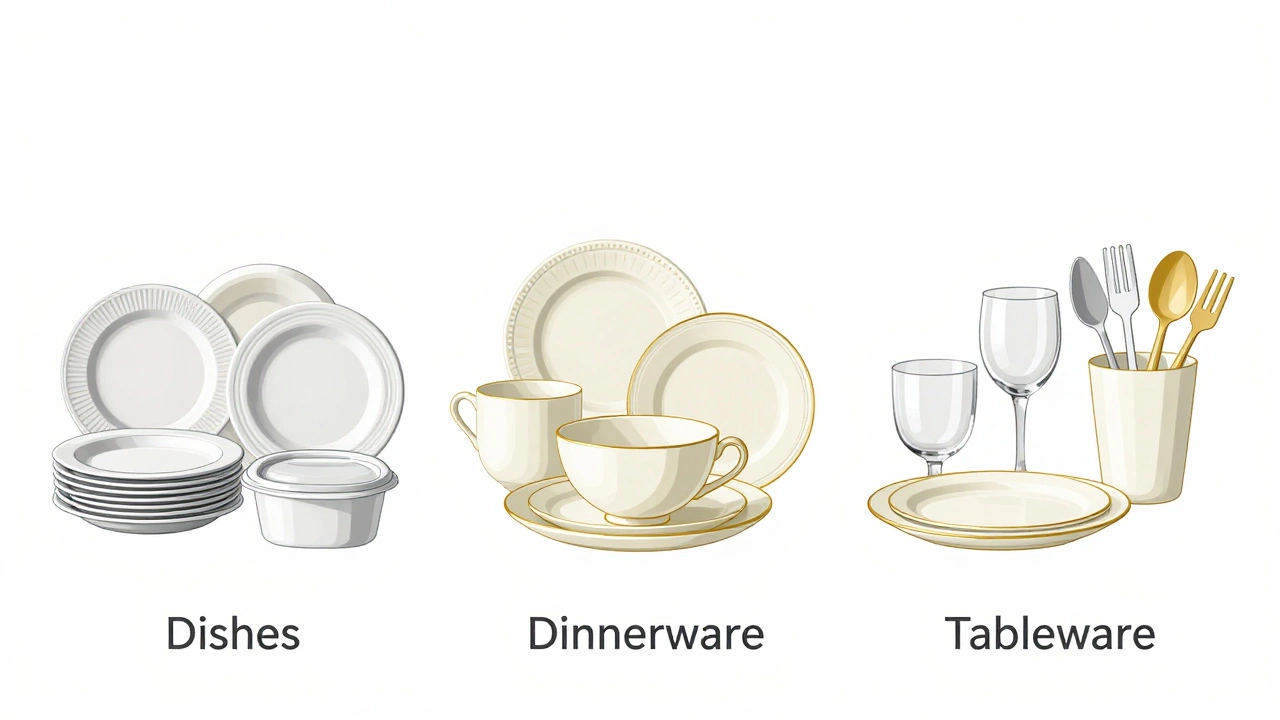
Let’s start with the most common mix-up: dishes. In everyday speech, people say "dishes" to mean anything you eat off-plates, bowls, mugs, even serving platters. But technically, "dishes" is a broad, informal term. It’s not wrong, but it’s not precise either.
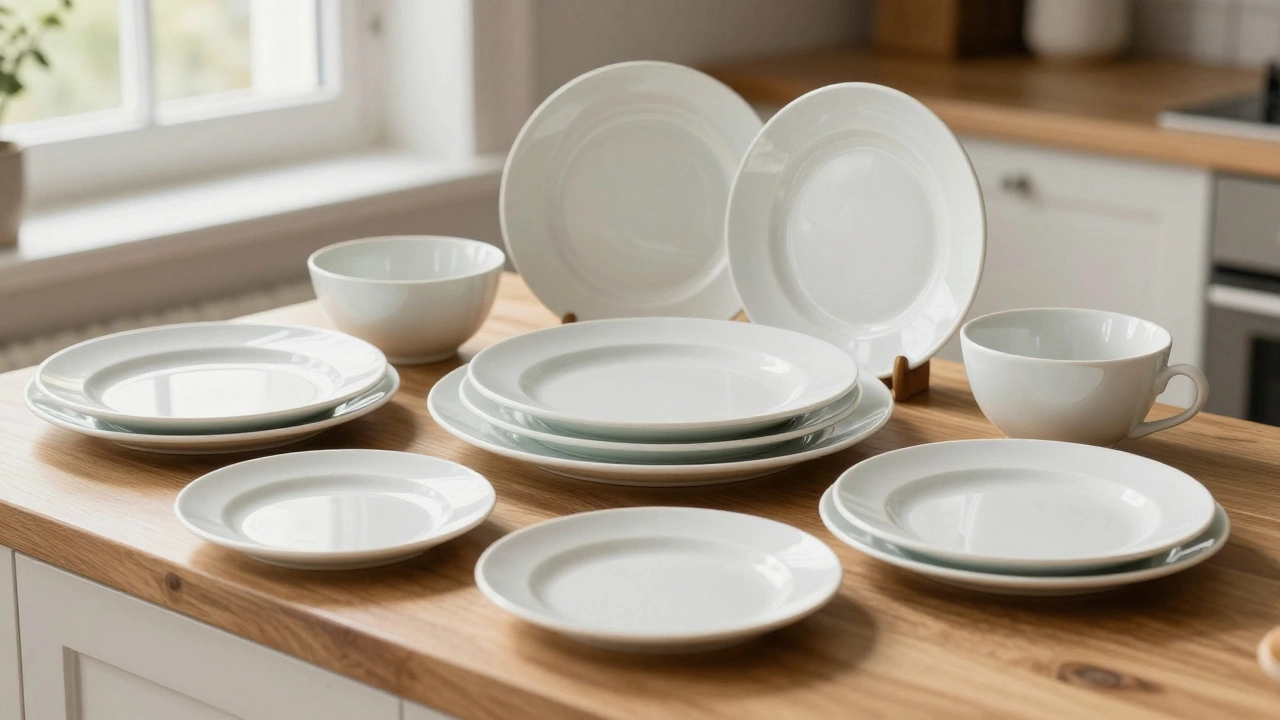
Dinnerware is the correct technical term for the set of items used to serve and eat individual meals. That includes plates (dinner, salad, dessert), bowls (soup, cereal), and sometimes cups or mugs if they’re part of the matching set. Dinnerware is usually made from ceramic, porcelain, stoneware, or melamine. It’s what you stack in the cupboard after washing.
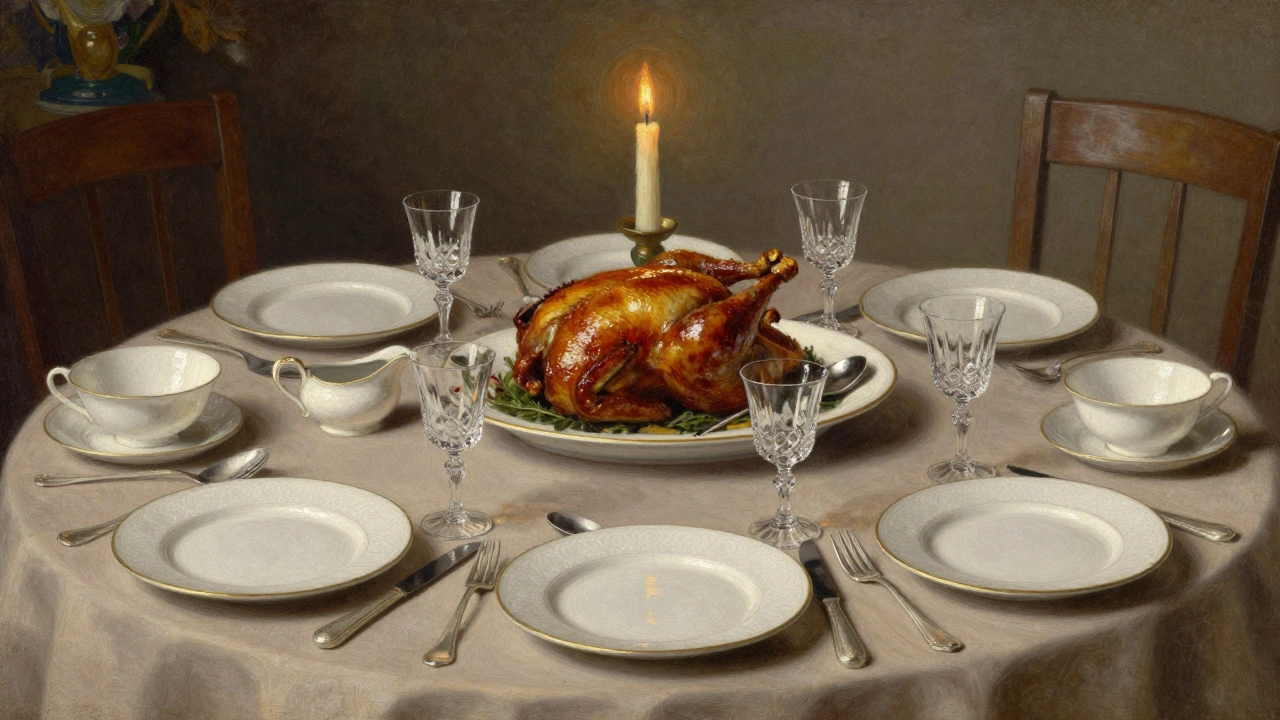
Then there’s tableware. This is the umbrella term that covers everything on the table during a meal. That includes dinnerware, but also flatware (forks, knives, spoons), glassware (water glasses, wine glasses), and serving pieces (platters, tongs, gravy boats). So if you’re setting a formal dinner, you’re arranging tableware. If you’re just loading the dishwasher, you’re handling dinnerware.
Think of it like this: dinnerware is a subset of tableware. And dishes? That’s what your grandma calls it when she says, "Hand me those dishes."
Why Does This Matter?
It matters because stores, manufacturers, and online retailers use these terms differently. If you search for "dishes" on Amazon, you’ll get everything from plastic kids’ plates to fine china. But if you search for "dinnerware set," you’ll get curated collections designed to match.
Real-world example: I once bought a "set of dishes" thinking it included bowls and mugs. Turns out, it was just eight plates. No bowls. No cups. Just plates. I was annoyed. The product description said "dishes," but the fine print listed only "plates." If I’d known the difference between dishes and dinnerware, I’d have searched for "4-piece dinnerware set" and saved myself a return.
Same thing happens with online listings. A seller might label a 16-piece set as "dishes," but it could include only plates and bowls-no mugs. Or they might call it "tableware," but forget to mention the spoons aren’t included. Precision saves headaches.
What’s Included in a Standard Dinnerware Set?
Most dinnerware sets sold today come in standard configurations. Here’s what you’ll typically find:
- Dinner plate (10-11 inches): The main plate for entrees
- Dessert plate (8-9 inches): For cake, fruit, or appetizers
- Soup bowl (7-8 inches): Deep enough for broth or cereal
- Cereal bowl (6-7 inches): Wider, shallower than soup bowls
- Cup and saucer (sometimes included): Especially in European or formal sets
Some sets add salad plates or bread plates. Others include serving dishes like platters or gravy boats. But unless it’s labeled "complete dinnerware set," assume it’s just the essentials.
When buying, always check the piece count. A "4-piece set" usually means one of each: dinner plate, salad plate, bowl, and cup. A "16-piece set" typically means four of each: four dinner plates, four salad plates, four bowls, four cups.
Material Matters Too
Dinnerware isn’t just about shape-it’s about material. And each has its own pros and cons:
- Porcelain: Thin, delicate, elegant. Often white or glazed. Great for formal meals. Not microwave-safe in all cases.
- Stoneware: Thick, durable, rustic. Holds heat well. Microwave and dishwasher safe. Best for everyday use.
- Earthenware: More porous. Often hand-painted. Not ideal for daily use-can chip or stain easily.
- Melamine: Plastic-based. Unbreakable. Great for kids, picnics, or outdoor dining. Not microwave-safe.
- Bone china: The premium choice. Contains bone ash. Lightweight, translucent, very strong. Expensive but long-lasting.
Most UK households use stoneware or porcelain for daily meals. Bone china is reserved for special occasions. Melamine is common in student flats or family homes with young children.
What About Serving Dishes and Utensils?
These fall under tableware, but not dinnerware. They’re not part of the individual meal setting-they’re shared.
Examples:
- Large serving platter
- Gravy boat
- Salad bowl
- Utensil set (serving spoons, tongs, ladles)
These are often sold separately or as part of a "complete tableware collection." If you’re setting up your first home, don’t skip these. You’ll need at least one large platter and a serving spoon. They’re not decorative-they’re functional.
Fun fact: In the UK, it’s common to serve roast dinner on a large platter, then pass around individual plates. That’s why most British homes have at least one large ceramic platter-often passed down through generations.
How to Talk About Your Kitchenware Like a Pro
Here’s how to use the terms correctly in conversation:
- "I need new dinnerware-my plates are chipped."
- "This set includes 16 pieces of dinnerware and two serving platters."
- "Don’t forget the tableware-we need knives, forks, and glasses too."
- "The kids broke all the dishes again." (Fine in casual speech)
When shopping online, use "dinnerware set" + material (e.g., "stoneware dinnerware set 16-piece") for accurate results. Avoid just typing "dishes." You’ll get flooded with irrelevant results.
Common Mistakes and How to Avoid Them
Here are the top three errors people make:
- Assuming "dishes" means a full set → Always check the product description for exact piece count and types.
- Buying matching mugs with dinnerware → Mugs aren’t always included. If you want them, buy them separately or look for "dinnerware + mug set."
- Confusing tableware with dinnerware → If you’re setting the table, you need both. Dinnerware is what you eat from. Tableware is everything on the table.
Pro tip: When you buy a dinnerware set, keep the box. Many manufacturers include replacement pieces for sale. If you break a plate in five years, you can order just one-no need to replace the whole set.
Final Takeaway: Use the Right Word for the Right Situation
You don’t need to sound like a catalog writer every time you talk about your kitchen. But knowing the difference between dishes, dinnerware, and tableware helps you communicate clearly-whether you’re shopping, hosting, or just tidying up after dinner.
So next time someone asks, "What’s the proper term for dishes?"-you can say: "It depends. If you mean what you eat off of? That’s dinnerware. If you mean everything on the table? That’s tableware. And if you’re just cleaning up after the kids? Then yes-those are dishes."
Is "dishes" the same as "dinnerware"?
No. "Dishes" is a casual, general term people use for plates, bowls, and cups. "Dinnerware" is the correct technical term for the set of items used to serve and eat individual meals. So while all dinnerware can be called dishes, not all dishes are technically dinnerware-like a plastic takeaway container.
What’s included in a 16-piece dinnerware set?
A standard 16-piece dinnerware set includes four of each: dinner plate, salad plate, bowl, and cup. Some sets may replace the cup with a dessert plate or add a saucer. Always check the product details to confirm what’s included.
Are mugs part of dinnerware?
Not always. In formal definitions, dinnerware refers to plates, bowls, and sometimes cups-especially if they’re part of a matching set. Mugs are often sold separately because they’re used for drinks, not meals. Look for "dinnerware with mugs" if you want them included.
What’s the difference between tableware and dinnerware?
Dinnerware is the set of plates, bowls, and cups used for eating. Tableware includes dinnerware plus flatware (forks, knives, spoons), glassware (glasses, mugs), and serving pieces (platters, ladles). So dinnerware is a subset of tableware.
What material is best for everyday dinnerware?
Stoneware is the best choice for everyday use. It’s durable, microwave and dishwasher safe, and resists chipping better than porcelain. Porcelain is more elegant but more fragile. Melamine is unbreakable but not microwave-safe, so it’s better for outdoor or kids’ use.