
Rug Material Safety Checker
Rug Safety Assessment
Check if your rug contains potentially dangerous materials based on EPA guidelines and industry certifications. This tool helps you identify rugs that may contain harmful chemicals or off-gassing materials.
Results
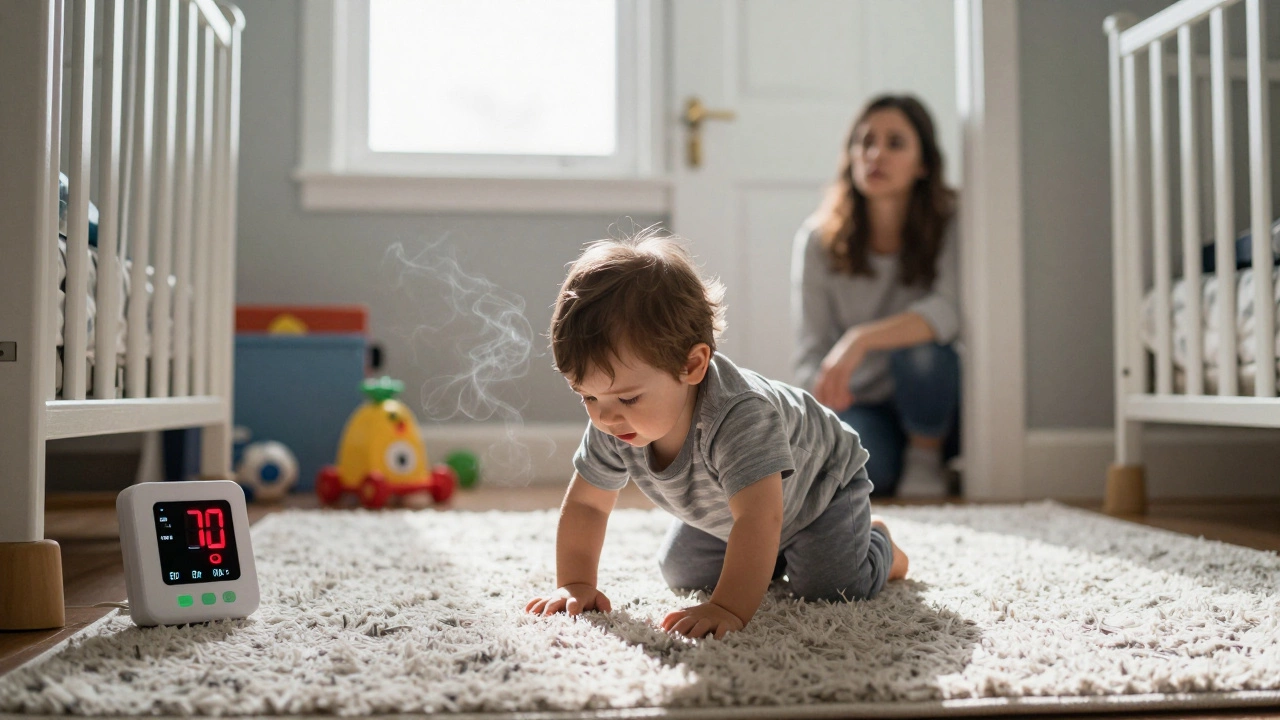
Not all rugs are created equal. Some might look beautiful in the store, but put them in your home and they could be causing problems you didn’t even know about. If you’ve ever noticed your kids sneezing more after laying down a new rug, or your dog refusing to lie on it, or the smell that lingers for weeks - you’re not imagining it. The material matters more than you think.
Don’t Buy Polypropylene (Olefin) Rugs for High-Traffic Areas
Polypropylene, often sold as olefin, is cheap, stain-resistant, and easy to clean. That’s why it’s everywhere - from big-box stores to online marketplaces. But here’s the catch: it’s made from petroleum. When new, it off-gases volatile organic compounds (VOCs) like formaldehyde and benzene. In a small room with poor ventilation, that smell? It’s not just unpleasant - it’s a health risk.
Studies from the Environmental Protection Agency show indoor VOC levels can be two to five times higher than outdoor levels, and synthetic rugs are a major contributor. Kids and pets are especially vulnerable because they breathe closer to the floor. I’ve seen families replace polypropylene rugs in nurseries and only then notice their toddler’s rashes disappeared. Don’t risk it in bedrooms, playrooms, or anywhere people spend hours sitting or lying down.
Avoid Wool Blends With Synthetic Backing
Wool sounds like the perfect natural choice - and it is, mostly. But many wool rugs on the market aren’t 100% wool. They’re blended with polyester or nylon, and glued together with synthetic latex backing. That backing is the real problem. Over time, it breaks down, releasing dust and chemicals into the air. In humid climates like Bristol, it also traps moisture, creating mold.
True 100% wool rugs have a jute or cotton backing. They breathe, they last decades, and they naturally resist dust mites. But if you see a wool rug labeled as “machine-made” or “low-pile” with no mention of backing material, assume it’s synthetic-backed. That’s a red flag. I’ve pulled up three of these in clients’ homes over the last year - all had visible cracking under the edges and a musty smell beneath.
Stay Away From Synthetic Shag Rugs With High Pile
Shag rugs look cozy. They look luxurious. But if they’re made from polyester, acrylic, or nylon - especially with a pile over 1 inch - they’re dust magnets. They trap pollen, pet dander, skin flakes, and even tiny particles of outdoor pollution. Vacuuming doesn’t get it all. In fact, most home vacuums just push the allergens deeper.
People with asthma or allergies often think switching to a fluffy rug will make their space cozier. Instead, they’re turning their living room into an allergen trap. I had a client in Clifton who switched from a low-pile wool rug to a synthetic shag - and within weeks, her seasonal allergies got worse. She didn’t connect the dots until we removed the rug and her symptoms cleared up in three days.
Never Use Rugs With Chemical Fire Retardants
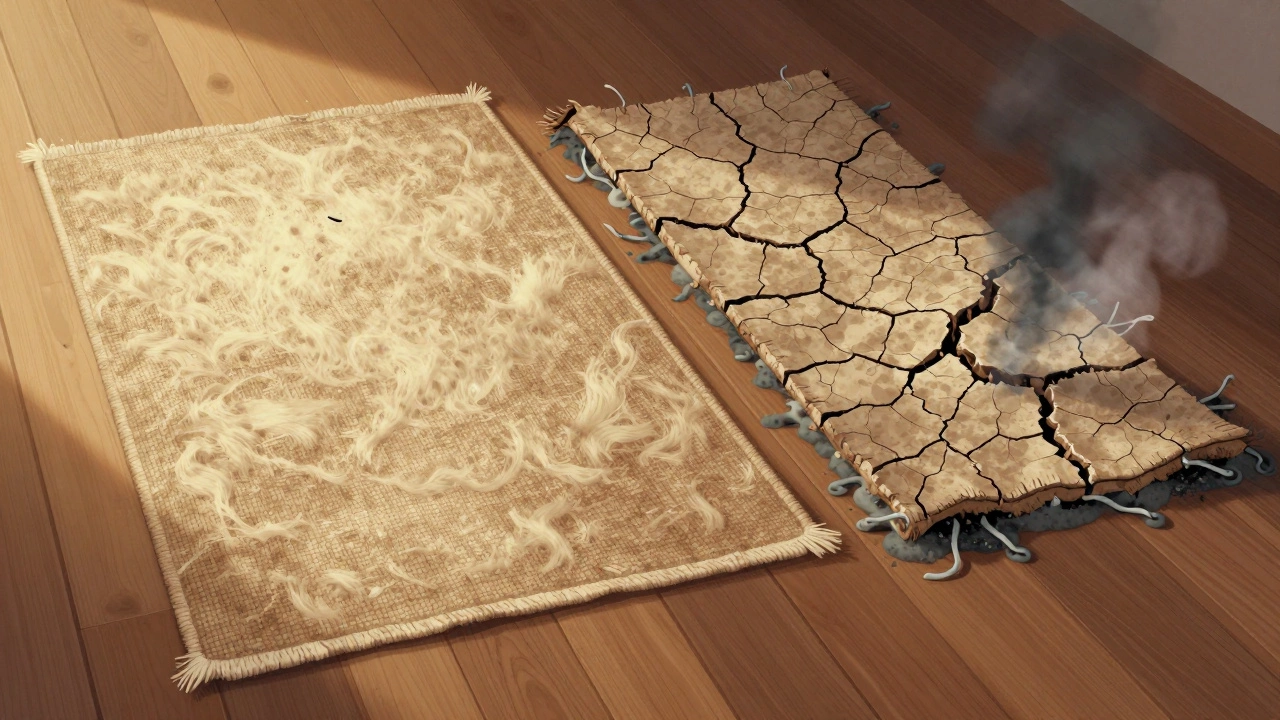
If you’re buying a rug labeled “flame-retardant,” “fire-safe,” or “complies with California TB 117,” stop. Those labels usually mean it’s treated with brominated or chlorinated flame retardants. These chemicals don’t wash out. They don’t break down. They cling to dust and get tracked into your lungs and onto your skin.
The EPA has flagged several of these compounds as possible carcinogens. And they’re not just in cheap rugs - some high-end imported rugs use them to meet export standards. Look for rugs certified by Greenguard Gold or Oeko-Tex Standard 100. These certifications mean no added flame retardants. If the label doesn’t say it, ask. If they can’t tell you, walk away.
Steer Clear of Cheaply Made Cotton Rugs With Synthetic Dyes
Cotton seems safe. It’s natural. It’s breathable. But when it’s dyed with cheap, non-azo dyes - especially in countries with weak environmental regulations - it can leach heavy metals like lead, cadmium, and arsenic. These aren’t just on the surface. They soak into the fibers and stay there.
Children crawling on these rugs or toddlers putting their hands in their mouths after touching the floor are at real risk. The CDC has documented cases of lead poisoning in children linked to imported rugs. Look for rugs labeled “non-toxic dyes,” “natural dyes,” or “OEKO-TEX certified.” Avoid rugs from unknown brands sold at ultra-low prices on marketplaces with no return policy. If it looks too good to be true - it probably is.
What Should You Choose Instead?
Stick with natural fibers that are untreated and minimally processed:
- Wool - naturally fire-resistant, moisture-wicking, and biodegradable. Choose 100% wool with jute or cotton backing.
- Organic Cotton - grown without pesticides, dyed with plant-based pigments. Look for GOTS certification.
- Jute and Sisal - great for high-traffic areas like hallways. They’re biodegradable and don’t hold allergens. Avoid them in damp areas like bathrooms.
- Seagrass - naturally stain-resistant and durable. Ideal for kitchens and entryways.
These materials don’t off-gas. They don’t harbor toxins. And they age beautifully. A well-made wool rug can last 30 years. A cheap synthetic one? You’ll be replacing it every 3 to 5.
How to Test a Rug Before You Buy
You don’t need a lab to check if a rug’s safe. Try this simple test:
- Unroll the rug in a well-ventilated room for 24 hours.
- Smell it. If it smells like chemicals, plastic, or new carpet - walk away.
- Check the label. Look for certifications: Greenguard Gold, Oeko-Tex, GOTS, or 100% natural fiber.
- Ask the seller: “Is there any synthetic backing or chemical treatment?” If they hesitate, it’s a red flag.
Don’t rely on the store’s claims. Many don’t even know what’s in their own products.
What About Pet Owners?
If you have dogs or cats, your rug choices matter even more. Pets spend more time on the floor. They lick their paws. They roll around. A rug that’s toxic to humans is doubly dangerous to them.
Studies from the University of California show pets exposed to synthetic rugs with flame retardants have higher levels of those chemicals in their blood than pets in homes with natural fiber rugs. Cats, in particular, are sensitive to chemicals because they groom themselves constantly.
Go for wool or cotton. Avoid anything with a rubber or PVC backing - it’s not just toxic, it’s slippery. A non-slip pad made of natural rubber or felt is safer and won’t damage your floors.
Final Thought: Your Floor Is Part of Your Health
A rug isn’t just decoration. It’s part of your indoor environment. And your indoor air quality affects your sleep, your breathing, your focus, even your mood. Choosing the right material isn’t about being perfect - it’s about avoiding the ones that actively harm you.
Don’t buy a rug because it’s on sale. Don’t buy it because it matches your couch. Buy it because it won’t make you sick. Your body will thank you years from now.
Are synthetic rugs dangerous for children?
Yes, many synthetic rugs release VOCs and contain flame retardants that can affect children’s developing immune and nervous systems. Kids spend more time on the floor and are more likely to ingest dust from rugs. Choose 100% natural fibers like wool or organic cotton with non-toxic certifications.
Can I wash a rug with chemical backing to remove toxins?
No. Chemicals like flame retardants and synthetic backings are embedded in the fibers or glue. Washing won’t remove them - and may even spread them into your washing machine or drain. The only safe option is to replace the rug with a non-toxic one.
What’s the best rug for someone with allergies?
Wool rugs with jute backing are the top choice. Wool naturally resists dust mites and doesn’t hold onto allergens like synthetic fibers do. Avoid high-pile shags and rugs with synthetic backings. Make sure the rug is certified by Oeko-Tex or Greenguard Gold.
Do natural fiber rugs smell?
New natural rugs like jute or sisal can have a mild earthy smell, similar to fresh hay or wet soil. This fades in a few days with ventilation. If a rug smells strongly of plastic, chemicals, or glue, it’s synthetic - and you should avoid it.
Is it worth spending more on a natural fiber rug?
Absolutely. A high-quality wool rug lasts 20-30 years. A cheap synthetic one needs replacing every 3-5 years. Over time, you save money - and more importantly, you protect your health. Natural rugs also add value to your home and are better for the environment.