
Bedding Longevity Calculator
Select the practices you currently follow to see how they impact longevity.
Estimated Lifespan
Why this score?
- Linen is naturally strong and breathable.
- Cold water protects fiber integrity.
- Air drying prevents heat damage.
The Truth About Sheet Lifespan
We’ve all been there. You buy a set of sheets that feels like silk and looks perfect in the catalog. After six months of washing, they feel rough, thin out in weird spots, or just stop fitting your mattress properly. It’s frustrating because bedding is supposed to be one of the most comfortable things you own. The problem isn’t usually bad luck; it’s often about choosing the wrong material for how you actually live.
When you ask what type of bedding lasts the longest, you’re really asking which fabric can survive the laundry cycle without losing its integrity. Most cheap polyester blends will pill and tear within a year. High-end marketing tricks might make you think higher thread counts mean longer life, but that’s not always true. In fact, ultra-high thread counts often use multi-ply yarns that are thinner and more prone to breaking down over time. To get sheets that last five, ten, or even twenty years, you need to look at fiber quality, weave structure, and care habits.
Quick Summary: What Lasts Longest?
- Linen is the undisputed champion of longevity, often lasting 15-25+ years.
- High-quality Percale Cotton (100% long-staple) offers the best balance of durability and classic comfort, lasting 5-10 years.
- Tencel/Lyocell is strong but requires gentle care to maintain its lifespan of 3-7 years.
- Avoid "high thread count" marketing traps (600+) as these often indicate weaker, multi-ply threads.
- Washing in cold water and air-drying significantly extends the life of any fabric.
Why Linen Wins the Durability Contest
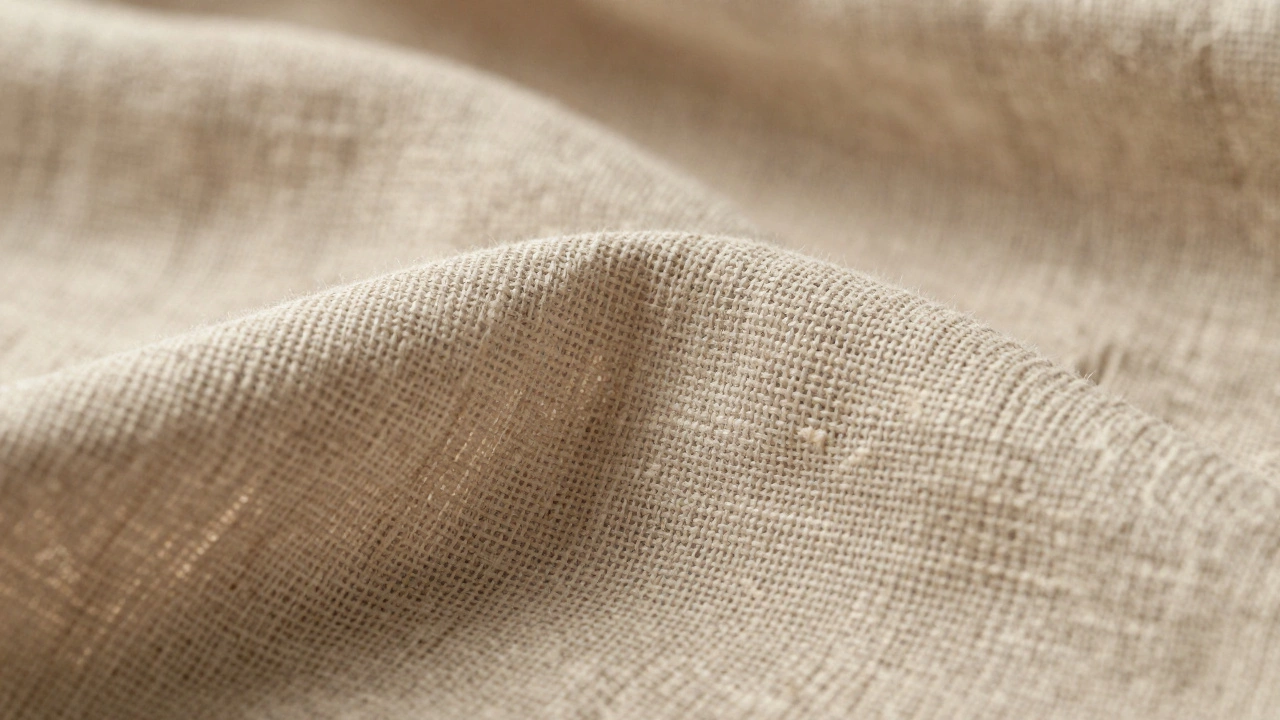
If you want bedding that survives decades, Linen is a textile made from the fibers of the flax plant, known for exceptional strength and breathability. Linen fibers are naturally hollow, which makes them incredibly strong-up to 30% stronger than cotton. Unlike cotton, which gets softer by wearing down slightly, linen gets softer while maintaining its structural integrity. This means a pair of linen sheets can last 15 to 25 years if cared for properly. Some people even hand down linen sheets as heirlooms.
The catch with linen is the initial texture. New linen can feel stiff or rough. However, this is temporary. With every wash, the fibers relax and soften. By the third or fourth wash, most people find linen to be luxuriously smooth. Because linen is breathable and moisture-wicking, it doesn’t trap heat or sweat, which reduces the bacterial breakdown that can weaken other fabrics over time. If you sleep hot or live in a humid climate, linen isn’t just durable; it’s practical.
However, linen wrinkles easily. If you hate ironing or smoothing out sheets, this might be a dealbreaker. But remember, those wrinkles don’t damage the fabric. They’re just part of the aesthetic. For pure longevity, nothing beats flax.
The Case for High-Quality Percale Cotton
If linen feels too rustic or textured for your taste, Percale Cotton is a tightly woven cotton fabric with a crisp, matte finish, similar to a button-down shirt. Percale uses a one-over, one-under weave pattern. This simple structure creates a fabric that is lightweight, breathable, and surprisingly tough. Unlike sateen weaves (which have three or four threads under one over), percale doesn’t snag as easily. Sateen feels silky but tends to pull threads and wear out faster.
To ensure your percale sheets last, focus on the type of cotton used. Look for terms like "Supima," "Pima," or "Egyptian." These refer to long-staple cotton varieties. Short-staple cotton has shorter fibers that must be spun tightly together, leading to pilling and weakening over time. Long-staple cotton fibers are smoother and stronger, resulting in fewer pills and a longer lifespan. A high-quality percale sheet set should last between 5 and 10 years with regular use.
A common mistake buyers make is chasing high thread counts. For percale, a thread count between 200 and 400 is ideal. Anything above 400 often means the manufacturer is using multiple thin strands twisted together (multi-ply) to inflate the number. These thin strands break easier during washing. Stick to single-ply yarns with a moderate thread count for maximum durability.
Tencel and Lyocell: Strong but Delicate
Tencel is a branded name for lyocell, a semi-synthetic fiber made from wood pulp, usually eucalyptus. Tencel sheets are popular because they feel cool to the touch and drape beautifully. They are also environmentally friendly, as the production process recycles water and solvents. In terms of raw strength, lyocell fibers are quite robust. However, their lifespan depends heavily on how you treat them.
Tencel is susceptible to abrasion. If you toss your sheets into a harsh dryer cycle or wash them with heavy items like towels, the fibers can fuzz up and lose their smoothness. With proper care-cold wash, delicate cycle, and line drying or low-heat tumble drying-Tencel sheets can last 3 to 7 years. They won’t beat linen or high-end cotton in longevity, but they offer a unique comfort level that many find worth the trade-off.
One advantage of Tencel is that it resists static buildup and doesn’t hold onto odors as much as synthetic fibers. This means you might wash them less frequently, which indirectly extends their life. Just avoid bleach and fabric softeners, as these chemicals coat the fibers and reduce their natural absorbency and strength.
Fabrics to Avoid for Longevity
Not all bedding is created equal. If your goal is durability, steer clear of certain materials that degrade quickly. Polyester is a synthetic plastic-based fiber commonly used in budget bedding due to its low cost. While polyester is wrinkle-resistant and cheap, it doesn’t breathe well. It traps heat and moisture, creating an environment where bacteria thrive. Over time, polyester fibers become brittle and prone to pilling. Most polyester sheets start showing signs of wear within 1-2 years.
Microfiber is another common option. It’s essentially very fine polyester. While it feels soft initially, microfiber tends to attract dust and lint aggressively. It also wears out quickly because the fibers are so thin. If you want sheets that last, microfiber is not the answer. It’s a short-term solution for a tight budget, not a long-term investment.
Even some "cotton-blend" sheets can be problematic. Blends mixing cotton with polyester may offer reduced wrinkling, but they sacrifice breathability and durability. The synthetic component breaks down differently than the natural fiber, leading to uneven wear and texture changes over time. For the longest-lasting bedding, 100% natural fibers are almost always the better choice.
How Care Habits Impact Sheet Life
You can buy the most expensive linen sheets on the market, but if you wash them incorrectly, they’ll still fail prematurely. How you care for your bedding matters just as much as the fabric itself. Here are the key practices that extend the life of any sheet set:
- Wash Less Frequently: Unless you’re sick or have spilled something, you don’t need to wash sheets every week. Every 10-14 days is sufficient for most people. This reduces mechanical stress on the fibers.
- Use Cold Water: Hot water weakens fibers and causes shrinkage. Cold water cleans effectively while preserving the fabric’s strength and color.
- Skip Fabric Softener: Softeners coat fibers with a waxy residue. Over time, this buildup reduces absorbency and can cause fibers to rot or break. For linen, this is especially damaging.
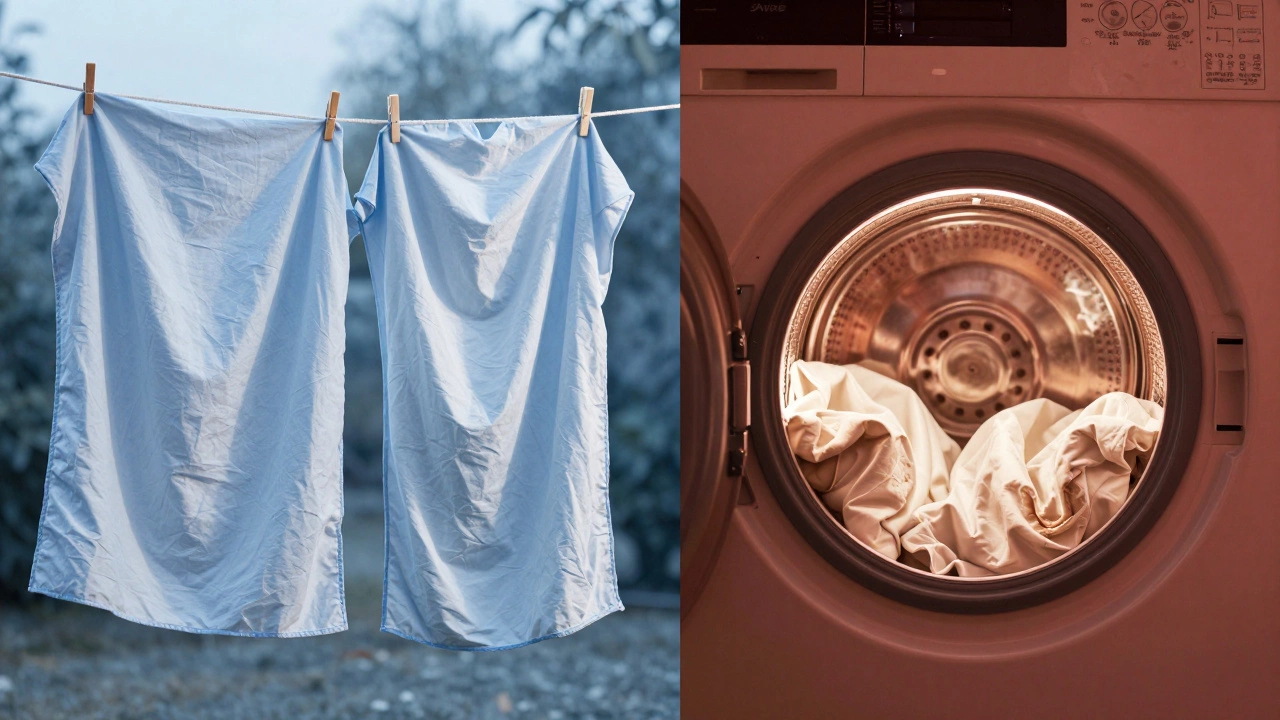
- Air Dry When Possible: Tumble dryers generate high heat and tumbling action that stresses seams and fibers. Line drying or laying flat preserves the weave. If you must use a dryer, choose the lowest heat setting and remove sheets while slightly damp to minimize wrinkles.
- Rotate Sets: Having two sets of sheets and alternating them gives each set time to rest between uses. This prevents constant friction and stretching.
Also, consider using a mattress protector. This barrier absorbs sweat, oils, and accidental spills before they reach your sheets. It’s a small investment that can double the lifespan of your favorite bedding.
Comparing Durability: A Quick Reference
| Material | Expected Lifespan | Durability Rating | Best For |
|---|---|---|---|
| Linen | 15-25+ years | Excellent | Hot sleepers, eco-conscious buyers |
| Percale Cotton (Long-Staple) | 5-10 years | Very Good | Crisp, cool feel lovers |
| Sateen Cotton | 3-5 years | Moderate | Soft, silky feel preference |
| Tencel/Lyocell | 3-7 years | Good (with care) | Cool, draping comfort |
| Polyester/Microfiber | 1-2 years | Poor | Budget-only, short-term use |
Final Thoughts on Investing in Bedding
Choosing bedding that lasts isn’t just about spending more money upfront. It’s about understanding how different fibers behave over time. Linen offers the ultimate durability but requires an adjustment period for its texture. High-quality percale cotton provides a familiar, crisp feel with solid longevity. Tencel offers a modern, cooling alternative but demands gentle handling. Polyester and microfiber, while cheap, are disposable in nature.
Think of your sheets as an investment in your sleep health and home comfort. Buying a cheaper set that needs replacing every year costs more in the long run than investing in a durable set once every decade. Pay attention to fiber content, weave type, and care instructions. Your back-and your wallet-will thank you.
Do Egyptian cotton sheets last longer than regular cotton?
Yes, genuine Egyptian cotton (specifically long-staple varieties like Giza) lasts significantly longer than standard upland cotton. The longer fibers create stronger yarns with less pilling. However, be cautious of marketing labels; only sheets labeled "100% Egyptian Cotton" or "Giza" guarantee authenticity. Many products labeled "Egyptian style" are just regular cotton.
Is organic cotton more durable than conventional cotton?
Organic cotton is not inherently more durable than conventional cotton. Durability depends on fiber length (staple length) and weave, not farming methods. Organic cotton avoids pesticides and synthetic fertilizers, which is better for the environment and skin sensitivity, but it doesn’t automatically mean the fabric will last longer. Look for organic long-staple cotton for the best combination of ethics and durability.
Can I put linen sheets in the dryer?
You can, but it’s not recommended for maximizing lifespan. High heat damages linen fibers and increases wrinkling. If you must use a dryer, select the lowest heat setting and remove the sheets while they are still slightly damp. Then lay them flat or hang them to finish drying. This method reduces stress on the fabric and minimizes ironing needs.
Why do my sheets pill after a few washes?
Pilling occurs when short fibers loosen from the yarn and tangle together on the surface. This is common in short-staple cotton, polyester blends, and microfiber. It indicates lower quality construction. To prevent pilling, choose long-staple cotton (Supima, Pima, Egyptian) or linen, which have longer, stronger fibers that resist loosening.
Does thread count affect how long sheets last?
Thread count alone does not determine longevity. In fact, extremely high thread counts (600-1000+) often use multi-ply yarns that are thinner and weaker. A moderate thread count (200-400) with single-ply, long-staple fibers is far more durable. Focus on fiber quality and weave type rather than the thread count number.