
Sofa Durability Estimator
Input your potential sofa's specifications to estimate its expected lifespan and get maintenance tips.
You just dropped three grand on a new couch. It looks stunning in your living room, matches your rug perfectly, and feels like a cloud when you sit down. Then, eighteen months later, the seat cushions are flat pancakes, the arms are sagging, and there’s a weird squeak every time you shift your weight. You didn’t buy bad luck; you bought a sofa with poor construction specs. The question isn't whether your sofa will wear out-it will-but which type resists gravity and daily abuse the longest?
Most people shop for sofas based on color or style. That’s a mistake if longevity is your goal. Durability lives in the hidden parts: the frame, the suspension, and the density of the foam. If you want a piece that survives kids, pets, and Netflix marathons for ten years or more, you need to look past the upholstery and inspect the bones. Here is how to identify the longest-lasting sofa types before you swipe your credit card.
The Frame Is Everything
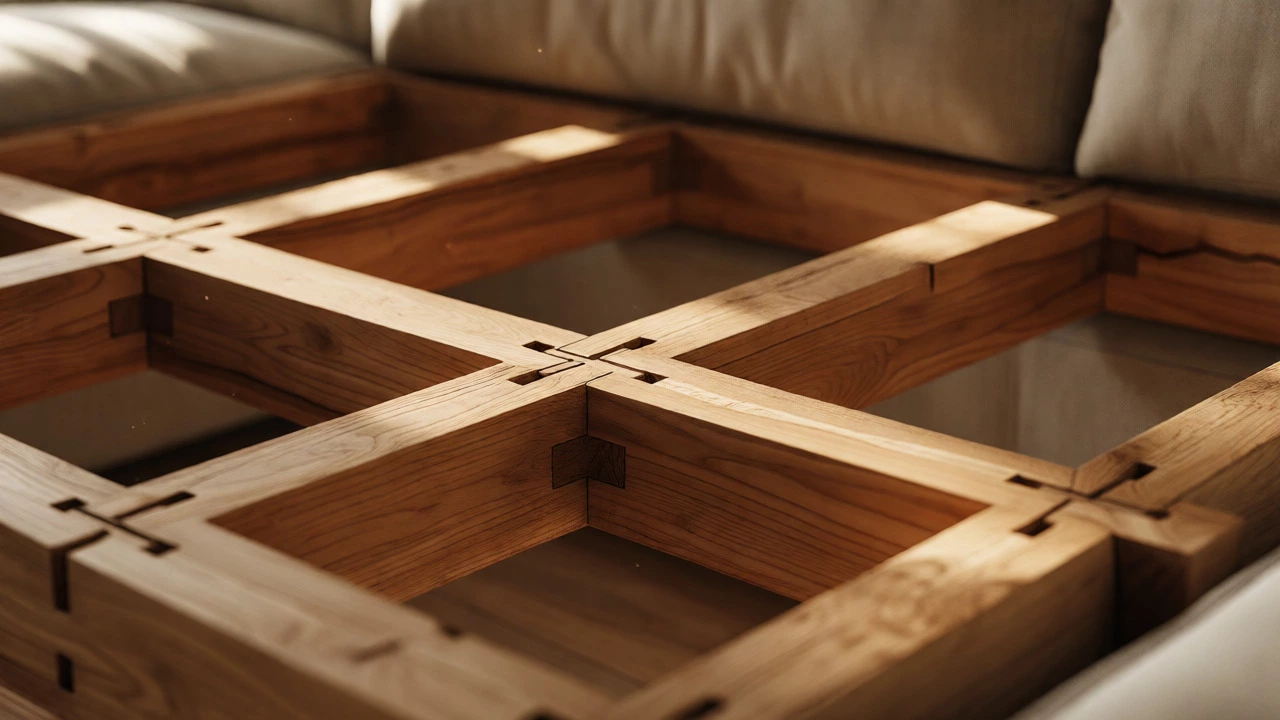
Think of the frame as the skeleton of the sofa. If it breaks, the rest doesn’t matter. Cheap sofas use particleboard, plywood staples, or soft woods like pine. These materials warp over time, especially in humid climates, and they crack under stress. A high-quality sofa uses kiln-dried hardwood. Kiln drying removes moisture so the wood doesn’t expand or contract wildly with seasonal changes. This stability prevents joints from loosening.
When you’re in the store, lift one corner of the sofa. If it feels flimsy or twists easily, walk away. A solid hardwood frame should feel heavy and rigid. Look for joinery methods too. Staples and glue are fast but weak. Corner blocks glued and screwed into place are standard for mid-range quality. For top-tier durability, look for mortise-and-tenon joints. This traditional woodworking technique interlocks pieces without relying solely on screws, creating a structure that can last decades.
| Frame Material | Lifespan Estimate | Weaknesses | Best For |
|---|---|---|---|
| Kiln-Dried Hardwood | 10-20+ years | Heavy weight, higher cost | Long-term investment homes |
| Engineered Wood (Plywood) | 5-8 years | Can delaminate if wet | Budget-conscious buyers |
| Metal | 15+ years | Welds can fail, industrial look | Modern/Industrial aesthetics |
| Particleboard/MDF | 2-4 years | Sags quickly, swells with moisture | Rentals or temporary spaces |
Suspension Systems: The Hidden Hero
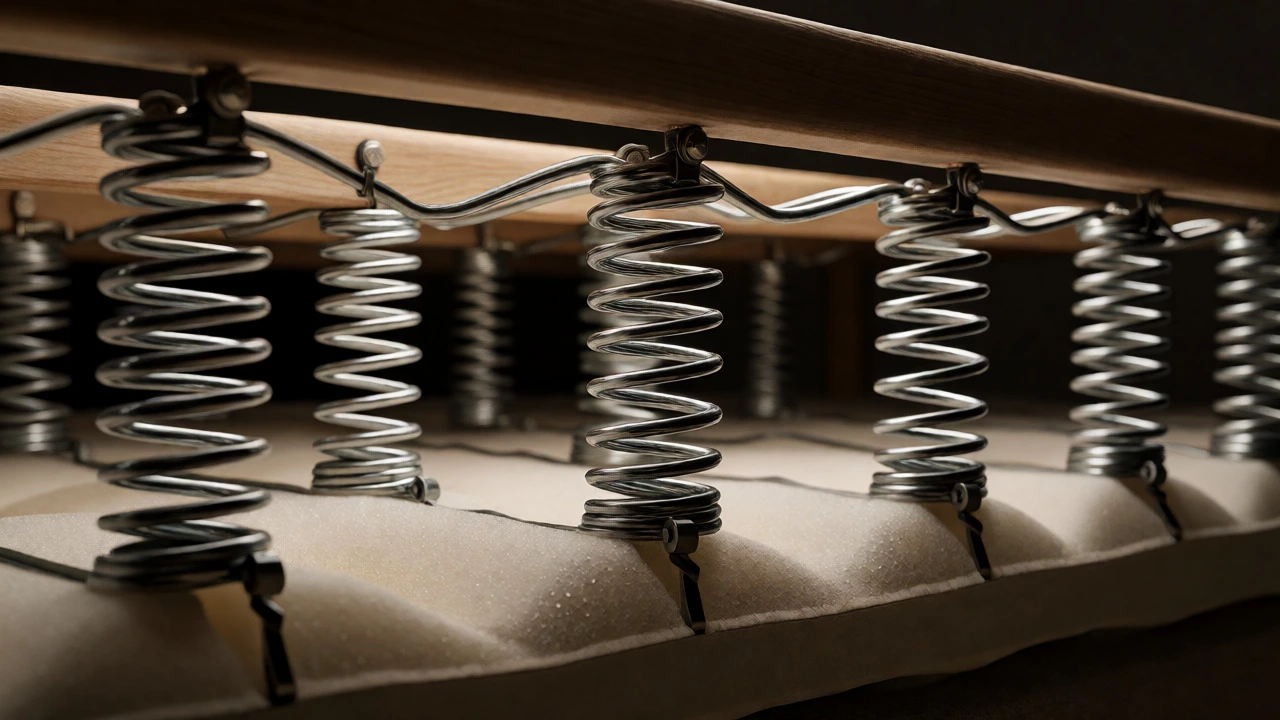
Once you have a strong frame, you need something to hold up the cushions. This is the suspension system. Most cheap sofas use sinuous springs-S-shaped wires stapled across the frame. They are cheap to produce but noisy and prone to breaking at the attachment points. Over time, these springs cut through the fabric and poke you in the back.
For maximum lifespan, choose eight-way hand-tied springs. This involves weaving steel coils horizontally, vertically, and diagonally. It’s labor-intensive, which drives up the price, but it distributes weight evenly and eliminates dead spots. If eight-way tied is out of budget, look for pocketed coil systems. These are individual springs wrapped in fabric, similar to high-end mattresses. They don’t transfer motion well, meaning if your partner shifts, you won’t feel it. While not as durable as hand-tied coils, they last significantly longer than basic sinuous springs because the fabric wrapping reduces friction and metal fatigue.
Foam Density Matters More Than Thickness
You’ve probably heard "high-resilience foam" thrown around by salespeople. What does it actually mean? Foam durability is measured by density, usually expressed in pounds per cubic foot (PCF). Low-density foam (under 1.8 PCF) collapses within two years. It feels fluffy initially but loses its shape rapidly. Medium-density foam (1.8-2.5 PCF) is acceptable for occasional chairs but will flatten in a family room used daily.
For a sofa that lasts, insist on high-density foam with a rating of 2.5 PCF or higher. Better yet, look for 3.0 PCF or above. This foam is firmer when you first sit on it, but it bounces back. It supports your body rather than letting you sink until you hit the wooden frame. Some manufacturers wrap this core in a layer of down or fiber. This adds comfort but requires regular fluffing. If you hate maintenance, stick to all-foam cushions with a tight weave cover.
Upholstery: Fabric vs. Leather
The material covering the sofa takes the most visible abuse. Sunlight fades colors, claws snag threads, and spills stain fibers. There is no single "best" fabric, but there are clear winners for durability depending on your lifestyle.
Leather is often cited as the most durable option. Full-grain leather develops a patina and hides scratches better than any other material. However, it cracks if not conditioned and gets sticky in summer. Top-grain leather is softer but less resistant to staining. If you have cats, leather might get shredded. In that case, synthetic microfiber or performance fabrics like Crypton or Sunbrella are superior. These are engineered with tight weaves that resist punctures and repel liquids. A double-rub count (a measure of abrasion resistance) of 15,000 or higher indicates commercial-grade durability suitable for heavy home use.
- Full-Grain Leather: Extremely durable, ages beautifully, expensive, needs care.
- Performance Fabrics: Stain-resistant, pet-friendly, breathable, modern look.
- Linen/Cotton Blends: Breathable and natural, but wrinkles easily and stains readily.
- Velvet: Durable due to dense pile, hides dirt well, but traps heat and pet hair.
Construction Details You Can Check
Even with great materials, poor assembly kills a sofa. When shopping, ask about dust covers. High-end sofas have fabric covers underneath the seat deck to protect the springs and frame from dust and debris. Cheap sofas leave these areas open. Dust accumulation accelerates wear on moving parts.
Check the legs. Screwed-in legs are a red flag; they loosen over time. Legs attached with dowels and glue, or integrated into the frame, are far more stable. Also, look at the seams. Double-stitched seams are stronger than single-stitched ones. If the stitching looks uneven or loose on a brand-new model, imagine how it will look after a year of stretching.
Real-World Scenarios: Matching Sofa to Lifestyle
Durability is contextual. A sofa in a formal dining room faces different challenges than one in a college apartment. Let’s break down common scenarios.
If you have young children, prioritize easy-to-clean materials and sturdy frames. Kids jump on sofas, stressing the suspension. A hardwood frame with eight-way hand-tied springs and performance fabric is your best bet. Avoid light-colored linen; it will be gray in six months.
If you have large dogs, skip delicate leathers and velvets. Choose a dark-colored microfiber or canvas blend. Dogs’ nails act like sandpaper on loose weaves. Tight weaves resist penetration. Also, consider a sofa with removable cushion covers. Being able to throw them in the washing machine extends life dramatically.
For sunrooms or bright living areas, UV exposure is the enemy. Synthetic fabrics fade slower than natural dyes. Solution-dyed acrylics offer exceptional fade resistance. If you love the look of cotton, accept that it will age faster unless you install UV-filtering window films.

Common Myths About Sofa Longevity
Many shoppers believe that "down-filled" means luxury and durability. Down is incredibly comfortable but flattens quickly. Without a high-density foam core, down-only cushions become lumps within a year. Always check if the down is blended with foam or feather inserts for support.
Another myth is that heavier sofas are always better. Weight can indicate solid wood, but it can also mean thick layers of low-quality padding. Always verify the material composition, not just the scale reading.
Finally, many think warranties guarantee durability. A warranty covers defects in workmanship, not normal wear and tear. If your foam compresses by 20% over five years, that’s expected degradation, not a defect. Read the fine print carefully.
How to Extend Your Sofa’s Life
Buying right is half the battle. Maintenance is the other half. Rotate your seat cushions weekly. This ensures even compression. Vacuum the crevices monthly to remove grit that acts as an abrasive between fibers. Keep the sofa out of direct sunlight when possible, or use blinds during peak hours.
If you have leather, condition it twice a year. Use products designed for the specific finish. For fabric, blot spills immediately-never rub. Rubbing pushes liquid deeper and damages the weave. Professional cleaning once every two years can revive fabrics and remove embedded oils that degrade fibers.
Frequently Asked Questions
Is leather or fabric more durable for a sofa?
It depends on the household. Full-grain leather is extremely durable against wear and develops a patina, making it ideal for adults and quiet homes. However, it is vulnerable to sharp claws and heat. Performance fabrics are generally more durable against stains, fading, and pet scratches, making them better for families with children and animals. Neither is universally "better," but leather tends to last longer if maintained properly, while performance fabrics require less upkeep.
What foam density is best for sofa longevity?
Look for foam with a density of at least 2.5 pounds per cubic foot (PCF). High-quality sofas often use 3.0 PCF or higher for seat cushions. Lower densities (below 1.8 PCF) collapse quickly and lose their supportive shape within a few years. Higher density foam retains its resilience and bounce-back capability for much longer.
Do expensive sofas really last longer?
Generally, yes, but price alone isn't proof. Expensive sofas typically use kiln-dried hardwood frames, eight-way hand-tied springs, and high-density foams. These components inherently last longer. However, some mid-priced brands offer excellent construction using engineered wood and pocketed coils. Always inspect the construction details rather than relying solely on the price tag.
How long should a good quality sofa last?
A high-quality sofa with a hardwood frame and premium suspension should last 10 to 15 years with regular use. Budget sofas made with particleboard and low-density foam may only last 2 to 5 years. Lifespan also depends heavily on usage intensity and maintenance habits.
Are modular sofas less durable than traditional ones?
Modular sofas can be just as durable if they use the same internal components. The concern lies in the connection mechanisms. Cheap modular sofas use plastic clips that break over time. High-end modules use metal brackets or robust locking systems. Check the connector hardware; if it feels flimsy, the whole unit will eventually wobble regardless of the frame quality.