
Grey Sofa Suitability Calculator
Answer these questions to see if a grey sofa is the right choice for your home.
Your Grey Sofa Score: 0%
Verdict:
Recommended Shade & Style:
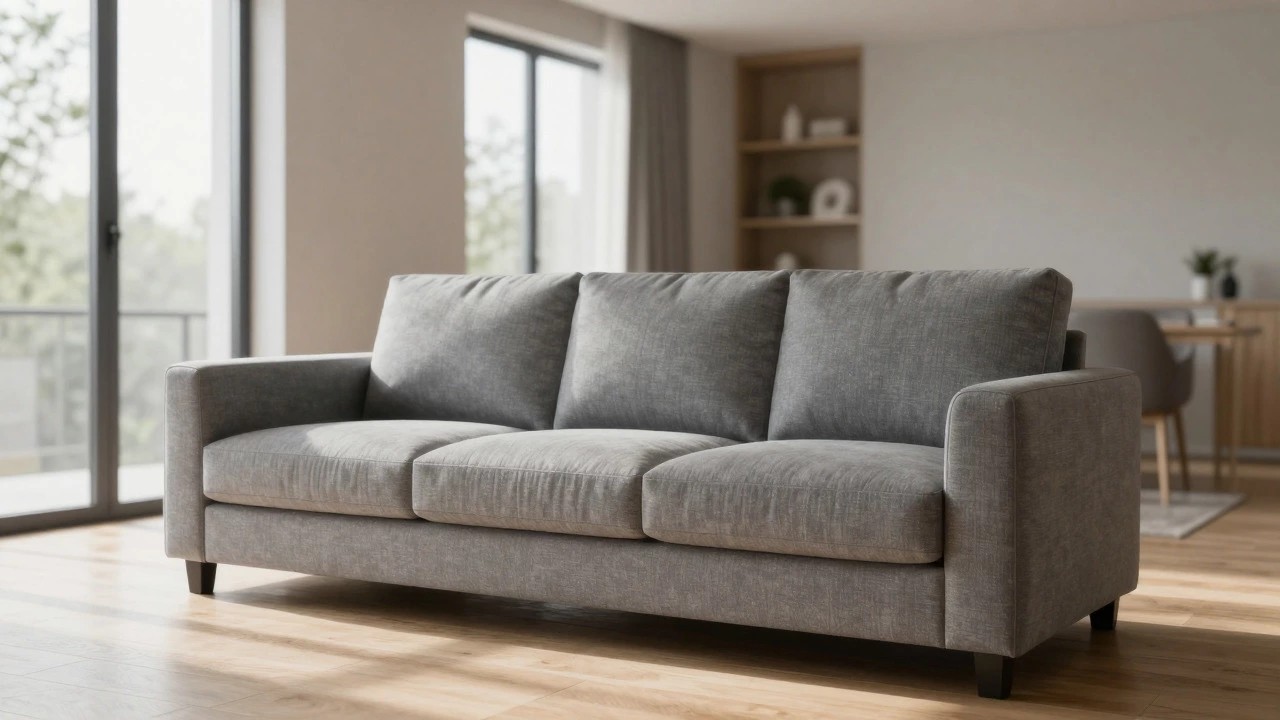
Walk into any home showroom in Bristol or browse the latest listings on property sites, and you’ll spot the same trend: a grey sofa. It’s everywhere. From sleek, modern apartments to traditional family homes, this shade of upholstery has become the default choice for millions of people. But why? Is it just a passing fad, or is there something deeper driving this obsession with grey couches?
The answer isn’t simple, but it’s fascinating. The rise of the grey sofa isn’t just about aesthetics; it’s a perfect storm of psychology, practicality, and market dynamics. This article breaks down exactly why this specific color has taken over our living rooms.
The Psychology of Neutrality
Humans are wired to seek comfort and security. In interior design, this translates to a preference for spaces that feel calm and uncluttered. Bright colors can be stimulating, even aggressive. A red sofa demands attention. A yellow chair shouts for focus. Grey, however, whispers. It recedes into the background, allowing the rest of the room to breathe.
Psychologically, grey is associated with balance and neutrality. It doesn’t impose a mood. If you’re having a stressful day, a bright orange couch might feel overwhelming. A grey one feels like a safe harbor. This emotional neutrality makes it an ideal anchor for a living room, which is often the central hub of domestic life.
Consider the concept of "visual noise." Our brains process visual information constantly. A room filled with high-contrast patterns and vivid colors creates cognitive load. A grey sofa reduces this load. It acts as a visual pause button. This is why many designers recommend starting with neutral large furniture pieces before adding personality through accessories.
Versatility: The Ultimate Chameleon
If you’ve ever tried to match a bold-colored sofa with curtains, rugs, and wall art, you know the pain. A navy blue couch limits your rug choices. A green armchair dictates your pillow scheme. A grey sofa plays well with everyone.
This versatility is its superpower. Grey sits right in the middle of the color spectrum. It bridges the gap between warm tones (like beige and cream) and cool tones (like white and black). This means you can completely change the vibe of your room without replacing the biggest piece of furniture you own.
- Modern Look: Pair a light grey sofa with chrome legs, glass tables, and monochrome art.
- Scandi Style: Combine a mid-grey fabric with wood accents, plants, and soft textiles.
- Industrial Vibe: Use a dark charcoal sofa with exposed brick, metal fixtures, and leather details.
- Traditional Elegance: Match a plush grey velvet sofa with ornate mirrors, gold frames, and rich drapes.
This adaptability saves money in the long run. Trends in wall paint and decor change every few years. Your sofa doesn’t have to. You can repaint your walls from sage green to terracotta, and that grey couch will still look appropriate. It’s the ultimate investment piece because it never goes out of style.
Practicality and Maintenance
Let’s talk about real life. Life happens on sofas. Kids spill juice. Pets shed fur. We track in mud from the garden. When you’re buying a sofa, especially if you have a household with children or animals, durability and cleanliness are top priorities.
Black shows dust and pet hair instantly. White shows every crumb and stain. Grey? Grey is the master of disguise. Most everyday dirt-dust, lint, small crumbs-is lighter than dark grey or similar in tone to light grey. This means you don’t have to vacuum your sofa after every use. It hides wear and tear better than almost any other color.
Furthermore, advancements in textile technology have made grey fabrics more resilient than ever. Many manufacturers now offer performance fabrics in grey shades that are stain-resistant, water-repellent, and easy to clean. Brands like Sunbrella or Crypton have popularized these materials, making them accessible for everyday consumers. You can wipe up a coffee spill with a damp cloth, and it often leaves no trace.
The Influence of Social Media and Design Trends
We can’t ignore the role of platforms like Instagram and Pinterest. These platforms have democratized interior design inspiration. People scroll through thousands of images daily, seeing what looks good. And guess what dominates those feeds? Grey sofas.
Designers and influencers favor grey because it photographs beautifully. It provides a neutral backdrop that makes other elements pop. A bouquet of flowers looks vibrant against grey. A colorful throw blanket stands out. This creates a feedback loop: people see beautiful photos with grey sofas, they buy grey sofas, and then post their own photos, reinforcing the trend.
This phenomenon is known as the "bandwagon effect." When we see others adopting a behavior or style, we’re more likely to follow suit. In the context of home decor, seeing a grey sofa in a magazine or online store signals that it’s a "safe" and stylish choice. It reduces the risk of making a bad decision when spending hundreds or thousands of pounds on furniture.
Market Availability and Standardization
Supply chains play a huge role in consumer choice. Furniture manufacturers produce items based on demand. As grey sofas became popular, factories scaled up production. This led to economies of scale, making grey sofas cheaper and more widely available than niche colors.
Walk into any major furniture retailer, from IKEA to high-end boutiques. They stock multiple models in grey. They might only have one or two options in teal or mustard. This availability biases buyers toward grey simply because it’s easier to find. If you want a grey sofa, you can walk in today and take it home. If you want a specific shade of purple, you might wait weeks or order online, risking return hassles.
| Color | Hides Dirt | Style Flexibility | Availability |
|---|---|---|---|
| Grey | High | Very High | Extremely High |
| Beige/Cream | Low | High | High |
| Navy Blue | Medium | Medium | Medium |
| Red/Orange | Low | Low | Low |
Resale Value and Long-Term Investment
For homeowners, furniture is part of the overall appeal of a property. When selling a house, staging matters. Neutral interiors help potential buyers visualize themselves living in the space. A grey sofa is less likely to clash with a buyer’s personal taste than a bold patterned couch.
Real estate agents often advise sellers to neutralize their homes before listing. This includes painting walls white or light grey and choosing neutral furniture. Since many people already own grey sofas, they don’t need to replace them when moving. This continuity reinforces the perception of grey as a standard, acceptable choice.
Additionally, grey sofas hold their value better. Because they are timeless, they don’t look dated quickly. A trendy geometric print from five years ago might look outdated now. A classic grey Chesterfield or a minimalist grey sectional still looks fresh. This longevity makes it a smarter financial decision for most households.
How to Make Grey Work for You
While grey is versatile, it’s not foolproof. A poorly chosen grey sofa can make a room feel cold or sterile. Here’s how to avoid that pitfall.
- Choose the Right Undertone: Grey isn’t just one color. It has undertones. Some greys lean blue (cool), while others lean brown or beige (warm). Cool greys work well in north-facing rooms or modern spaces. Warm greys suit south-facing rooms or traditional homes. Always test a fabric swatch in your actual lighting conditions.
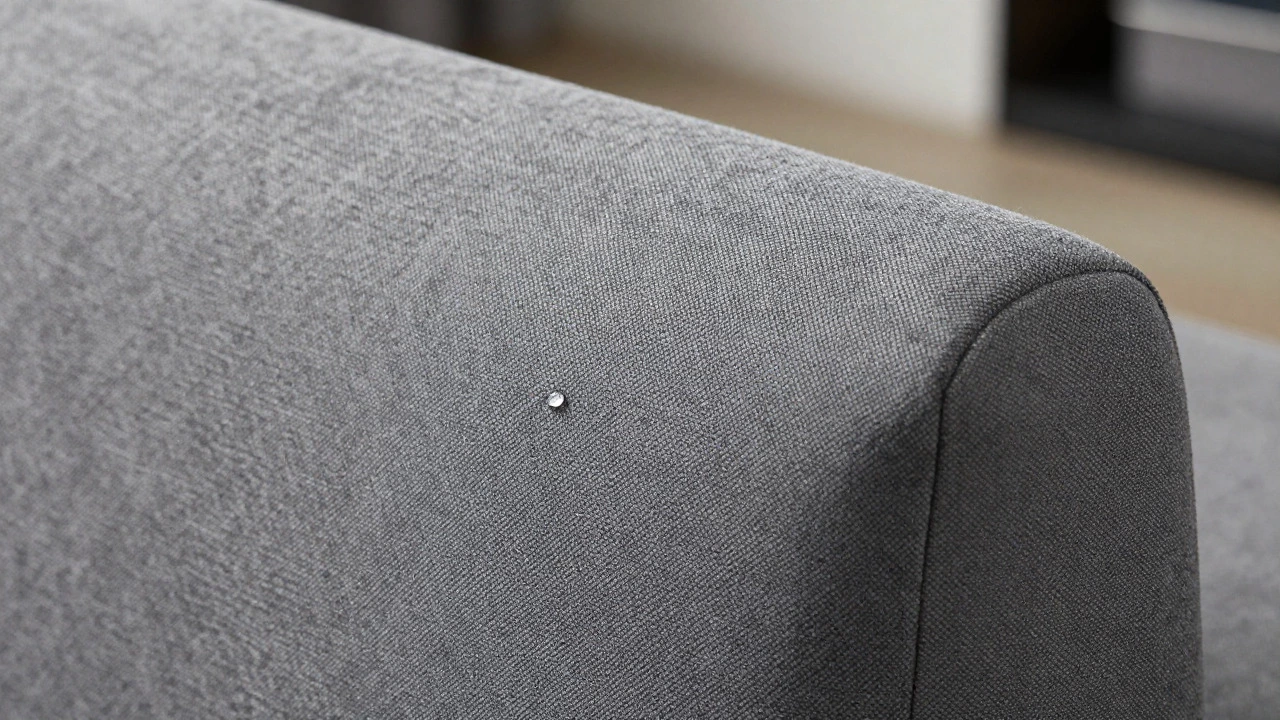
- Add Texture: Flat grey fabric can look boring. Opt for textures like boucle, velvet, linen, or tweed. Texture adds depth and interest, preventing the sofa from looking like a blank canvas.
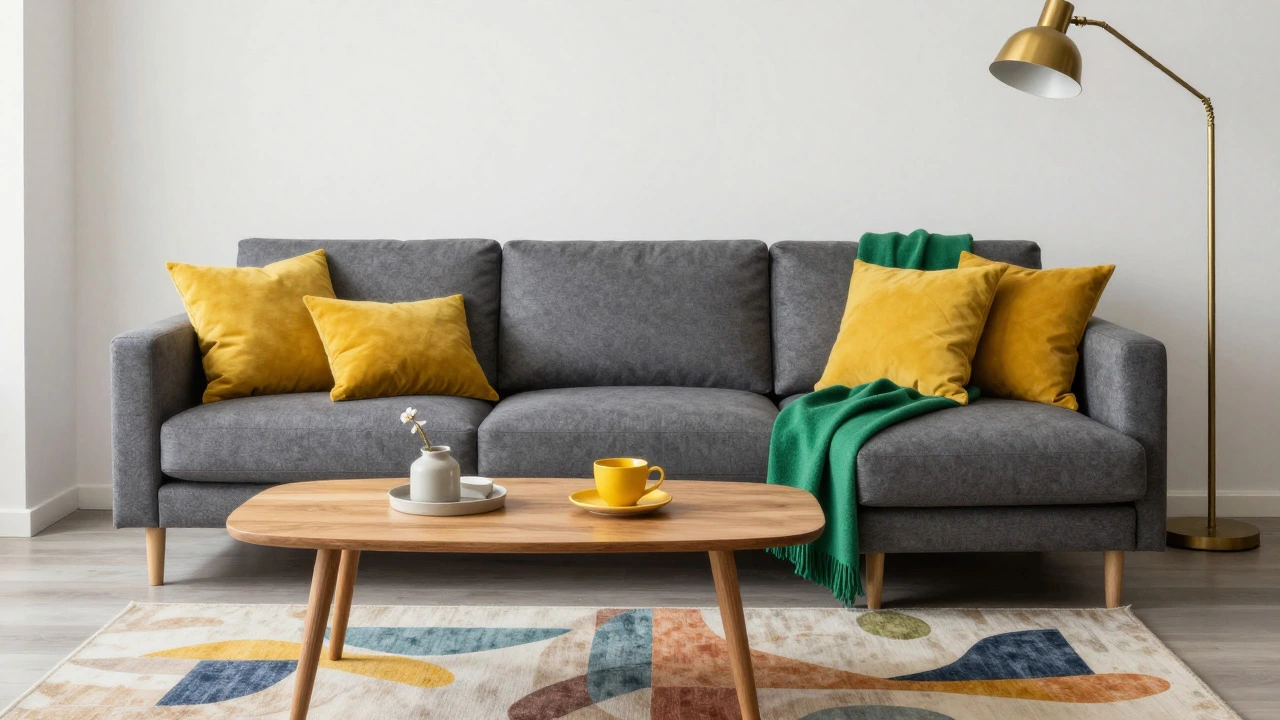
- Inject Color: Use cushions, throws, and rugs to add pops of color. Mustard yellow, emerald green, or blush pink look stunning against grey. This allows you to change the season’s look easily.
- Balance with Wood: Pair your grey sofa with wooden coffee tables or sideboards. Wood adds warmth and prevents the room from feeling too clinical.
Remember, the goal isn’t to create a museum exhibit. It’s to create a home. Grey is the foundation, not the whole house. Build upon it with items that reflect your personality.
Future Trends: Will Grey Stay?
Trends cycle. After decades of beige dominance in the 90s and early 2000s, grey took over. Now, some designers predict a shift back towards warmer neutrals like cream, oatmeal, and taupe. However, grey isn’t disappearing. It’s evolving.
We’re seeing more demand for textured greys and greys with subtle patterns. Pure solid grey is becoming less common in high-end designs, replaced by heathered or marled fabrics that offer more visual complexity. This suggests that while the core popularity remains, the execution is becoming more sophisticated.
Regardless of future shifts, grey’s practical advantages ensure it will remain a staple. As long as people value versatility, ease of maintenance, and timeless style, grey sofas will continue to dominate living rooms across the UK and beyond.
Is a grey sofa actually hard to keep clean?
No, quite the opposite. Mid-tone greys are excellent at hiding everyday dirt, dust, and pet hair. Light greys show less staining than white, while dark greys hide more wear than black. For best results, choose a performance fabric with stain-resistant treatment.
What colors go best with a grey sofa?
Almost any color works. For a calming effect, pair with whites, creams, and soft blues. For energy, try mustard yellow, burnt orange, or emerald green. Natural wood tones also complement grey beautifully, adding warmth to the space.
Does grey make a room look cold?
It can, if you choose a cool-toned grey and lack other warm elements. To prevent this, select a grey with warm undertones (taupe-like) or add warm accents like wooden furniture, brass lighting, and textured textiles such as wool throws.
Are grey sofas going out of style in 2026?
Not entirely. While there is a slight shift towards warmer neutrals like beige and cream, grey remains a dominant force due to its versatility and practicality. Modern interpretations focus more on texture and pattern within the grey spectrum rather than abandoning the color altogether.
Should I buy a light or dark grey sofa?
Light grey makes small rooms feel larger and airier but may show stains more easily. Dark grey adds coziness and drama but can make a small room feel cramped. For families with kids or pets, a mid-tone grey offers the best balance of aesthetics and practicality.