

Bedding Warmth & Recommendation Tool
Your Sleep Environment
Primary Choice
Description goes here.
Layering Strategy
Secondary advice goes here.
Enter your details to find out if you need a heavy Comforter or a breathable Blanket.
It is 3 AM. The room feels like a freezer, and you are tangled in your sheets, trying to decide if adding another layer will help or just make you sweat. This is the classic bedroom dilemma: do you reach for a heavy comforter or stick with a traditional blanket? It sounds like a small choice, but getting it wrong can ruin your entire night’s rest. In Bristol, where the weather swings from damp chill to unexpected warmth, knowing the difference between these two bedding staples is essential for staying comfortable year-round.
The short answer depends on how much heat your body generates and what your thermostat says. A comforter traps more air and provides consistent insulation, making it ideal for cold winters. A blanket offers breathable warmth that you can easily adjust, which works better for mild evenings or hot sleepers. Before we break down the specifics, let's look at why this distinction matters so much for your sleep quality.
Understanding the Core Difference: Construction Matters
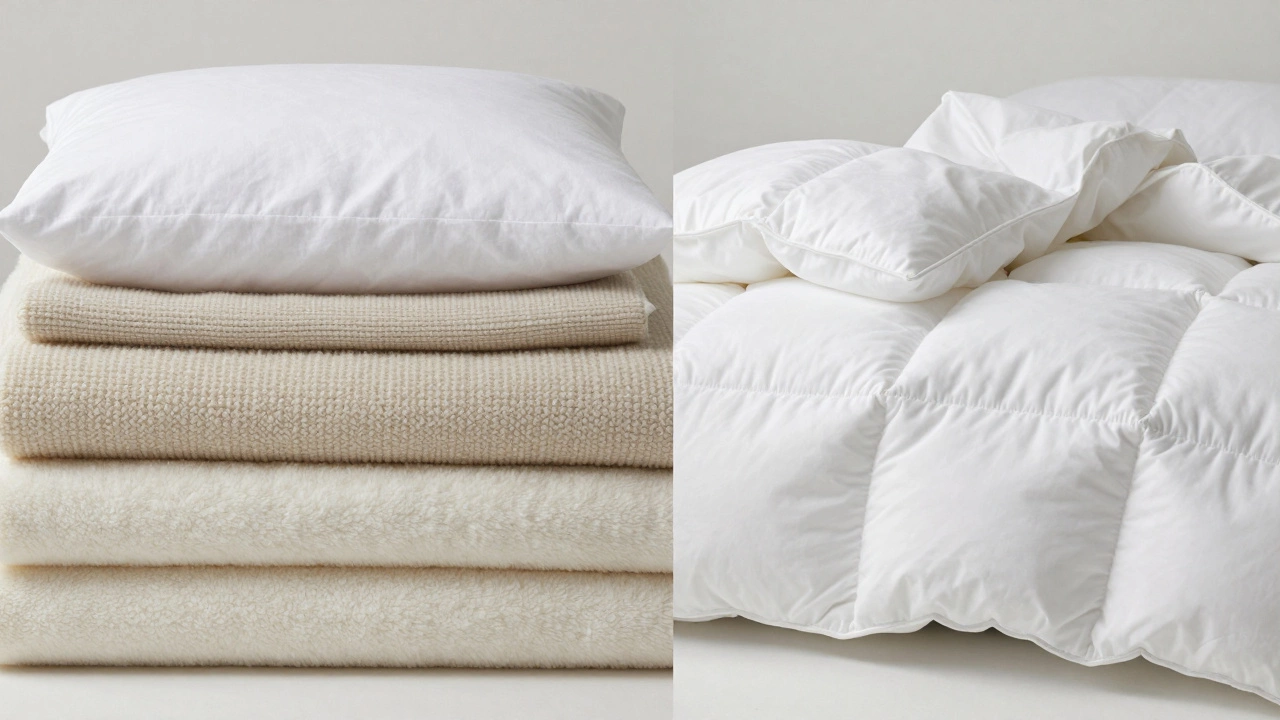
To choose the right bedding, you need to understand how they are built. They might look similar when folded neatly on top of a bed, but their internal structures work completely differently to regulate temperature.
A comforter is a thick, quilted bedding item filled with synthetic fibers, down, or wool. The key feature here is the quilting. The stitching creates pockets that trap air. Since air is an excellent insulator, these trapped pockets keep your body heat close to you while preventing cold air from circulating underneath. Think of it like wearing a puffer jacket; the bulkiness is doing the work.
In contrast, a blanket is typically a single layer of woven fabric. Whether it is made of cotton, fleece, wool, or acrylic, it relies on the density of the weave and the material itself to provide warmth. There are no air pockets. If you want more warmth from a blanket, you usually have to add another one on top. This makes blankets modular, whereas comforters are all-in-one solutions.
When to Choose a Comforter
Comforters are the go-to choice for those who hate waking up cold. Here is when you should definitely opt for a comforter:
- You live in a colder climate: If your heating bills are high and your home tends to draft, a comforter acts as a thermal barrier. Down-filled comforters, in particular, offer incredible warmth-to-weight ratios.
- You are a cold sleeper: Some people naturally run cooler at night. A heavy duvet or comforter prevents that midnight shiver without needing multiple layers that get tangled.
- You prefer a "set it and forget it" approach: With a comforter, you tuck it in once and leave it. You don't need to adjust layers throughout the night because the insulation is evenly distributed.
However, there is a catch. Comforters can be bulky. If you tend to kick your covers off during sleep, a heavy comforter might feel suffocating or too warm by morning, leading to overheating. Also, cleaning them requires a large-capacity washing machine or a trip to the dry cleaner, depending on the fill material.
When to Choose a Blanket
Blankets offer flexibility that comforters simply cannot match. You should consider using a blanket (or a stack of them) if:
- You are a hot sleeper: Cotton or linen blankets breathe well. They allow excess body heat to escape, reducing the chance of waking up drenched in sweat.
- Your temperature fluctuates: On nights where it starts cool but warms up, you can easily slide a blanket off your feet or remove a layer entirely. With a comforter, you are stuck with the same level of insulation until morning.
- You want easier maintenance: Most blankets fit into standard household washing machines. Tossing a fleece throw or a cotton quilt into the wash is quick and hassle-free compared to wrestling a king-sized comforter.
Wool blankets deserve a special mention here. Wool is naturally temperature-regulating. It keeps you warm when it is cold but wicks away moisture when you get hot. For many, a high-quality wool blanket is the perfect middle ground between the breathability of cotton and the insulation of a down comforter.
The Layering Strategy: Best of Both Worlds
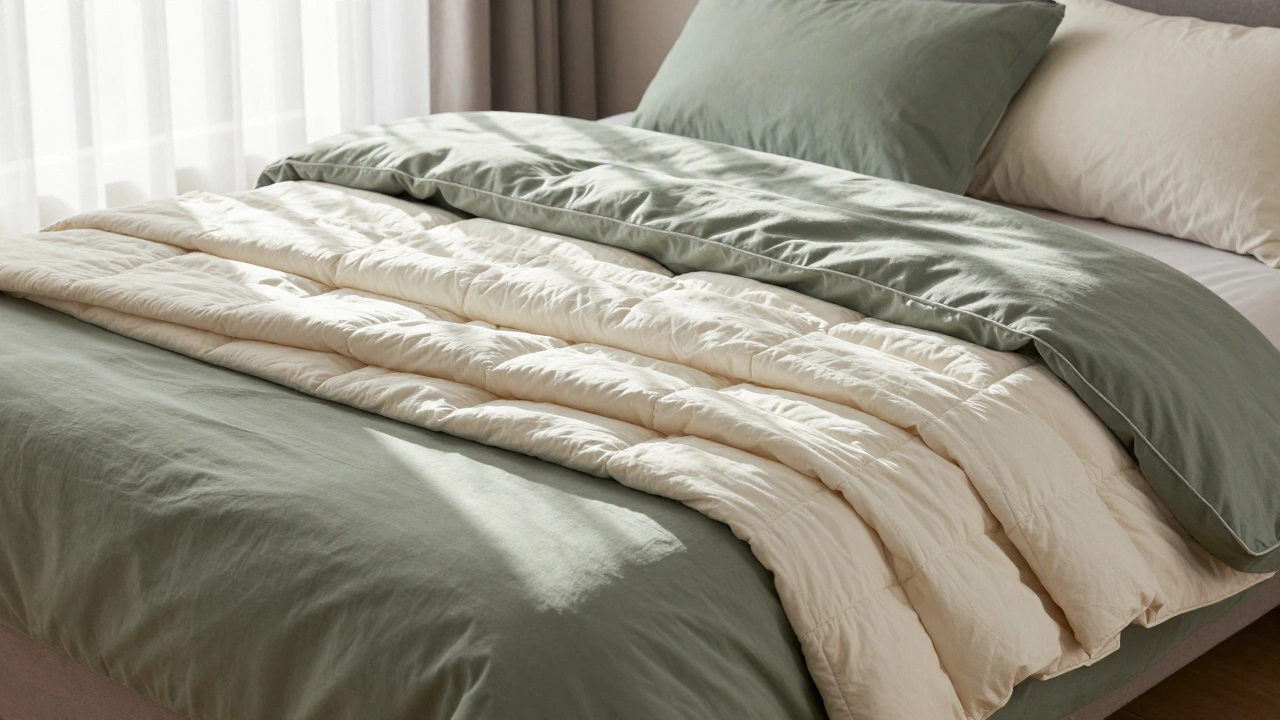
Why choose just one? Many sleep experts recommend a layered approach, often referred to as the "duvet system" or simply smart layering. This method allows you to adapt to changing temperatures without buying separate sets for every season.
Here is how to layer effectively:
- Base Layer: Start with fitted sheets and a flat sheet. These protect your mattress and skin.
- Middle Layer: Add a lightweight blanket or a thin quilt. This provides initial warmth and breathability.
- Top Layer: Place a comforter or duvet on top. This locks in the heat generated by your body and the middle layer.
This setup gives you control. If you get too hot, you can kick off the top comforter and still have the blanket. If you get cold, pull the comforter back over. It is the most versatile way to handle unpredictable weather patterns, especially in transitional seasons like spring and autumn.
Speaking of handling different needs and preferences, sometimes finding the right fit involves looking beyond the obvious options. Just as you might explore various resources to find exactly what suits your lifestyle, such as checking out this directory for specific local services, taking the time to research your bedding materials ensures you invest in something that truly meets your comfort requirements.
Material Guide: What Are They Made Of?
The material dictates not just warmth, but also weight, texture, and care requirements. Let's break down the common fabrics and fills you will encounter in stores.
| Material | Warmth Level | Breathability | Best For |
|---|---|---|---|
| Cotton | Low to Medium | High | Hot sleepers, summer use |
| Fleece (Polyester) | High | Low | Budget-friendly winter warmth |
| Wool | Medium to High | Medium | Temperature regulation, allergy sufferers |
| Down (Feathers) | Very High | High | Cold climates, luxury feel |
| Synthetic Fill | Medium to High | Low to Medium | Allergy sufferers, easy care |
If you have allergies, avoid natural down unless it is encased in a hypoallergenic shell. Synthetic fills like microfiber are great alternatives because they resist dust mites and mold. On the other hand, if you value sustainability, organic cotton or responsibly sourced wool are excellent eco-friendly choices that last for years.
Care and Maintenance Tips
How you clean your bedding affects its lifespan and hygiene. Sweat, dead skin cells, and dust accumulate in your bed every night. Neglecting to wash your covers can lead to skin irritation and poor sleep quality due to allergens.
For Blankets: Check the care label. Cotton and fleece blankets can usually be washed in warm water on a gentle cycle. Dry them on low heat to prevent shrinking. Wool blankets often require hand washing or professional cleaning to maintain their shape and softness.
For Comforters: Washing a comforter is a bigger job. Ensure your washing machine has enough capacity to allow the comforter to move freely. If it is crammed in, it won't get clean and could damage the machine. Use a mild detergent and rinse twice to remove all soap residue. Air drying is best for down comforters to preserve loft, while synthetic ones can tumble dry on low with dryer balls to fluff them up.
Regardless of the type, rotate your bedding weekly. This distributes wear and tear evenly and keeps things fresh. Consider using a duvet cover if you have a down comforter; it protects the expensive fill from stains and makes cleaning as simple as swapping the cover.
Final Thoughts on Your Sleep Setup
There is no single "correct" answer to whether you should sleep with a comforter or a blanket. It comes down to your personal thermoregulation, your home environment, and your maintenance preferences. If you want maximum warmth with minimal adjustment, a high-quality comforter is your friend. If you prefer the ability to tweak your temperature and easy laundry days, a stack of blankets might serve you better.
Experiment with layers. Try sleeping with just a blanket for a week, then switch to a comforter. Notice how you feel when you wake up. Do you toss and turn? Are you sweating? Or do you rise feeling rested and comfortable? Your body will tell you what it needs. Investing in the right bedding is investing in your health, so take the time to find the combination that lets you drift off effortlessly.
Is a comforter warmer than a blanket?
Generally, yes. A comforter is designed with trapped air pockets that provide superior insulation compared to a single-layer blanket. However, stacking two thick blankets can create even more warmth than a light comforter.
Can I put a blanket on top of a comforter?
Absolutely. This is a common layering technique. Placing a lighter blanket over a comforter adds an extra windbreak and helps lock in heat without adding significant weight. It is especially useful in very cold rooms.
What is the difference between a duvet and a comforter?
A duvet is a plain insert filled with down or synthetic fibers, meant to be used with a removable cover. A comforter is a finished product with decorative fabric on the outside and does not require a cover, though you can use one for protection.
Which is better for hot sleepers?
A lightweight cotton or linen blanket is best for hot sleepers. These materials are highly breathable and allow body heat to escape. Avoid heavy synthetic comforters or thick wool blankets if you tend to overheat at night.
How often should I wash my comforter?
You should wash your comforter every three to six months, depending on usage and whether you use a protective duvet cover. If you sweat heavily or have allergies, monthly washing is recommended.