
Sciatica Relief Strategy Planner
Use this tool to determine the best cushion type and sitting strategy based on your specific symptoms and pain levels.
That shooting pain down your leg is not just annoying; it is debilitating. If you are reading this, you probably know the feeling of sitting down only to be greeted by a sharp jolt that makes you want to jump back up. It is the hallmark of sciatica, a condition where the sciatic nerve becomes compressed or irritated. While medical treatment addresses the root cause, how you sit during the day plays a massive role in managing the pain. You do not need expensive surgery or complex physical therapy routines immediately. Sometimes, the simplest fix is changing what sits between you and your chair.
The goal here is simple: take the pressure off the nerve. When you sit on a flat surface, your body weight presses directly into the glutes and the tailbone (coccyx). This pressure can pinch the sciatic nerve as it exits the spine. By using the right support tools, specifically designed cushions, you can create a gap that relieves this compression. Let's look at exactly which tools work best and how to use them effectively.
Understanding the Mechanics of Relief
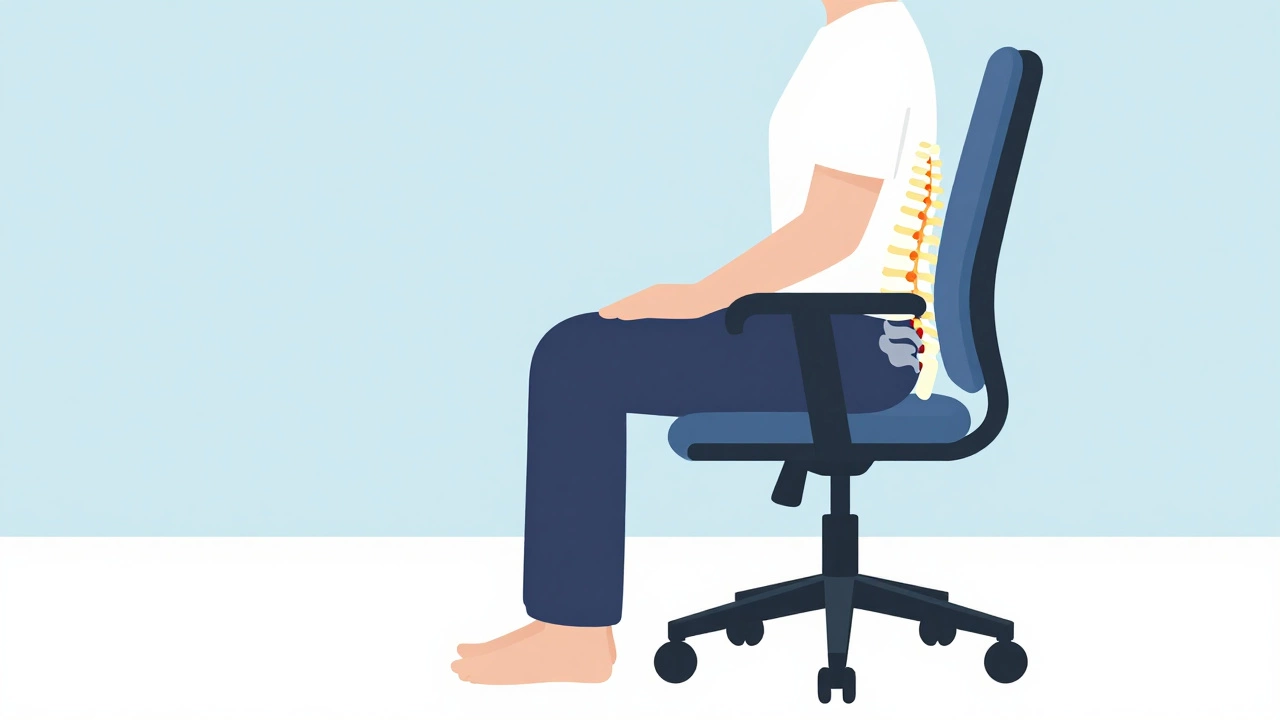
To stop the hurting, you first have to understand why it hurts when you sit. The sciatic nerve runs from your lower back through your hips and buttocks and down each leg. When you sit on a standard office chair or a soft couch, your pelvis tilts backward slightly. This position can narrow the space where the nerve exits the spinal column. Furthermore, direct pressure on the ischial tuberosities (your "sit bones") transmits force upward into the lower back.
The solution involves two main mechanical changes: offloading pressure from the tailbone and maintaining a neutral pelvic alignment. A good cushion does not just feel soft; it actively redistributes your weight. Instead of bearing down on one spot, your weight spreads across a larger area. Think of it like standing on ice versus standing on snowshoes. The snowshoes distribute your weight so you do not sink in. A proper ergonomic cushion acts as those snowshoes for your bottom.
Types of Cushions for Sciatica Relief
Not all pillows are created equal. Throwing a fluffy decorative pillow under you might feel nice for five minutes, but it lacks the structural integrity to keep your spine aligned. Here are the three main types of cushions that actually help with nerve pain:
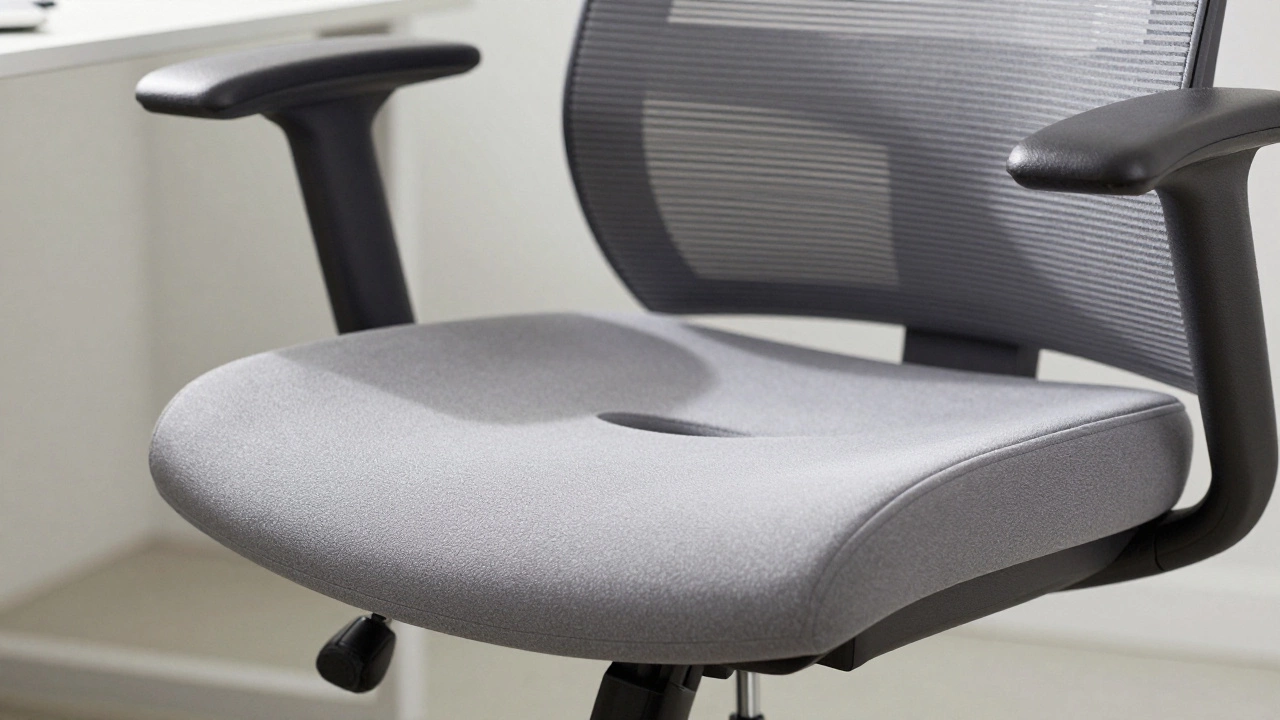
- Cutout (U-Shaped) Cushions: These feature a hole or U-shaped cutout at the back. This design ensures that your tailbone never touches the seat. It creates a literal void, removing all pressure from the most sensitive area. This is often the top recommendation for acute flare-ups.
- Wedge Cushions: These are triangular pads that tilt your pelvis forward slightly. This anterior pelvic tilt helps straighten out the lower back (lumbar spine), opening up the spaces between the vertebrae where the nerve roots exit. This is better for chronic posture issues.
- Memory Foam Contoured Cushions: These mold to your body shape. They provide even pressure distribution without a hard cutout. They are comfortable for long periods but may not offer the same immediate relief as a cutout style if your tailbone is extremely tender.
| Cushion Type | Best For | Material | Pros | Cons |
|---|---|---|---|---|
| Cutout (U-Shape) | Tailbone pain & acute sciatica | Firm foam or gel | Zero pressure on coccyx | Can feel unstable if too soft |
| Wedge | Poor posture & lower back strain | Dense memory foam | Aligns spine naturally | Does not relieve tailbone pressure directly |
| Contoured Memory Foam | General comfort & mild pain | Viscoelastic foam | Soft, molds to body | May flatten over time |
Choosing the Right Material and Density
When shopping for a cushion, the material matters more than the brand name. You want density, not fluff. Low-density foam will compress completely after an hour, leaving your nerves pinched again. Look for high-density memory foam or medical-grade gel inserts.
Gel cushions are particularly interesting because they dissipate heat. Sciatica sufferers often report a burning sensation along with the pain. Gel stays cooler than foam, which can provide a soothing effect. However, gel can be heavier and sometimes slides around more easily on smooth chair surfaces. If you choose gel, ensure it has a non-slip bottom layer.
Memory foam is the gold standard for support. It offers resistance, meaning it pushes back against your weight rather than collapsing. This resistance is crucial for keeping the cutout or wedge shape effective throughout the day. Check the firmness rating if available; medium-firm is usually the sweet spot for nerve decompression.
Proper Usage Techniques
Buying the right cushion is only half the battle. Using it incorrectly can negate the benefits. Here is how to maximize relief:
- Positioning is Key: If you have a cutout cushion, place it so the hole aligns perfectly with your tailbone. You should not feel any pressure in the center of the cutout. If you do, move the cushion forward or backward until the pressure is gone.
- Sit Back, Not Forward: Many people perch on the edge of their seats. This increases pressure on the lower back. Sit all the way back into the chair so your weight is distributed evenly across the cushion.
- Feet Flat on the Floor: Ensure your feet are flat on the ground or on a footrest. If your legs dangle, it pulls on the pelvis and aggravates the sciatic nerve. Your knees should be at a 90-degree angle or slightly lower than your hips.
- Limit Sitting Time: Even the best cushion cannot save you from sitting for eight hours straight. Stand up every 30 to 45 minutes. Walk around for two minutes. This resets the pressure on your discs and nerves.
Complementary Tools for Home Relief
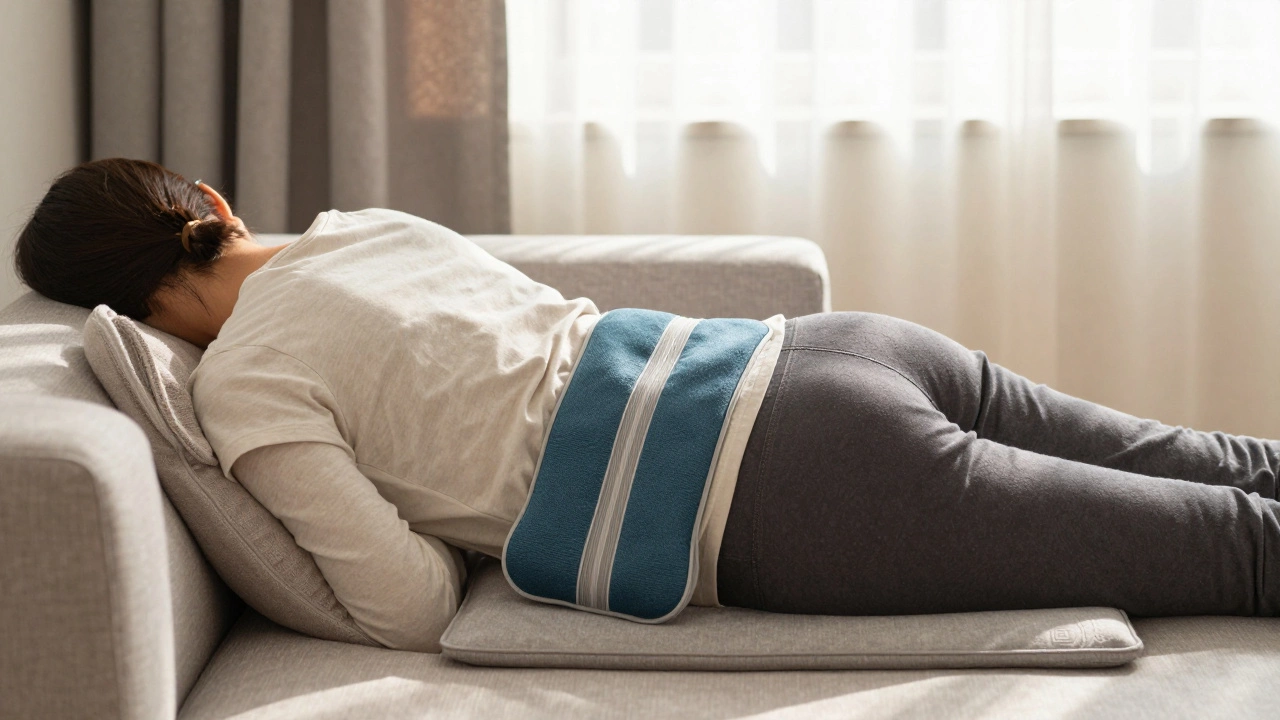
A cushion is a tool, not a cure. To truly manage sciatic pain at home, combine your seating strategy with other low-cost interventions. One highly effective method is using a heating pad applied to the lower back before sitting. Heat increases blood flow and relaxes tight muscles that may be contributing to the nerve compression. Apply heat for 15-20 minutes before you start your workday.
Another useful addition is a lumbar roll. If your chair lacks lower back support, a small rolled towel or a dedicated lumbar cushion placed in the curve of your spine can maintain the natural lordotic curve. This works in tandem with your seat cushion to keep the entire spinal column aligned.
For nighttime relief, consider sleeping with a pillow between your knees if you sleep on your side, or under your knees if you sleep on your back. This keeps the pelvis neutral while you rest, preventing morning stiffness.
When to Seek Professional Help
While cushions and posture adjustments can significantly reduce pain, they are symptomatic treatments. If you experience numbness in both legs, loss of bladder or bowel control, or severe weakness in the foot (foot drop), seek immediate medical attention. These are signs of cauda equina syndrome, a rare but serious condition requiring emergency care.
For persistent pain lasting more than a few weeks, consult a physical therapist. They can assess whether your sciatica is caused by a herniated disc, piriformis syndrome, or spinal stenosis. Each of these conditions responds differently to treatment. A physical therapist can also teach you specific stretches, such as the piriformis stretch or knee-to-chest stretch, that complement the relief provided by your ergonomic cushion.
Which cushion is best for sciatica?
A cutout (U-shaped) cushion made of high-density memory foam is generally considered the best option. The cutout removes direct pressure from the tailbone and sciatic nerve, while the dense foam provides necessary support without collapsing.
Can sitting make sciatica worse?
Yes, prolonged sitting, especially on hard or unsupportive surfaces, can increase pressure on the lower back and irritate the sciatic nerve further. Taking frequent breaks and using an ergonomic cushion can mitigate this risk.
Should I use a hard or soft cushion for sciatica?
You should use a medium-firm cushion. Soft cushions compress too much and fail to maintain proper alignment, while overly hard cushions can cause discomfort. Medium-firm foam offers the balance of comfort and structural support needed to relieve nerve pressure.
How long should I sit on a sciatica cushion?
You can sit on a sciatica cushion for extended periods, but it is still important to stand up and move every 30 to 45 minutes. No cushion can completely eliminate the risks associated with sedentary behavior.
Does a wedge cushion help with sciatica?
Yes, a wedge cushion can help by tilting the pelvis forward, which encourages a natural curve in the lower back. This can reduce strain on the lumbar spine and alleviate pressure on the sciatic nerve, particularly if poor posture is a contributing factor.