

Couch Refoam vs. New Sofa Calculator
Your Situation
Recommendation
Based on your inputs, repairing your current sofa is significantly cheaper than buying new while preserving the frame's sentimental value.
Est. Refoam Cost
Est. New Sofa
Enter your details to see if you should replace cushions or buy new.
Your sofa is the heart of your living room. It’s where you watch movies, read books, and host guests. But what happens when that plush comfort turns into a hard, lumpy surface that sags in the middle? You’re not alone. Most sofas lose their structural integrity within five to eight years. The question isn’t just about aesthetics; it’s about whether investing in new **couch cushions** saves you money compared to buying an entirely new sofa.
Replacing cushions is rarely a simple swap-out job. It involves assessing the frame, choosing the right density foam, and deciding between professional upholstery and a DIY approach. This guide breaks down the costs, materials, and labor involved so you can make a smart decision for your home in Bristol or anywhere else.
The Anatomy of a Sagging Sofa
Before spending a penny, you need to understand why your sofa feels uncomfortable. A typical sofa seat consists of three layers: the base support (webbing or springs), the primary support layer (high-density foam or sinuous springs), and the comfort layer (soft foam, fiberfill, or down). When a sofa sags, it’s usually because the high-density foam has compressed beyond its recovery point or the webbing underneath has stretched out.
Sofa Foam Density is a critical metric measuring how much mass exists in a cubic foot of foam. Standard residential foam ranges from 1.8 PCF to 2.5 PCF. Higher density means longer lifespan but higher cost.
If the frame is broken or the webbing is snapped, replacing the cushions won’t fix the problem. You’ll need to repair the foundation first. However, if the frame is solid and only the foam has degraded, replacement is highly viable. Check the underside of your sofa. If you see sagging fabric or broken wooden slats, call a professional carpenter or upholsterer. If the structure looks fine but the seats are flat, you’re looking at a cushion replacement project.
Cost Comparison: Refoaming vs. Buying New
This is the most common question people ask. In the UK market, a decent mid-range sofa costs between £800 and £2,500. Replacing the foam and fabric for a standard three-seater typically costs between £300 and £600 depending on the materials. That’s a potential saving of 40% to 70%. But there are hidden costs.
| Item | Refoaming/Reupholstering | New Mid-Range Sofa |
|---|---|---|
| Base Cost | £300 - £600 | £800 - £2,500 |
| Labor Time | 1-2 days | Immediate delivery |
| Customization | High (any fabric/color) | Low (limited options) |
| Environmental Impact | Low (reuses frame) | High (manufacturing waste) |
| Lifespan Extension | 5-10 years | 5-10 years |
Consider the emotional value too. If your sofa is a vintage piece or holds sentimental value, refitting it preserves that history. Also, think about sustainability. Throwing away a solid hardwood frame contributes significantly to landfill waste. Reusing the frame is one of the most eco-friendly choices you can make in home furnishing.
Choosing the Right Foam
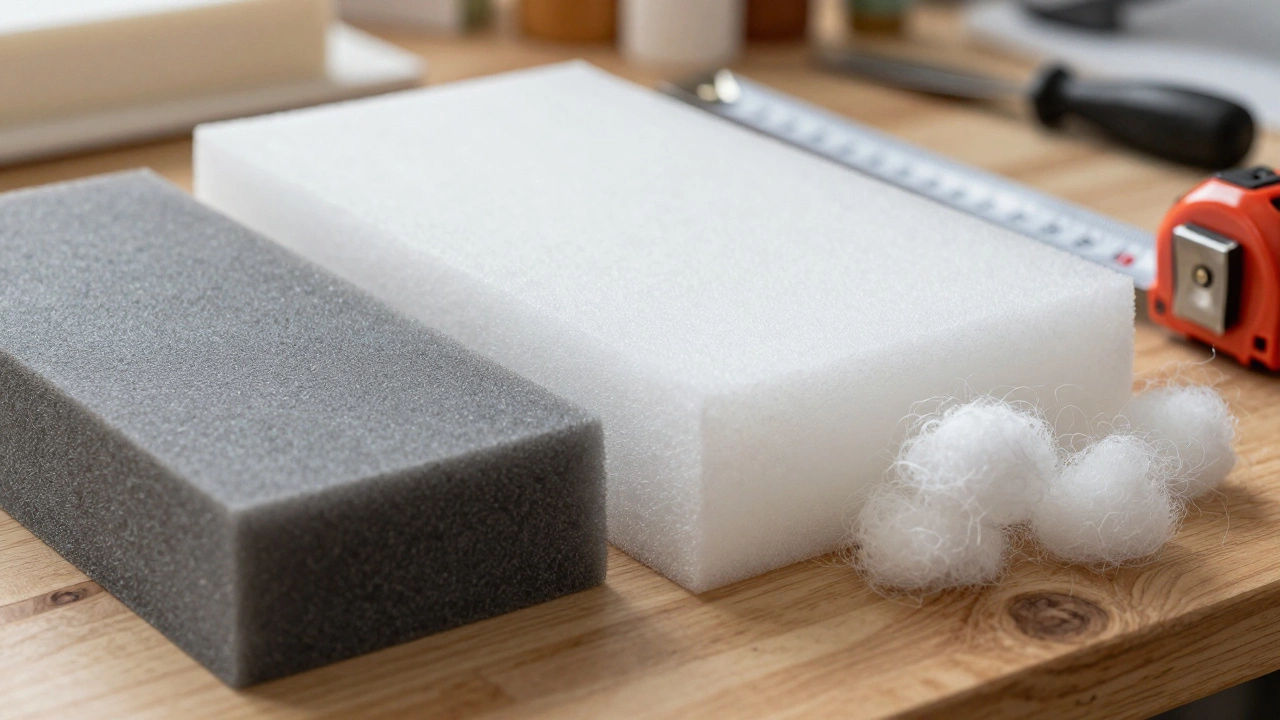
Not all foam is created equal. When you replace cushions, you have a chance to upgrade the comfort level. Here are the main types you’ll encounter:
- High-Density Polyurethane Foam: This is the industry standard for durability. Look for a density of at least 1.8 pounds per cubic foot (PCF). It resists sagging and lasts longer than cheaper alternatives.
- Memory Foam: Popular for its contouring feel. It’s great for pressure relief but can retain heat. Use it as a top layer over high-density foam, not as the sole support.
- Fiberfill: Often used as a topping layer. It gives that cloud-like softness but compresses quickly. Never use fiberfill as the primary support structure.
- Down Feathers: Luxurious and moldable, but requires frequent fluffing. Best mixed with foam for stability.
A pro tip: Ask for "resilient foam" or "HR foam" (High Resilience). It bounces back faster than standard polyurethane and maintains its shape better under constant weight. For a family sofa, stick to 2.0+ PCF density. For occasional use, 1.5 PCF might suffice.
DIY vs. Professional Upholstery
Can you do this yourself? Yes, but it depends on your skill level and the complexity of the sofa. Simple slip-on covers are easy. Removing old foam, cutting new foam to size, and sewing custom covers is another story.
When to DIY: If your sofa has removable covers that zip off, you can buy pre-cut foam inserts online. Measure the existing foam carefully-length, width, and thickness. Order foam cut to those exact dimensions. Then, either reuse the old covers if they’re in good condition or buy generic slipcovers. This route costs less than £100 in materials.
When to Hire a Pro: If the fabric is stapled directly to the frame, or if the cushions have complex shapes (like tufted buttons or piping), hire an upholsterer. They have the tools to remove staples without damaging the wood, cut foam precisely, and sew durable covers that match the original style. In Bristol, local upholstery shops often offer free quotes. Get at least three estimates.
Step-by-Step: Assessing Your Sofa
- Check the Frame: Lift the sofa (with help) and look underneath. Tap the wood. It should sound solid, not hollow. Look for cracks or loose joints.
- Inspect the Webbing: Sit on the sofa and press down firmly. Does the webbing stretch or snap? If it sags more than an inch, it needs tightening or replacement.
- Measure the Old Foam: Remove the cushion covers. Measure the foam blocks. Note any irregularities like beveled edges.
- Evaluate the Fabric: Is the current fabric worn, stained, or fading? If yes, budget for new fabric. If no, you might save money by reusing it.
- Get Quotes: Contact two local upholsterers. Provide them with photos and measurements. Ask specifically about foam density options.
Maintaining Your New Cushions
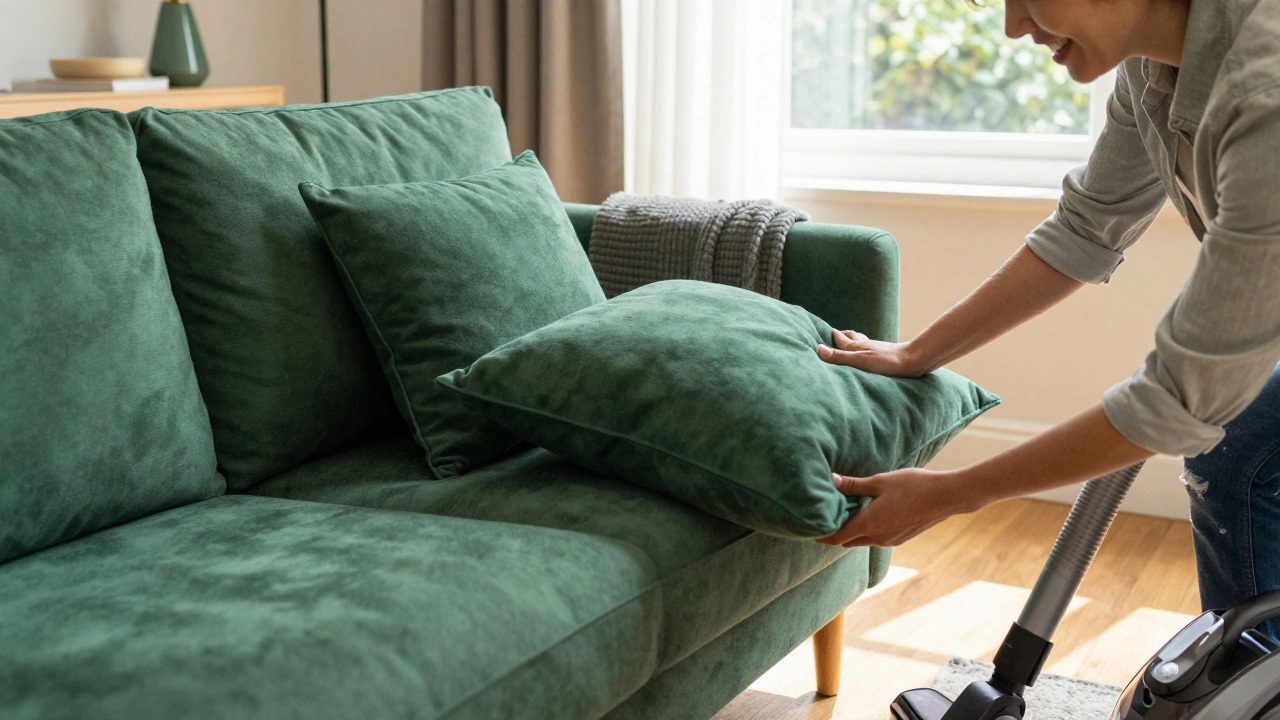
Once you’ve invested in new cushions, keep them comfortable longer. Rotate them every month to ensure even wear. Vacuum the fabric regularly to prevent dust mites from degrading the fibers. Avoid sitting in the same spot every day. If you have pets, use washable throws to protect the fabric from claws and fur.
Also, consider adding a thin layer of Dacron batting between the foam and the fabric cover. This creates a smoother transition and prevents the foam from showing through the fabric over time. It’s a small addition that makes a big difference in longevity.
How long do replaced couch cushions last?
With high-density foam (1.8+ PCF), replaced cushions can last 7 to 10 years. Lower density foams may start sagging in 3 to 5 years. Regular rotation and maintenance extend their life further.
Can I put memory foam in my sofa cushions?
Yes, but use it as a top layer only. Memory foam lacks the structural support needed for a sofa base. Combine it with high-density polyurethane foam for both comfort and durability.
Is it cheaper to refoam or buy a new sofa?
Refoaming is usually 40-70% cheaper than buying a new mid-range sofa. However, if the frame is damaged, repair costs can rise, making a new sofa more economical.
How do I measure my sofa cushions for replacement?
Remove the covers and measure the length, width, and height of the foam blocks. Measure at multiple points to account for uneven compression. Add half an inch to each dimension if you want a plumper look.
What is the best foam density for a sofa?
For daily use, aim for 1.8 to 2.5 PCF (pounds per cubic foot). Higher density offers better support and longer lifespan. For occasional guest sofas, 1.5 PCF is acceptable.