
Find Your Perfect Window Solution
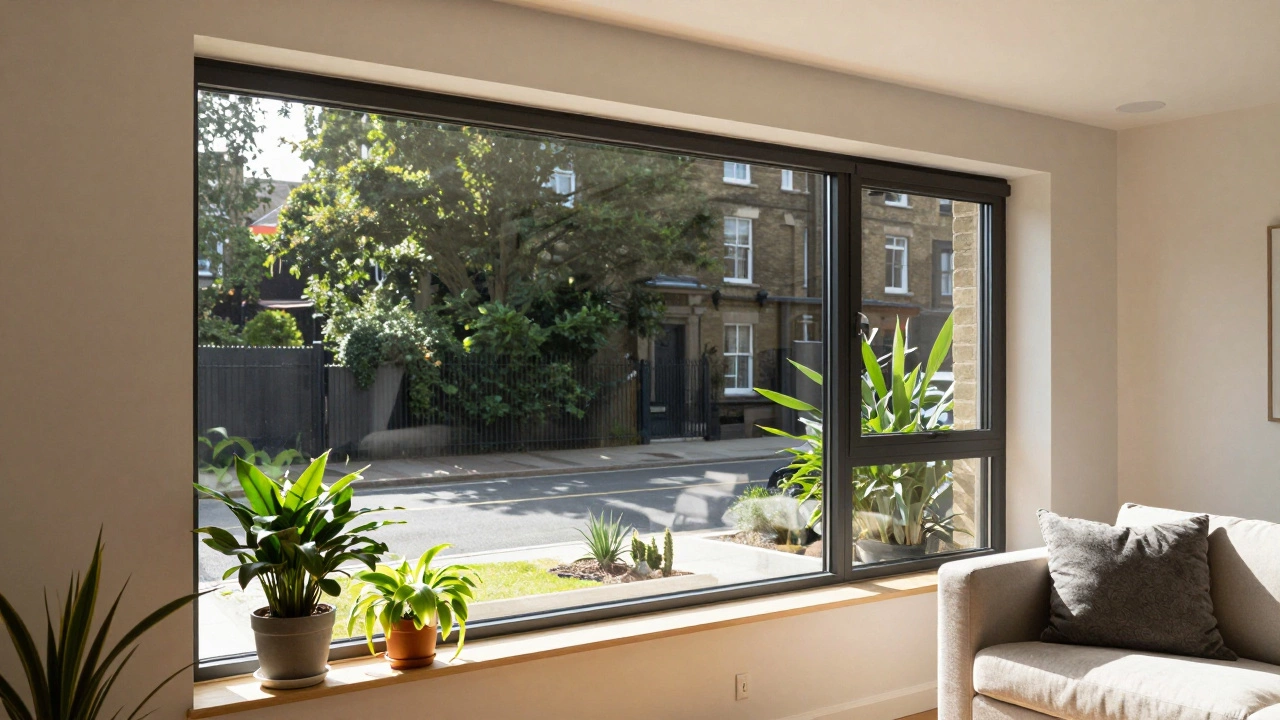
You know the feeling. It’s a bright afternoon in Bristol, and you want to check on your plants or just enjoy the view of the street without feeling like everyone is peering into your living room. You pull back the blinds, but suddenly you’re exposed. Close them again, and you’re stuck in a dark box. What if there was a middle ground? A way to look out freely while keeping prying eyes at bay?
The short answer to "what do you call curtains you can see out but not in" is **one-way vision curtains** or **privacy window film**. However, it is crucial to understand that true "one-way" visibility is actually an optical illusion created by light balance, not magic. If you use the wrong product, you might find yourself staring at a mirror inside your own home when the sun goes down.
How One-Way Visibility Actually Works
To get this right, we need to talk about physics for a second. The term "one-way" is a bit of a misnomer. These products are technically called Solar Control Film is a thin layer applied to glass that reflects sunlight and reduces glare while allowing some visibility from the darker side.
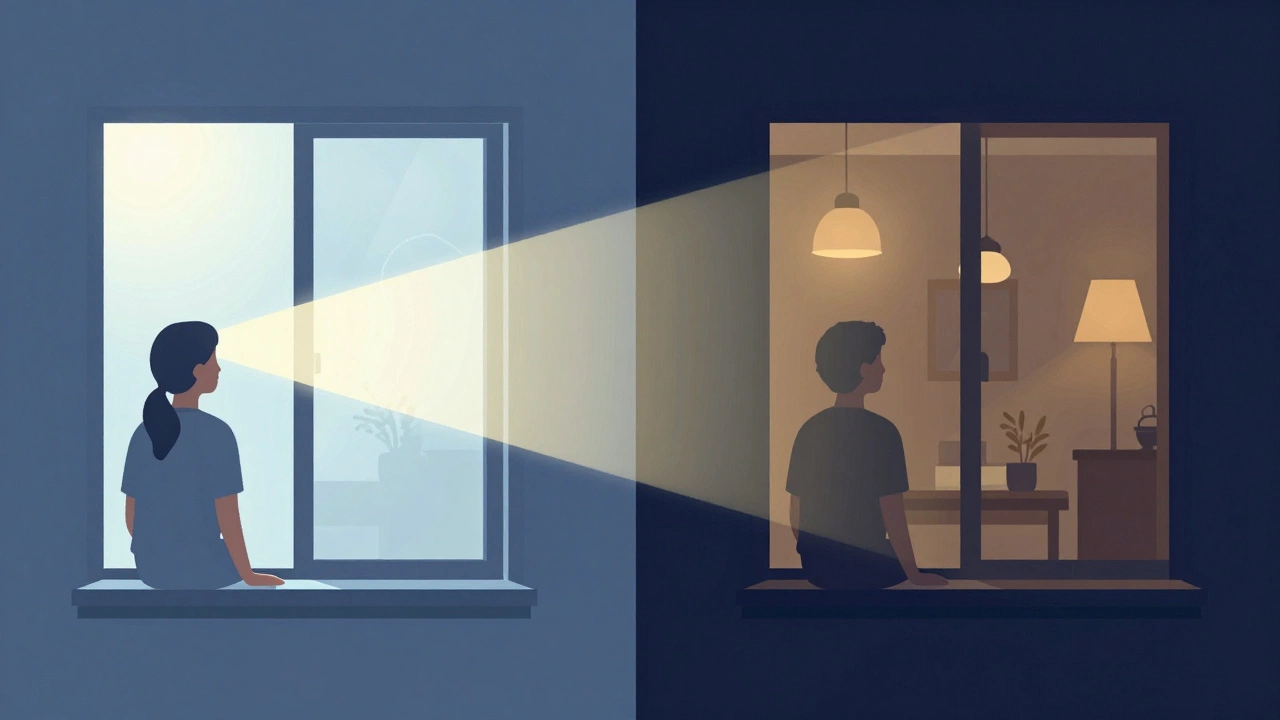
Think of it like a two-way mirror in a police interrogation room. The trick isn’t the glass itself; it’s the lighting. The side that is brighter acts as a mirror, reflecting light back. The side that is darker allows light to pass through, letting people on that side see out. For your windows, this means during the day, the outside is brighter than your interior, so outsiders see a reflection, and you see out. But once night falls and you turn on your lamps, the dynamic flips. Now, your house is the bright side, and anyone outside can see in clearly.
This is why understanding the difference between reflective film and frosted film is vital before you buy anything. Reflective film gives you that mirrored look from the outside. Frosted or textured film scatters light, creating privacy without the mirror effect, but it usually blocks your view entirely from both sides.
The Best Products for Daytime Privacy
If your main goal is to see out during the day while maintaining privacy, here are the three most effective options available in the UK market right now.
| Product Type | View From Inside (Day) | Privacy Level (Outside) | Best For |
|---|---|---|---|
| Reflective Window Film | Clear to slightly tinted | High (Mirror effect) | Ground floor flats, street-facing rooms |
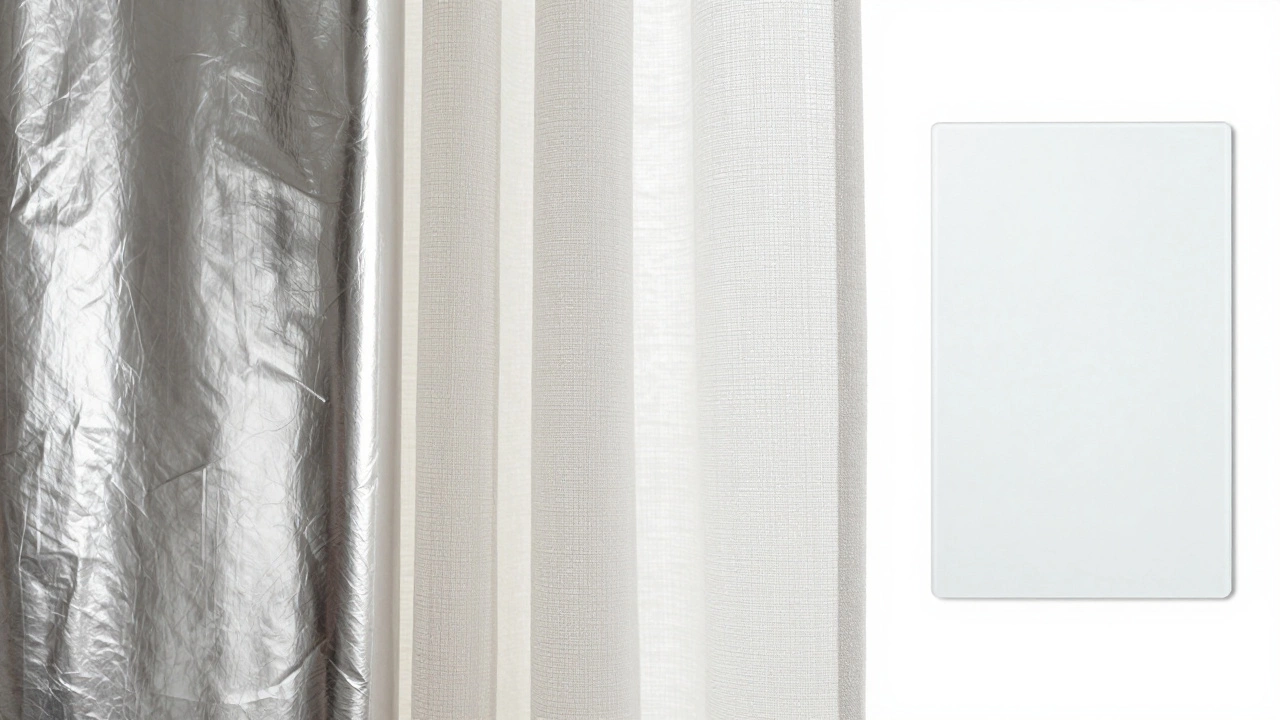
| Light Filtering Drapes | Softened, diffused | Medium (Shapes visible) | Bedrooms, living areas with natural light |
| Smart Glass (PDLC) | Crystal clear (when off) | Adjustable (Frosts when on) | Bathrooms, modern offices, high budgets |
1. Reflective Window Film
This is the closest thing to the "magic" curtain you are imagining. It looks like a mirror from the outside during daylight hours. You can apply it directly to your existing glass. It cuts down on heat and UV rays too, which is great for keeping your Bristol home cool in the summer. Just remember the night rule: if you leave your lights on, you lose the privacy.
2. Light Filtering Sheers
If you prefer fabric over plastic, look for Sheer Curtains is thin, translucent fabric that diffuses light and obscures details while maintaining some outward visibility. High-quality sheers made from linen or cotton blends allow you to see shapes and movement outside, but they blur the details enough that neighbors can’t make out what you are doing. They don’t create a mirror effect, but they provide a soft, elegant privacy barrier.
3. Blackout Curtains with a Liner Trick
Here is a pro tip for those who want total control. Install standard blackout curtains, but add a sheer liner behind them. During the day, open the heavy blackout layers and close the sheer liner. This gives you that diffused, private-but-visible look. At night, close the blackout layer completely for total darkness and security.
Common Mistakes to Avoid
I’ve seen many homeowners frustrated because their new "private" windows didn’t work as expected. Here is how to avoid those pitfalls.
- Ignoring the Night Problem: As mentioned, one-way film fails at night. If you live on a busy street in Bristol where cars park right up to your window, consider adding a secondary solution like a blind or thick drape for evening use.
- Choosing the Wrong Tint: Darker tints offer more privacy but reduce your view. Aim for a Visible Light Transmission (VLT) of around 40-50% for a good balance. Anything lower will make your room feel cave-like.
- DIY Application Errors: Applying window film requires patience. Dust particles trapped under the film create bubbles that ruin the effect. If you aren’t handy, hire a professional installer. It’s worth the extra £50-£100 to ensure it lasts.
Is Smart Glass Worth the Investment?
For those who want the ultimate flexibility, PDLC Smart Glass is Polymer Dispersed Liquid Crystal technology that switches from transparent to opaque instantly with electricity. This isn’t a curtain or a film you stick on; it’s a replacement for your glass pane. When the power is on, it’s clear. When you flip a switch, it turns milky white and opaque.
It’s expensive-often costing thousands per window-but it solves the night-time visibility issue completely. You can have a clear view during the day and instant privacy at night without fumbling with cords. It’s becoming more popular in modern Bristol renovations, especially for bathrooms or ground-floor living spaces facing public gardens.
Making the Right Choice for Your Home
So, what should you pick? It depends on your specific needs.
If you are on a budget and mostly care about daytime privacy, go with reflective window film. It’s cheap, easy to install, and effective. If you want a softer, more decorative look, invest in high-quality sheer curtains. And if money is no object and you want high-tech convenience, look into smart glass.
Remember, no single product gives you perfect one-way vision 24/7. The key is combining solutions. Use film for the day, and simple blinds or curtains for the night. This layered approach ensures you always have the view you want, without ever sacrificing your privacy.
Can I see out through reflective window film at night?
No. Reflective film relies on the outside being brighter than the inside. At night, when your interior lights are on, the film acts like a window, allowing people outside to see in. To maintain privacy at night, you must close blinds or curtains.
What is the best fabric for privacy curtains?
For maximum privacy, choose heavy fabrics like velvet, silk, or lined cotton. These materials block light completely. If you want some light but still privacy, look for "blackout liners" sewn into the back of lighter fabrics.
Does window film damage my glass?
Generally, no. High-quality films are safe for most residential glass. However, if you have older, single-pane glass or tempered glass, consult a professional first, as removing old film can sometimes be tricky or affect warranties.
How long does window film last?
A professionally installed, high-quality solar control film typically lasts between 10 to 15 years. Cheaper DIY kits may start to bubble, peel, or discolor after 3 to 5 years.
Are smart glass windows energy efficient?
Yes. PDLC smart glass often includes low-E coatings that help insulate your home, reducing heat loss in winter and heat gain in summer. While the initial cost is high, the energy savings over time can be significant.