
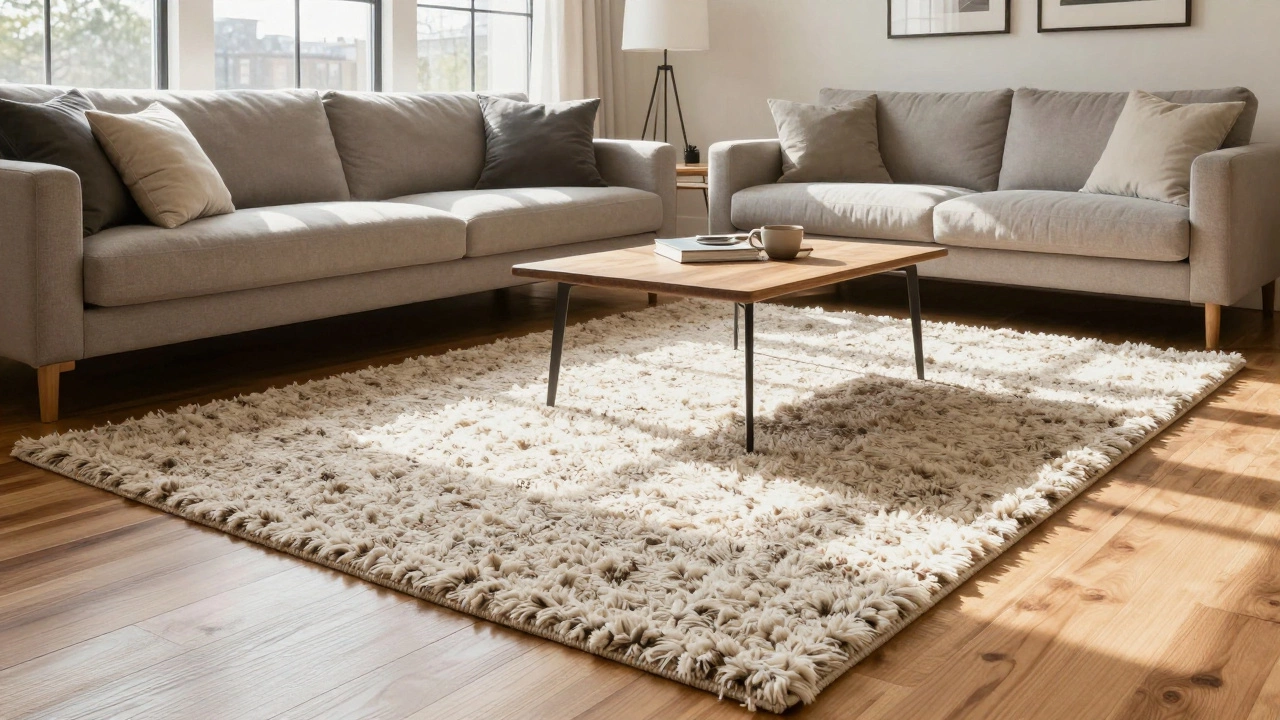
Rug Size & Placement Visualizer
Configuration
Walk into any living room in Bristol, and you’ll likely see a rug anchoring the sofa. But what exactly is a rug? It’s not just a piece of fabric on the floor. A rug is a distinct type of floor covering that is movable, usually smaller than wall-to-wall carpeting, and serves both functional and decorative purposes. While the word might seem simple, the world of rugs involves specific materials, construction methods, and cultural histories that define how we use them today.
Understanding what a rug is helps you choose the right one for your space. Whether you are looking to add warmth to a cold tile floor or define a seating area in an open-plan house, knowing the basics prevents costly mistakes. Let’s break down the definition, types, and practical uses of rugs so you can make informed decisions for your home.
The Definition: What Exactly Is a Rug?
At its core, a rug is a textile floor covering consisting of an upper layer of pile or tufted yarns attached to a backing. Unlike carpet, which is often glued or stretched over tack strips to cover an entire room, a rug is loose-laid. This means it can be rolled up, moved, or replaced without major renovation work.
The distinction between a rug and a carpet often comes down to size and installation. If it covers the whole floor from wall to wall and is fixed in place, it’s carpet. If it sits on top of the existing floor and defines a specific zone, it’s a rug. However, there are exceptions. Large Persian carpets, for instance, are technically rugs because they are woven pieces meant to be displayed, even if they span a large area.
Is there a difference between a rug and a carpet?
Yes. The main difference is installation and size. Carpet is typically wall-to-wall and permanently installed, while a rug is a loose-laid, movable floor covering that usually covers only part of a room.
Types of Rugs: From Woven to Tufted
Not all rugs are made the same way. The construction method affects durability, texture, and price. Understanding these types helps you identify quality when shopping.
- Hand-knotted Rugs are the most durable and valuable type, where each knot is tied individually by hand around the warp threads. These can last generations and are often considered art pieces.
- Hand-tufted Rugs are made using a tufting gun to push yarn through a canvas backing. They are faster to produce than hand-knotted rugs but still offer high quality and softness.
- Machine-woven Rugs are produced on industrial looms. They are affordable, consistent in pattern, and widely available, making them popular for budget-conscious buyers.
- Flat-weave Rugs (like Kilims) have no pile. The weft threads are woven tightly across the warp, creating a flat surface. These are lightweight, easy to clean, and great for high-traffic areas.
If you have pets or young children, a flat-weave or low-pile machine-woven rug might be more practical than a high-pile hand-knotted piece, which can trap hair and stains.
Materials Matter: Natural vs. Synthetic Fibers
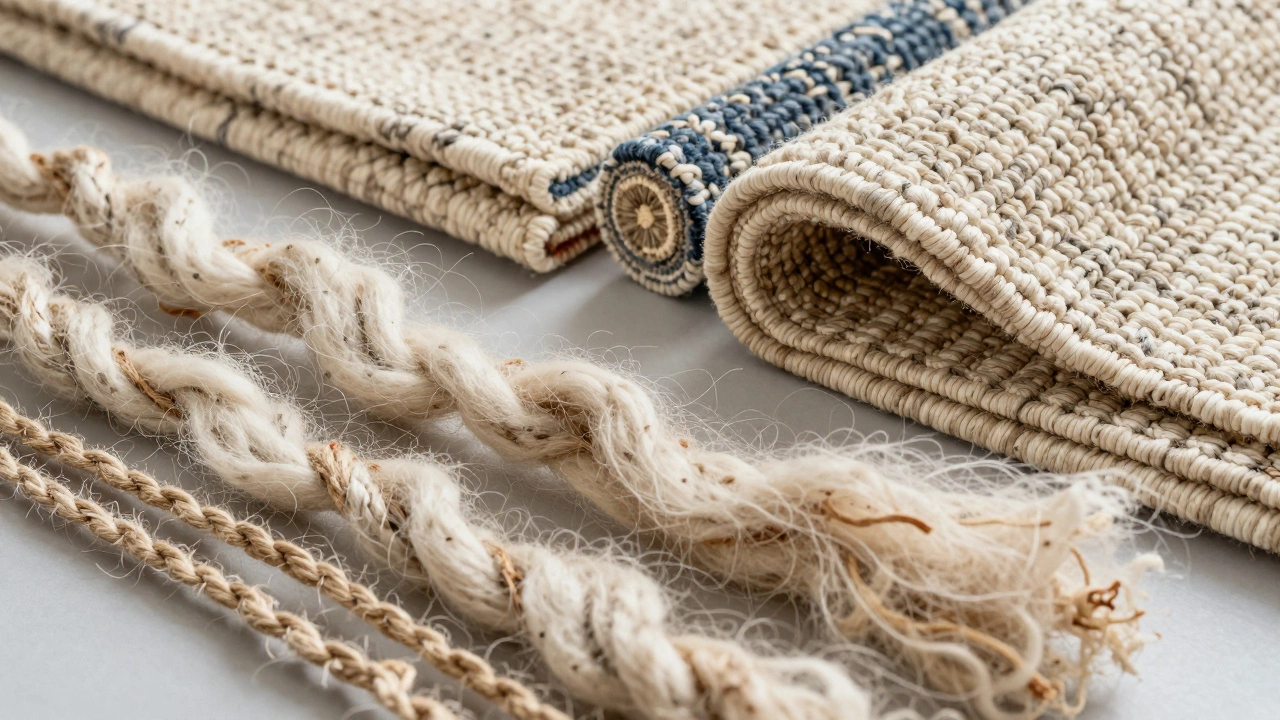
The fiber used in a rug determines its feel, longevity, and maintenance needs. Here are the most common materials you’ll encounter:
| Material | Durability | Softness | Best For |
|---|---|---|---|
| Wool | High | Medium-High | Living rooms, bedrooms; natural stain resistance |
| Cotton | Medium | Low-Medium | Kitchens, bathrooms; easy to wash |
| Polypropylene (Olefin) | High | Low | High-traffic areas, outdoor spaces; stain-resistant |
| Silk | Low | Very High | Low-traffic formal areas; luxurious sheen |
| Jute/Sisal | High | Low | Eco-friendly homes; adds texture and warmth |
Wool is often the gold standard for indoor rugs because it naturally repels dirt and resists crushing. Synthetic fibers like polypropylene are excellent for kitchens or entryways where spills happen frequently. Natural fibers like jute add rustic charm but can be slippery and harder to clean if wet.
Functional Uses: Why Do We Need Rugs?
Rugs do more than look good. They serve several practical functions in a home:
- Acoustic Control: Hard floors like wood or tile reflect sound, causing echoes. A thick rug absorbs noise, making a room feel quieter and more intimate.
- Thermal Insulation: Rugs add a layer of insulation between the cold floor and your feet. In colder climates, this can reduce heating costs slightly by preventing heat loss through the floor.
- Furniture Anchoring: In open-plan spaces, rugs help define different zones. A dining rug separates the eating area from the living area, guiding foot traffic and organizing the layout.
- Safety: Rugs provide traction, reducing the risk of slipping on smooth surfaces. This is especially important for elderly residents or households with small children.
- Protection: Area rugs protect expensive hardwood or stone floors from scratches, dents, and wear caused by furniture legs and foot traffic.
Think about your daily routine. If you spend hours sitting on the floor with kids, a soft, cushioned rug is essential. If you entertain guests often, a durable, stain-resistant rug will save you stress during parties.
Choosing the Right Size and Shape
One of the biggest mistakes people make is buying a rug that’s too small. A tiny rug in a large room looks awkward and fails to anchor the furniture properly. Here’s a quick guide to sizing:
- Living Room: All front legs of sofas and chairs should rest on the rug. This creates a cohesive seating area.
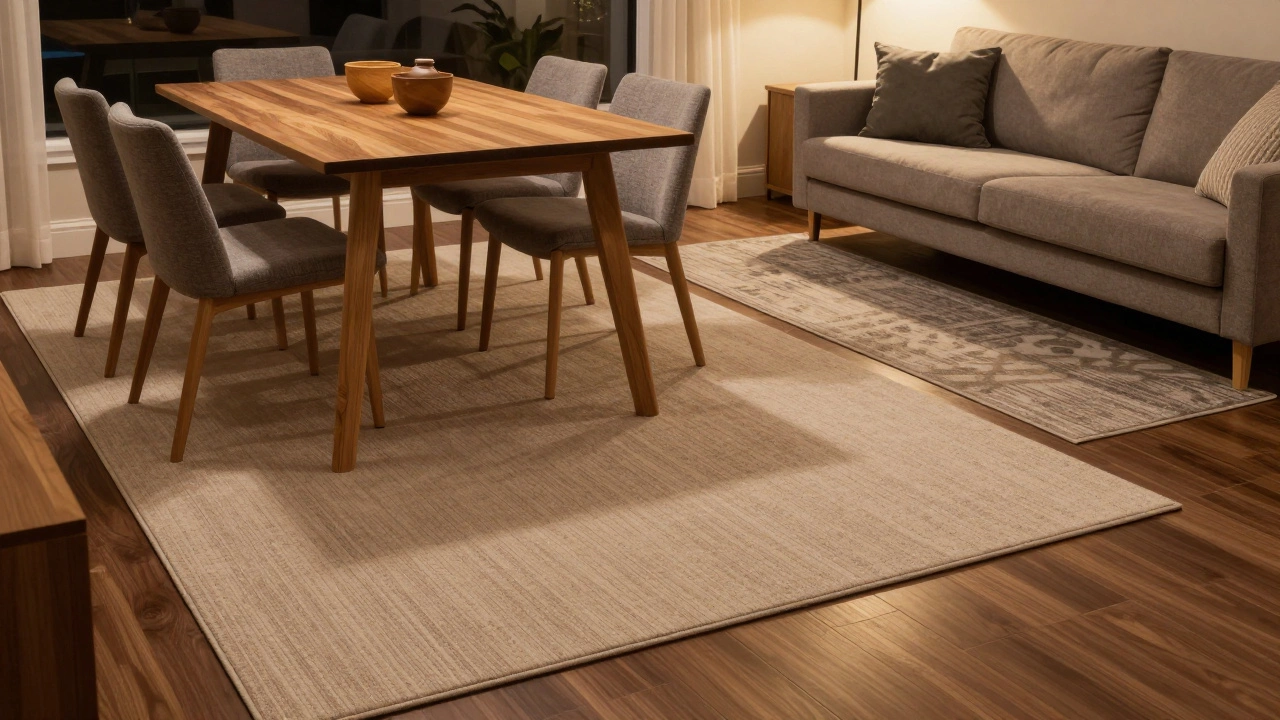
- Dining Room: The rug should extend at least 24 inches beyond the table edge. This ensures chairs stay on the rug when pulled out for sitting.
- Bedroom: Use two runners on either side of the bed, or one large rug that extends 18-24 inches beyond the sides and foot of the bed.
- Hallways: Runners should fit the width of the hallway with 2-6 inches of floor showing on each side.
Shape also matters. Rectangular rugs suit most traditional layouts, while round rugs can soften angular rooms and create focal points under coffee tables or dining sets.
Maintenance and Care Tips
To keep your rug looking new, regular care is essential. Vacuuming once or twice a week removes dust and grit that can cut fibers over time. For deeper cleaning, professional steam cleaning every 12-18 months is recommended for wool rugs, while synthetic rugs may need less frequent deep cleaning.
Always address spills immediately. Blot-don’t rub-the liquid with a clean cloth. Using a rug pad underneath not only protects the floor but also extends the life of the rug by reducing friction and providing cushioning.
How often should I clean my rug?
Vacuum high-traffic areas weekly and other areas bi-weekly. Professional deep cleaning should be done every 12 to 18 months depending on usage and material.
Are rugs hard to maintain?
Not necessarily. Synthetic rugs like polypropylene are very easy to clean and stain-resistant. Wool requires more care but offers natural resilience. Flat-weave rugs are generally low-maintenance.
Can I put a rug on laminate flooring?
Yes, but use a non-slip rug pad designed for laminate to prevent scratching and slipping. Avoid pads with rubber or latex backings that can discolor the floor.
What is the best rug for pet owners?
Synthetic fibers like polypropylene or nylon are best for pet owners because they resist stains, odors, and shedding. Low-pile styles are easier to vacuum and don’t trap pet hair as much.
Do rugs add value to a home?
While rugs themselves don’t significantly increase resale value, well-chosen rugs enhance the aesthetic appeal of a home, making it more attractive to potential buyers. High-quality antique rugs can be valuable assets on their own.
Final Thoughts on Choosing Rugs
A rug is more than just decor; it’s a functional element that shapes how you experience your home. By understanding the types, materials, and sizes, you can select a rug that fits your lifestyle and space perfectly. Whether you prioritize luxury, durability, or ease of cleaning, there’s a rug out there that meets your needs. Take your time, measure carefully, and consider how the rug will integrate with your existing furniture and flooring.