
Rug Construction & Value Analyzer
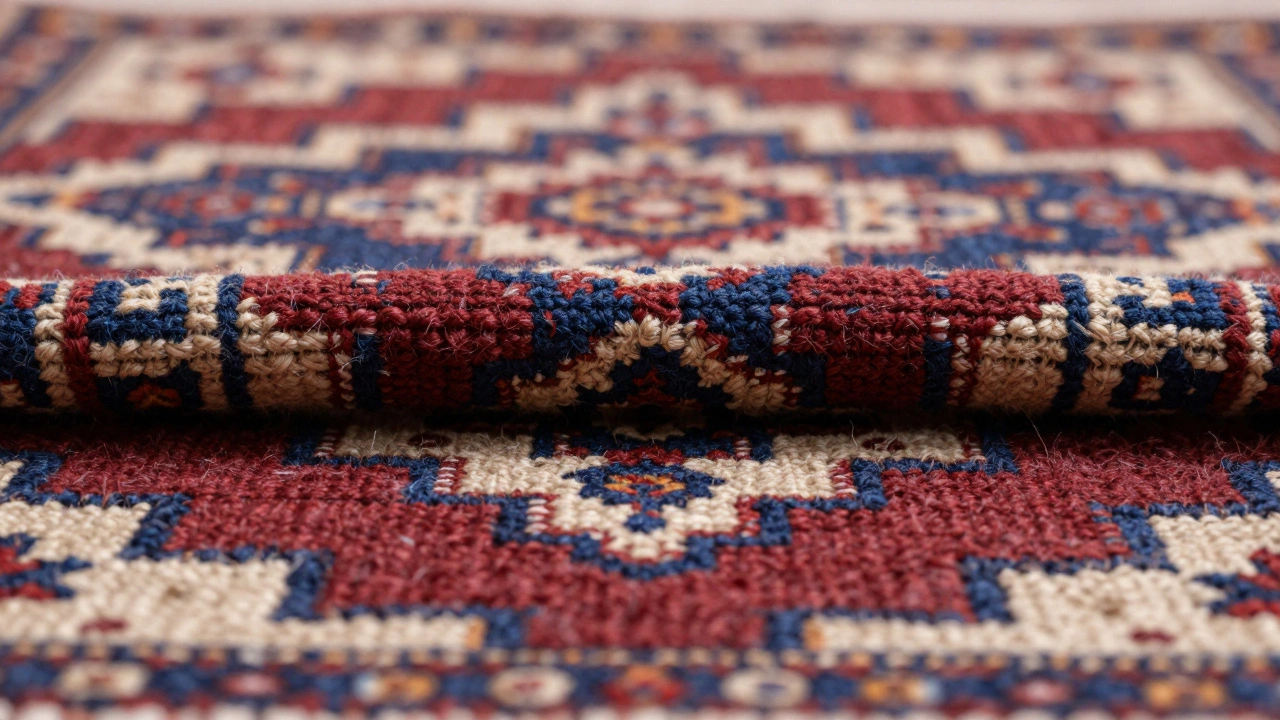
Hand-Knotted
Back looks like front (mirrored pattern). Rough texture. No glue visible.
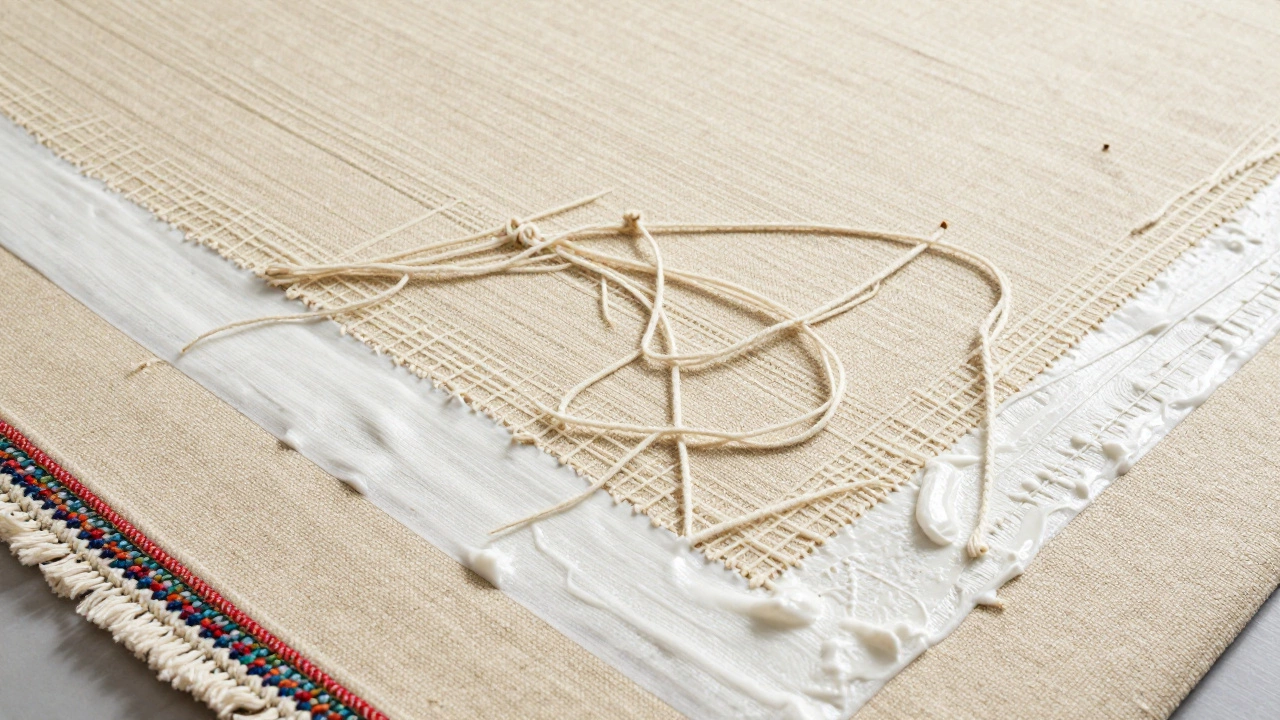
Hand-Tufted
Chaotic mess of threads glued down. Canvas base. Latex layer visible.
Machine-Woven
Tight grid-like weave. Uniform industrial mesh. Synthetic fibers.
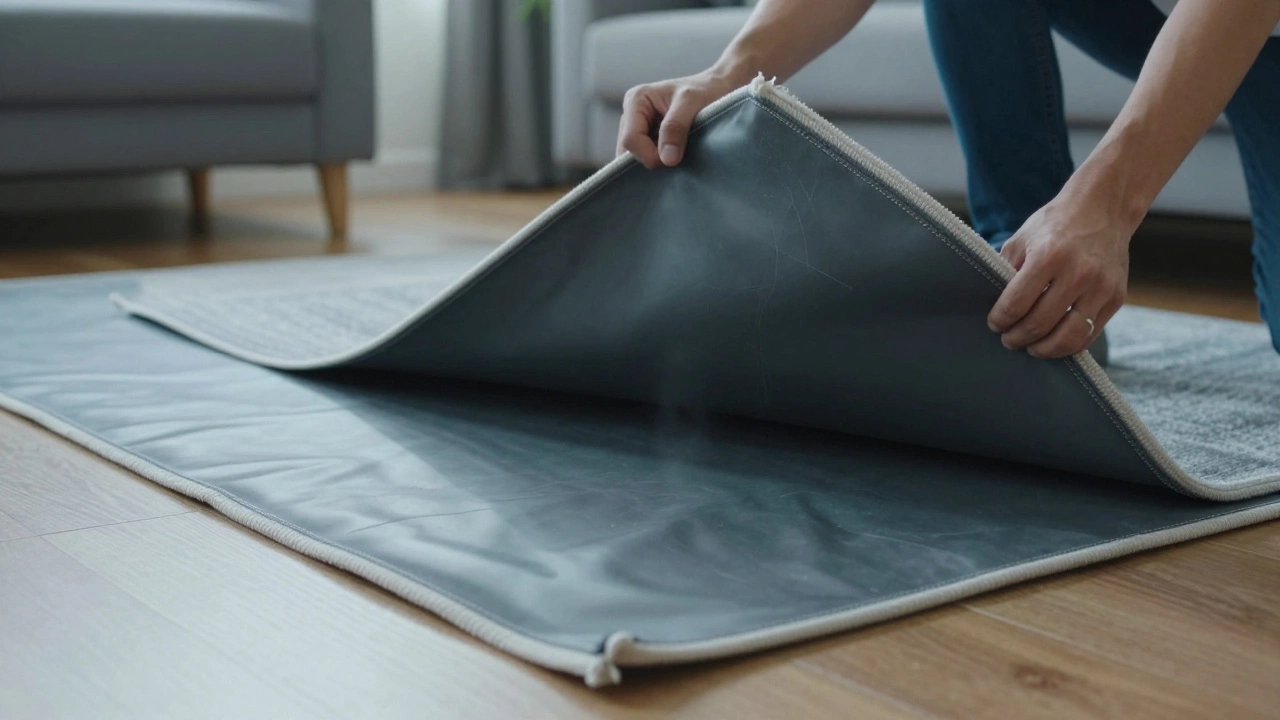
Foam/Rubber
Slick, spongy, plastic-y feel. Thin layer. Often synthetic backing.
Analysis Result
Best Use Cases
Care Warnings
Pro Tip for This Rug Type
--
You’ve probably seen it happen. You’re browsing a shop or scrolling through an online listing, and you flip over a rug. The front looks beautiful-rich colors, intricate patterns-but the back reveals the truth. Is it thick and tangled with knots? Is it smooth and synthetic? Or is it just a thin layer of glue holding everything together? The back of a rug is a floor covering made from woven fabric that adds texture and warmth to a room tells you everything about its durability, origin, and true value. It’s the secret report card that manufacturers hope you won’t read.
Most people judge a book by its cover, but in the world of flooring, you need to check the spine. Understanding what lies beneath your feet helps you avoid buying a disposable mat when you wanted an heirloom, or vice versa. Let’s pull back the curtain on rug construction and see what those hidden fibers are trying to tell you.
The Gold Standard: Hand-Knotted Rugs
If you flip over a high-end Persian, Turkish, or Indian rug and the back looks almost identical to the front, you’re looking at a hand-knotted rug is a textile created by tying individual knots around warp threads on a loom. This is the most labor-intensive method of rug making. Each knot is tied by hand, one by one. If a rug has a density of 100 knots per square inch (KPSI), that means there are 100 individual ties in every tiny square inch of space. A high-quality piece might have 400 KPSI or more. That’s thousands of hours of work.
The visual cue here is symmetry. Because the knots wrap around the vertical warp threads, the pattern appears clearly on both sides. It might not be perfectly mirrored-the colors could shift slightly depending on how the weaver pulled the thread-but the design is readable. If you run your fingers over the back, it feels rough and textured, like the front, just maybe a bit fuzzier. These rugs can last for generations. They breathe, they age gracefully, and their value often appreciates over time because they are essentially handmade art pieces.
The Workhorse: Hand-Tufted Rugs
Now, imagine a rug where the back looks nothing like the front. Instead of a clear pattern, you see a chaotic mess of loose threads glued down onto a canvas base. This is likely a hand-tufted rug is a rug made by using a tufting gun to punch yarn through a primary backing material. This process is much faster than knotting. An artisan uses a handheld tool that shoots rows of yarn into a cotton or linen canvas. Once the pile is built up, a layer of latex adhesive is applied to the back to hold those loops in place. Finally, a secondary backing cloth is often added for stability.
Hand-tufted rugs are excellent mid-range options. They offer the softness and look of a knotted rug but at a fraction of the price and production time. However, that latex backing is the weak link. Over decades, latex can dry out, crack, and crumble. If you notice white powder coming off the bottom of your rug or if the backing starts to peel, the glue is failing. These rugs are durable enough for daily living rooms, but they aren’t meant to be passed down as antiques. They are comfortable, stylish, and practical, but they have a finite lifespan.
The Budget Choice: Machine-Made and Woven Rugs
When you buy a rug from a big-box store for under $100, you are almost certainly dealing with a machine-made product. There are two main types here: power-loomed and Axminster. In these rugs, the back usually features a tight, grid-like weave of synthetic fibers. You won’t see individual knots, and you won’t see a messy tufted surface. Instead, you’ll see a uniform, industrial-looking mesh.
Many modern machine-made rugs use a foam or rubber backing instead of traditional jute or cotton. This is done to make the rug cheaper to produce and easier to clean. However, this type of backing doesn’t breathe. It traps moisture between the rug and your hardwood floor, which can lead to mold growth or finish damage over time. If the back feels slick, plastic-y, or spongy, you’re looking at a low-cost manufacturing technique. These rugs are fine for temporary spaces, rentals, or high-traffic areas where you expect to replace them every few years. Just don’t expect them to develop character with age; they will likely fray and fade.
Red Flags: What to Avoid
Not all rug backs are created equal, and some signal immediate problems. Here are the warning signs to watch for:
- Peeling Latex: If the backing flakes off when you touch it, the adhesive has failed. The rug will shed excessively and may lose its shape.
- Visible Warping: If the rug curls up at the corners even when flat on the floor, the tension in the backing is uneven. This is common in cheap synthetic rugs exposed to humidity changes.
- Strong Chemical Smell: While new rugs often have a "new car" smell, a pungent, eye-watering odor from the backing suggests excessive volatile organic compounds (VOCs) in the glues and dyes. This can affect indoor air quality.
- Loose Threads Everywhere: Some shedding is normal for natural fibers like wool. But if entire sections of the backing are unraveling, the construction is poor.
Comparing Rug Backings: A Quick Reference
| Construction Type | Back Appearance | Durability | Best For |
|---|---|---|---|
| Hand-Knotted | Pattern visible, rough texture | Very High (50+ years) | Investment pieces, formal rooms |
| Hand-Tufted | Glued canvas, no pattern | Moderate (10-20 years) | Living rooms, bedrooms |
| Machine-Woven | Tight grid, uniform | Low to Moderate (3-7 years) | High traffic, rentals |
| Foam/Rubber Backed | Slick, spongy, synthetic | Low (1-3 years) | Bathrooms, temporary decor |
Maintenance Tips Based on Backing
How you care for your rug depends heavily on what’s underneath. Hand-knotted wool rugs can often be washed by professionals without issue because the structure is solid. Hand-tufted rugs, however, are sensitive to water saturation. If too much water penetrates the latex layer, it can dissolve the glue, causing the pile to detach. Always spot-clean these unless the cleaner specializes in tufted goods.
For machine-made rugs with synthetic backings, vacuuming is your best friend. Since they don’t trap dirt deep within a dense knot structure, surface cleaning works well. Avoid steam cleaning them frequently, as the heat and moisture can break down the adhesives used in the backing layers.
Why It Matters for Your Home
Knowing what’s on the back of your rug isn’t just about trivia; it’s about protecting your investment and your home. A heavy, natural-fiber rug with a cotton or jute backing needs a non-slip pad to protect your floors and keep the rug in place. A lightweight, synthetic-backed rug might slide around dangerously if not secured properly. Furthermore, understanding the construction helps you set realistic expectations. You won’t panic when your affordable accent rug sheds a little after the first few vacuums, and you’ll know to treat your antique Persian with kid gloves.
Next time you’re shopping, make it a habit to ask the seller to flip the rug over. If they hesitate, that’s a clue in itself. Transparency in construction leads to confidence in purchase. Whether you’re looking for a cozy throw for your reading nook or a statement piece for your entryway, the back of the rug holds the key to making the right choice.
Can I repair a rug with peeling latex backing?
Yes, but it requires professional attention. You cannot simply re-glue it yourself with household adhesives. A rug repair specialist can strip the old, failing latex and apply a new, flexible backing solution. Attempting DIY repairs often leads to further damage and permanent staining.
Is a hand-tufted rug better than a machine-made one?
Generally, yes. Hand-tufted rugs typically use higher-quality materials like wool or silk blends and have a denser pile than standard machine-made rugs. They feel softer and look more luxurious. However, they are more expensive and require more careful maintenance due to the latex backing.
Do I need a rug pad for a rug that already has a backing?
Absolutely. Even if a rug has a jute or rubber backing, adding a separate rug pad extends the life of the rug by absorbing impact and reducing friction. It also provides insulation and prevents slipping. Most manufacturers recommend a pad regardless of the existing backing.
How can I tell if a rug is authentic Persian?
Look for the hand-knotted construction mentioned earlier. Authentic Persian rugs are hand-knotted, meaning the pattern is visible on the back. Check for slight imperfections in symmetry, which indicate human craftsmanship. Also, inspect the fringe; it should be part of the rug’s foundation, not sewn on later.
Why does my new rug smell so bad?
New rugs, especially those with synthetic backings and chemical dyes, often emit VOCs (volatile organic compounds). This "off-gassing" can cause headaches and respiratory irritation. Air out the rug in a well-ventilated area for several days before placing it in your living space. If the smell persists after a week, consider returning it.