
Class B Bedding ROI Calculator
Results Analysis
Enter your values and click calculate to see the comparison.
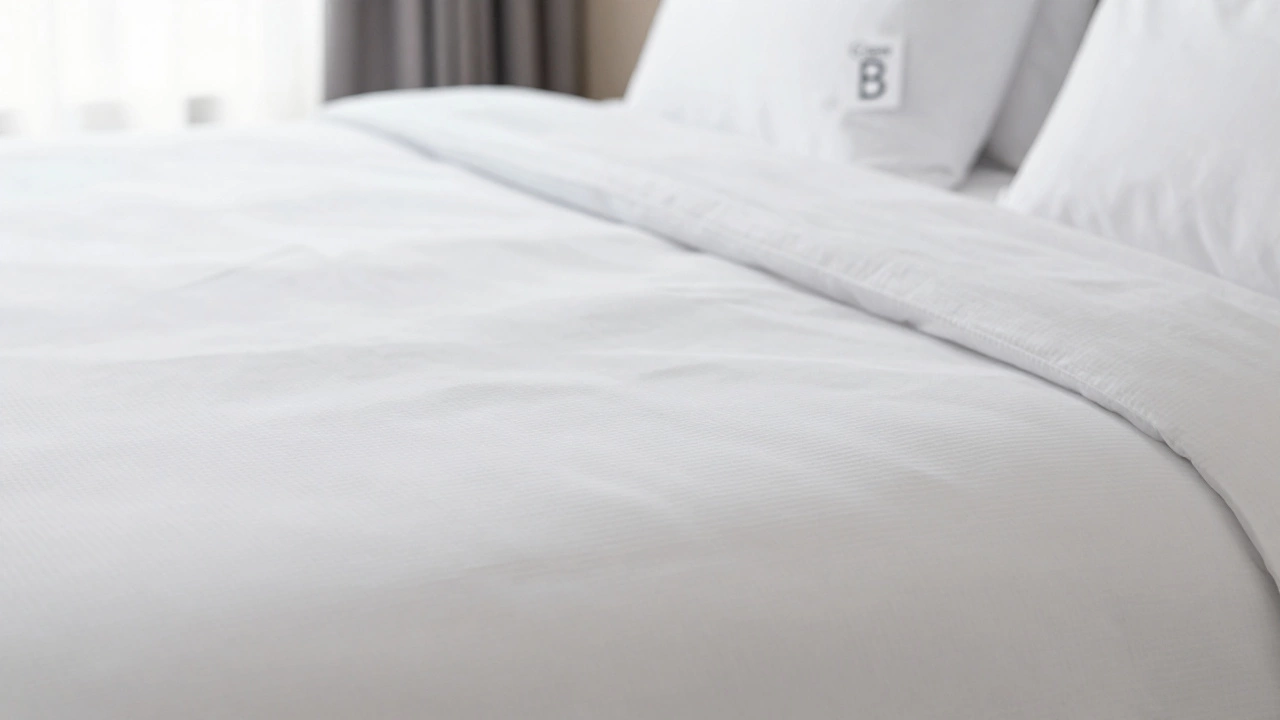
You’ve probably seen it on a laundry tag or in a bulk order for your guest house: "Class B." If you’re buying sheets for your own home, you might wonder why hotels and B&Bs use this specific grade instead of the soft, high-thread-count cotton you sleep on. The short answer is durability. Class B bedding is commercial-grade textile designed for frequent industrial laundering and heavy usage in hospitality environments. It isn't meant to be luxurious; it’s built to survive.
In the United Kingdom and across Europe, textile products used in professional settings are categorized by strict standards. These aren’t just marketing terms made up by suppliers. They are defined by regulations that dictate how many times a fabric can be washed before it fails. When you understand what Class B actually means, you stop guessing about quality and start making smarter purchasing decisions for your business.
The European Standard Behind the Label
To understand Class B, you have to look at the rulebook. In Europe, including the UK, the primary standard governing these textiles is EN 13606 is the European Norm for bedlinen, specifying requirements for appearance, dimensional stability, and tensile strength. This standard divides commercial bedlinen into three distinct classes based on their intended frequency of washing and wear.
Think of it like car insurance groups or road safety ratings. You wouldn’t buy a Formula 1 car for daily grocery shopping, and you wouldn’t put a luxury sedan on a demolition derby track. Similarly, not all bedding is created equal for every environment.
- Class A: Designed for light use. This includes private households, holiday homes, or facilities where laundry happens less than once a week. Think of guest cottages that change sheets only when a new tenant arrives.
- Class B: Designed for medium to heavy use. This is the sweet spot for hotels, motels, hostels, and hospitals where laundry cycles happen weekly or even daily. It requires robust construction to withstand high-temperature washes (often 90°C) and harsh detergents.
- Class C: Designed for very heavy use. This category covers institutions with extreme turnover, such as large-scale prisons, refugee centers, or emergency shelters, where fabrics endure constant, aggressive cleaning.
When a supplier labels their product as Class B, they are legally stating that the fabric has been tested to meet the tensile strength and pilling resistance required for that specific level of abuse. It’s a promise of resilience.
Why Hotels Choose Class B Over Luxury Cotton
If you run a small boutique hotel or a B&B in Bristol, you might feel tempted to buy the same percale sheets you love at home. After all, happy guests mean good reviews. But here’s the reality check: domestic bedding falls apart under commercial pressure.
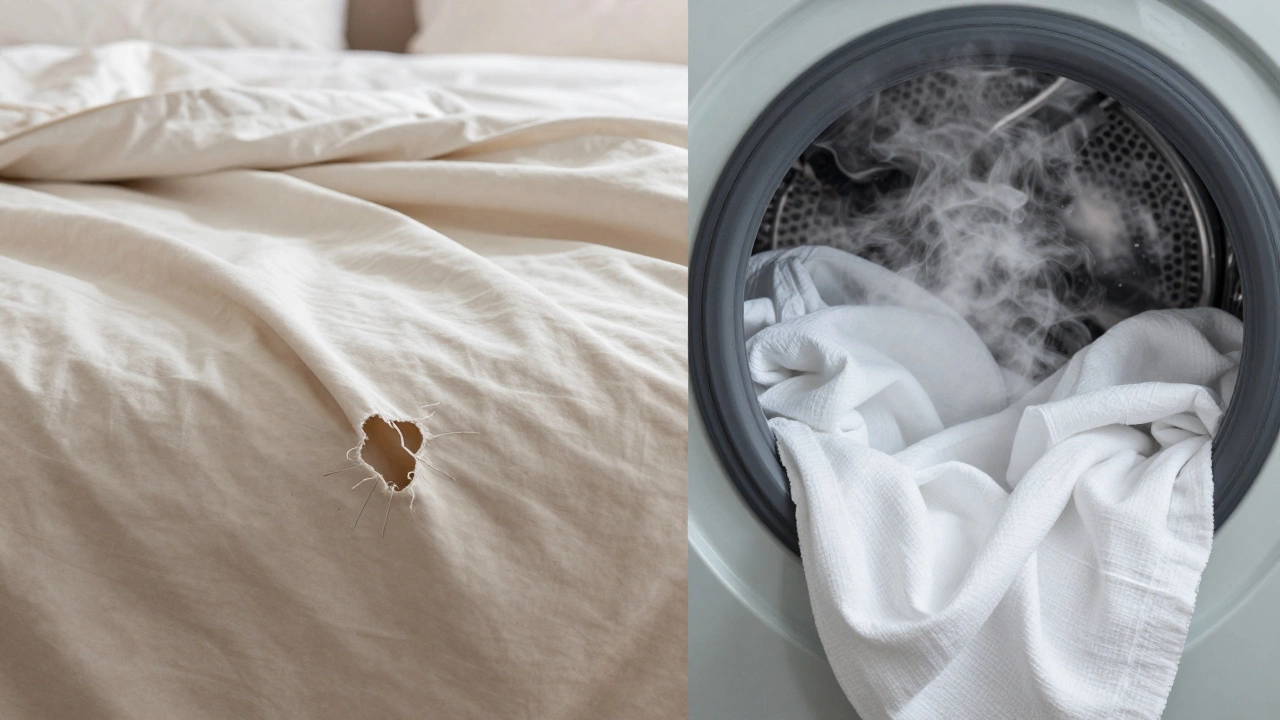
Domestic sheets are often woven with finer fibers to create a softer hand feel. However, fine fibers break down quickly when subjected to industrial centrifuges and high-heat drying. A typical domestic sheet might last 50 to 100 washes before developing holes or thinning out. Class B bedding, on the other hand, is engineered to last between 150 and 300+ washes.
This difference comes down to three key factors:
- Fiber Thickness: Class B linens use thicker yarns. While this reduces the initial "softness," it prevents the fibers from snapping during agitation.
- Weave Density: Commercial weaves, like twill or reinforced percale, are tighter and more structured. They resist snagging on zippers or jewelry left behind by guests.
- Chemical Resistance: Industrial laundries use strong bleaches and alkalis to sanitize sheets. Class B fabrics are treated or constructed to resist degradation from these chemicals.
I remember talking to a laundry manager in Bath who told me that switching from "luxury" domestic blends to proper Class B cotton saved them £2,000 a year in replacement costs. The initial price per set was higher, but the lifespan was tripled. That’s the economic logic of Class B.
Materials Commonly Used in Class B Bedding
Not all Class B bedding is made from the same material. The standard allows for various fibers, provided they meet the durability tests. However, some materials dominate the market due to their balance of cost, performance, and guest comfort.
| Material | Durability | Guest Feel | Best For |
|---|---|---|---|
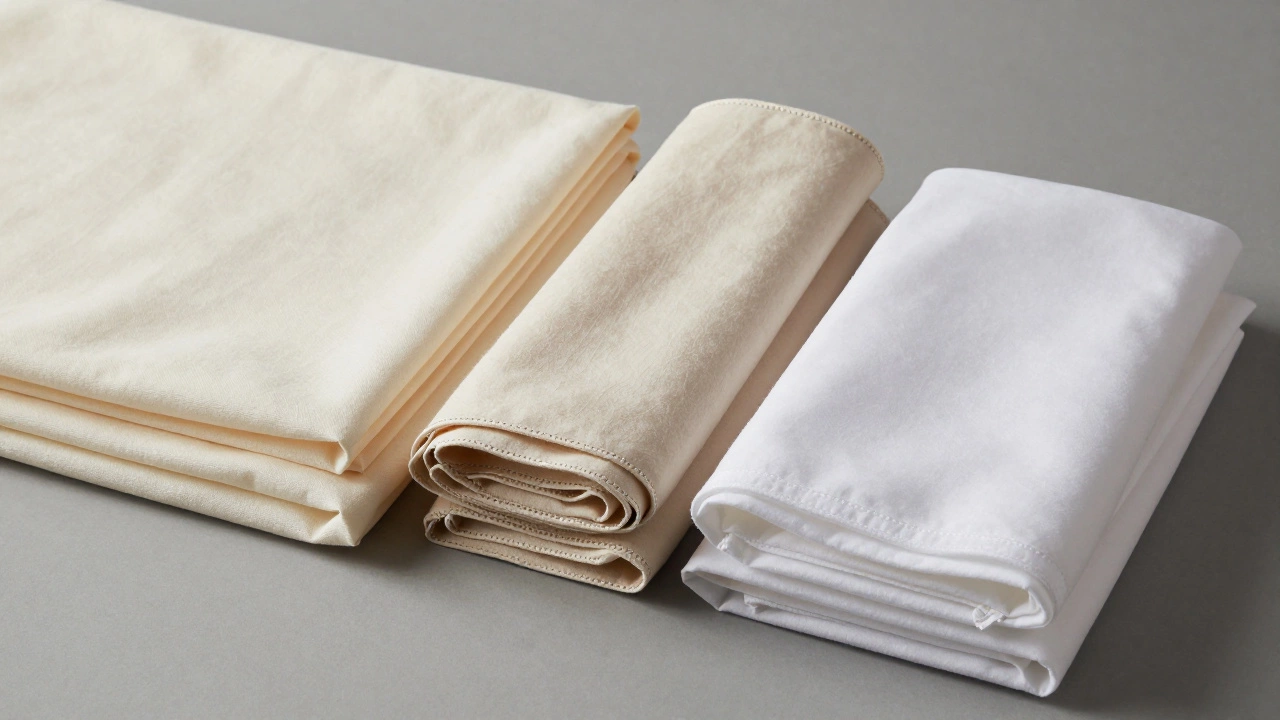
| Cotton Twill | High | Soft, slightly textured | Boutique hotels, B&Bs |
| Poly-Cotton Blend | Very High | Crisp, smooth | Hostels, budget chains |
| Pure Percale | Medium-High | Cool, matte finish | Mid-range hotels |
Cotton Twill is perhaps the most popular choice for Class B. The diagonal weave pattern hides stains better than plain weaves and adds significant strength. It feels substantial and premium without being delicate.
Poly-Cotton Blends (usually 65% polyester / 35% cotton) are the workhorses of the industry. Polyester adds incredible wrinkle resistance and durability. Guests won’t notice the difference immediately, but your laundry staff will appreciate how little ironing is needed. However, some guests find synthetic blends less breathable, which can be an issue in warmer months.
Pure Percale offers a cooler sleep experience. It’s a plain weave that breathes well. While slightly less durable than twill, high-quality Class B percale still meets the washing standards. It’s ideal if your target audience values a crisp, cool feel over plush warmth.
Identifying Genuine Class B Bedding
With so many suppliers claiming their products are "hotel quality," how do you know you’re getting real Class B? Don’t trust the marketing blurb. Look for the evidence.
First, check the label. A compliant manufacturer will explicitly state "Conforms to EN 13606 Class B" on the care label or product specification sheet. If it just says "Commercial Grade" without citing the standard, be skeptical.
Second, look at the thread count-but with a caveat. In the commercial world, thread count is less important than yarn thickness. A Class B sheet might have a lower thread count (e.g., 180-200) compared to domestic luxury sheets (400+), but the yarns are much thicker. If a supplier claims a Class B sheet has 1000 thread count, it’s likely using multi-ply yarns to inflate the number, which doesn’t necessarily add durability.
Third, inspect the hemming. Class B bedding features reinforced hems, often double-stitched or bound with tape. This prevents the edges from fraying after hundreds of wash cycles. Domestic sheets usually have simple folded hems that unravel faster under stress.
Cost vs. Value: Is Class B Worth It?
Let’s talk money. Class B bedding costs more upfront than domestic alternatives. A set of Class B cotton sheets might cost twice as much as a nice pair from a high street retailer. So, is it worth the investment?
If you are washing your bedding once a month, no. Stick to Class A or high-quality domestic sheets. They will feel nicer initially and last long enough for occasional use.
But if you are running a business where sheets are changed weekly or more frequently, Class B is non-negotiable. Here’s why:
- Reduced Replacement Frequency: Fewer purchases over time.
- Consistent Appearance: Class B resists pilling and fading, keeping your rooms looking tidy and professional longer.
- Laundry Efficiency: Durable fabrics dry faster and require less delicate handling, saving energy and labor costs.
Consider the total cost of ownership. If a cheap sheet lasts 50 washes and a Class B sheet lasts 250, you need five sets of the cheap ones to match one set of the expensive ones. Even if the cheap ones are half the price, you’re still spending more in the long run, plus dealing with the hassle of constant reordering.
Maintenance Tips for Extending Class B Lifespan
Even the toughest Class B bedding needs proper care. Misuse is the number one reason commercial linens fail prematurely. Follow these guidelines to maximize their life:
- Avoid Overloading Washers: Cramping the load increases friction, leading to premature wear and tear. Leave room for the water and detergent to circulate.
- Use Correct Detergent Dosage: Too much detergent leaves residue that stiffens fibers and attracts dirt. Too little fails to clean. Follow the manufacturer’s dosage chart based on soil level.
- Monitor Water Temperature: While Class B can handle high heat, unnecessary boiling accelerates fiber breakdown. Use 60°C for routine washes and reserve 90°C for sanitization when needed.
- Inspect Regularly: Check for snags or weak spots early. Repairing a small hole now prevents it from becoming a large tear later.
- Store Properly: Keep clean linens in a dry, ventilated area. Moisture leads to mildew, which weakens fabric structure irreversibly.
By treating your Class B bedding with respect, you ensure it delivers on its promise of durability. It’s a partnership between the product’s engineering and your operational practices.
Can I use Class B bedding in my home?
Yes, you can. Many people prefer Class B bedding for its durability and easy care. It may feel slightly stiffer than luxury domestic sheets initially, but it softens with washing. It’s a great choice if you want low-maintenance linens that last for years.
Is Class B bedding hypoallergenic?
Class B bedding itself is not inherently hypoallergenic, but its ability to withstand high-temperature washing (up to 90°C) makes it excellent for killing dust mites and bacteria. This makes it a practical choice for allergy sufferers, especially when paired with appropriate detergents.
What is the difference between Class B and Class C bedding?
Class C bedding is designed for extremely heavy use, such as in prisons or emergency shelters, where fabrics face constant, aggressive cleaning. Class B is for standard commercial use like hotels and hospitals. Class C is typically rougher and less comfortable, prioritizing maximum durability over guest comfort.
How many washes does Class B bedding typically last?
A well-made Class B bedding set should last between 150 and 300 industrial washes. This depends on the material (cotton twill lasts longer than poly-cotton blends) and how carefully it is laundered. Proper maintenance is key to reaching the upper end of this range.
Does Class B bedding come in different colors?
Yes, Class B bedding is available in a wide range of colors, though whites and light pastels are most common in the hospitality industry because they hide bleach marks less obviously and appear cleaner to guests. Darker colors are available but may fade faster if not dyed with high-quality pigments.