
Sofa Comfort Fit Calculator
Enter your details below to determine the ideal seat depth, cushion firmness, and frame requirements for your perfect sofa.
Analyzing...
Please wait while we calculate your perfect fit.
Ideal Dimensions
- Seat Depth: --
- Seat Height: --
- Armrest Height: --
Material & Build
- Cushion Fill: --
- Firmness Level: --
- Frame Requirement: --
Why this fits you:
Detailed advice will appear here.
Maintenance Tip for Your Choice:
Maintenance advice will appear here.
Imagine sinking into a sofa after a long day, only to find your back aching or your legs dangling awkwardly. You bought it because it looked great in the showroom, but comfort was an afterthought. This happens more often than you might think. The question "what is the most comfortable sofa" doesn't have a single answer because comfort is deeply personal. It depends on how you sit, your body type, and what you use the sofa for.
However, there are objective engineering principles that define a high-comfort seating experience. By understanding frame construction, cushion density, and seat depth, you can identify the right fit for your lifestyle without relying on marketing buzzwords.
The Anatomy of Comfort: It’s Not Just About Softness
Many people equate comfort with softness. They want a sofa that feels like a cloud. While this sounds appealing, excessive softness often leads to poor support. If a sofa lacks structural integrity, your spine will curve unnaturally, leading to fatigue. True comfort comes from a balance between pressure relief and support.
Consider the difference between sitting on a memory foam mattress and a firm orthopedic one. Both are comfortable, but they serve different needs. A sofa needs to support your weight while allowing enough give to relieve pressure points on your hips and shoulders. The secret lies in the layers beneath the fabric.
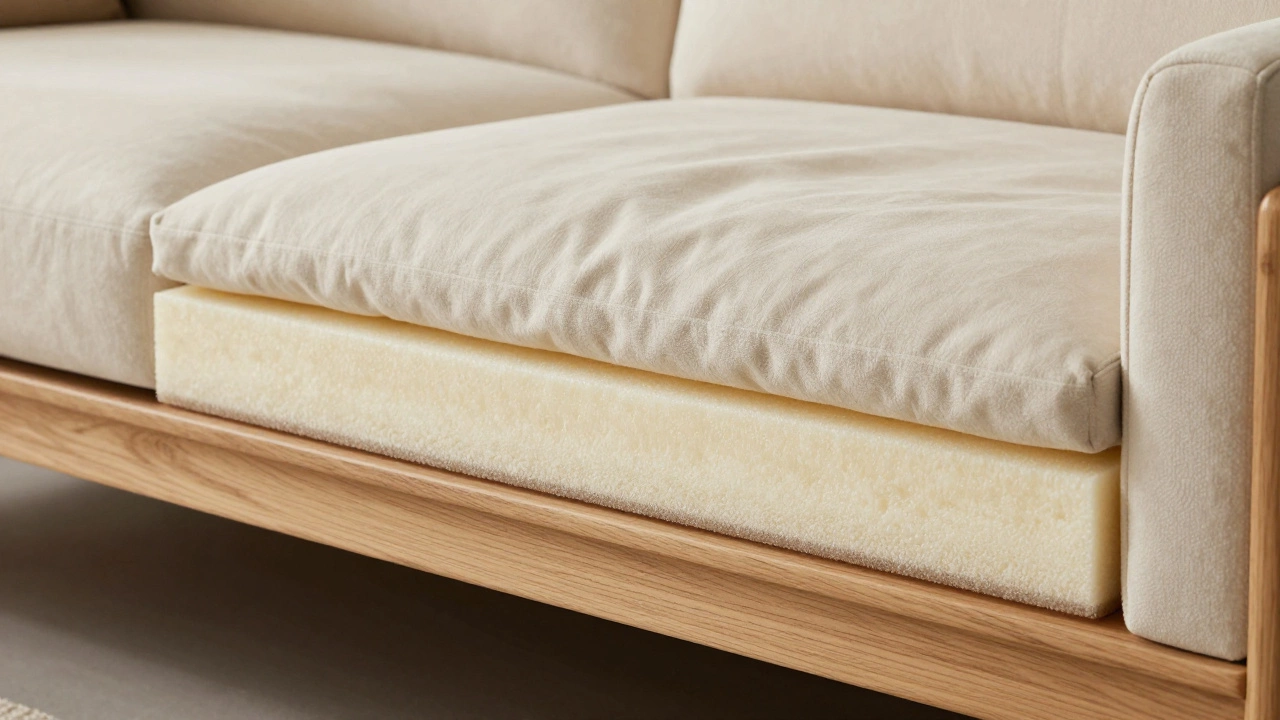
- Base Support: High-resilience webbing or wooden slats provide the foundation.
- Cushion Core: Foam, down, or springs absorb impact.
- Top Layer: A softer material (like down blend) provides surface plushness.
A common mistake is buying a sofa with low-density foam. It feels amazing for the first month, then sags and creates a hammock effect. Look for high-resilience (HR) foam, which retains its shape longer and offers consistent support over years of use.
Cushion Types: Which One Suits Your Body?
The filling inside your cushions dictates how the sofa feels. There are three main types, each with distinct pros and cons.
| Material | Feel | Support Level | Maintenance | Best For |
|---|---|---|---|---|
| Foam (High-Resilience) | Firm to Medium | High | Low (No fluffing needed) | Back sleepers, those needing lumbar support |
| Down Feather | Very Soft, Plush | Low | High (Daily fluffing required) | Side sleepers, lounging, aesthetic appeal |
| Foam & Down Blend | Medium-Soft | Medium-High | Medium (Occasional fluffing) | Most users seeking balance |
If you prefer to sit upright and read, pure foam is likely your best friend. It keeps your posture aligned. However, if you love curling up with a blanket and a movie, a down-filled cushion molds to your body shape, eliminating pressure points. The hybrid option-foam core wrapped in down-is often considered the gold standard for versatility. It gives you the initial sink-in feeling of down but the lasting support of foam.
Seat Depth and Height: Ergonomics Matter
You can have the best cushion in the world, but if the dimensions don't match your body, it won't be comfortable. Two key measurements determine ergonomic fit: seat depth and seat height.
Seat Depth refers to the distance from the front edge of the seat to the backrest. Standard sofas usually have a depth of 20 to 22 inches. This works well for sitting upright. However, if you like to stretch out or sleep on the sofa, you need a deeper seat. Deep-seat sofas range from 24 to 30 inches. These allow you to recline fully without your back hitting the rear wall of the sofa. Keep in mind that if you are shorter than 5'6", a very deep seat might cause your knees to press against the front edge, cutting off circulation.
Seat Height is measured from the floor to the top of the cushion. The ideal height allows your feet to rest flat on the floor with your knees at a 90-degree angle. For most adults, this is between 17 and 19 inches. Sofas that are too low make it difficult to stand up, especially for older individuals or those with mobility issues. Sofas that are too high can cause strain on your lower back when you sit down.

Frame Construction: The Unsung Hero
Comfort isn't just about what you touch; it's about what holds everything together. A wobbly frame makes any sofa feel unstable and cheap. When shopping, ask about the frame material.
Kiln-dried hardwoods like oak, maple, or ash are the industry standard for durability. Kiln-drying removes moisture from the wood, preventing warping and cracking over time. Avoid frames made from softwoods like pine or particleboard, as they can sag under the weight of heavy cushions and frequent use. Corner blocks reinforced with screws (not just glue or nails) add significant stability. If you lift the front corner of the sofa in the store and it feels light or rattles, walk away. A quality sofa should feel substantial and solid.
Fabric and Texture: Sensory Comfort
Comfort also involves how the fabric feels against your skin. Rough or stiff fabrics can irritate, especially if you wear shorts or sleeveless tops. Natural fibers like linen and cotton breathe well, keeping you cool in summer. However, they can wrinkle easily. Synthetic blends like microfiber offer a soft, suede-like feel and are highly durable and stain-resistant. Velvet has seen a resurgence because it combines luxury with practicality; modern performance velvets are soft to the touch and resist pilling.
Consider your climate and lifestyle. If you live in a humid area, breathable natural fibers prevent sweating. If you have pets, tight-weave synthetics or treated leathers prevent claws from snagging and hide hair better than loose knits.
Testing the Sofa: What to Look For in Store
Online shopping is convenient, but buying a sofa without sitting on it is risky. If you visit a showroom, follow these steps to test for true comfort:
- Sit for at least five minutes. Initial impressions can be misleading. Give your body time to adjust to the cushion density.
- Check your back support. Does the backrest align with your natural spine curve? Is there a gap between your lower back and the sofa?
- Test the armrests. Are they at a comfortable height for resting your elbows? Do they feel sturdy when you lean on them?
- Simulate your daily use. If you nap on the sofa, lie down. If you work from home, sit upright with a laptop. Ensure the position is sustainable for extended periods.
- Bounce gently. Press down on the seat. Does it bounce back quickly, or does it stay compressed? Quick recovery indicates high-quality foam or spring systems.
Common Pitfalls to Avoid
Even experienced shoppers make mistakes. Here are a few traps to watch out for:
- Ignoring the return policy. Some retailers charge hefty restocking fees or do not accept returns on open-box furniture. Always check the terms before buying.
- Focusing only on price. Cheap sofas often cut corners on frame quality and foam density. You may end up replacing it within two years, costing more in the long run.
- Neglecting delivery logistics. Measure your doorways, staircases, and hallways. A large sectional might look perfect in the catalog but impossible to get into your living room.
- Choosing style over function. A sleek, minimalist design might look stunning but lack the depth or cushioning you need for comfort.
Maintaining Long-Term Comfort
A sofa’s comfort can degrade if not maintained properly. Rotating cushions every few months ensures even wear. Fluffing down-filled cushions regularly restores their loft. Vacuuming fabric seats prevents dirt from grinding into the fibers, which can harden the material over time. For leather sofas, conditioning every six months keeps the material supple and prevents cracking.
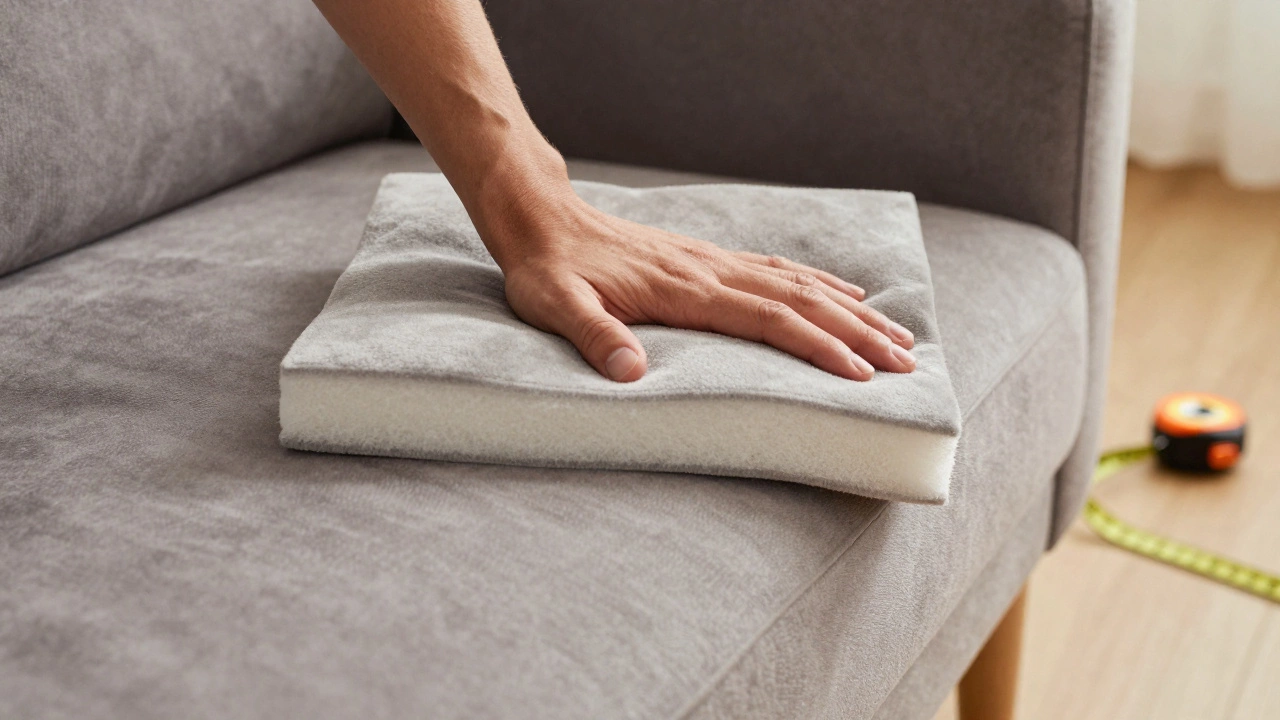
If your sofa starts to sag, consider adding a thin layer of high-density foam toppers. This can extend the life of the cushions and restore some of the original support. Regular maintenance is a small investment that pays off in years of continued comfort.
Is a firmer sofa more comfortable than a soft one?
It depends on your body and preferences. Firmer sofas provide better spinal alignment and support, making them ideal for people with back pain or those who sit upright. Softer sofas offer more pressure relief and are better for lounging or side-sleeping. Many people find a medium-firm feel with a soft top layer to be the most versatile.
How do I know if a sofa is too deep for me?
If you sit upright and your back hits the backrest before your thighs are fully supported, or if your knees press against the front edge when reclining, the sofa is likely too deep. A good rule of thumb is to leave about 2-3 inches between your knee pit and the front edge of the seat for proper circulation.
What is the best cushion fill for pet owners?
High-resilience foam is generally best for pet owners because it resists indentation from claws and is easier to clean. Avoid loose down feathers, as they can be pulled out by pets. Microfiber or tightly woven synthetic fabrics are also excellent choices as they repel hair and stains effectively.
Can I improve the comfort of an existing sofa?
Yes, you can add cushion toppers, replace old foam inserts, or use throw pillows for additional lumbar support. Reupholstering is another option if the frame is still solid but the fabric or padding has worn out. Regular maintenance like rotating cushions also helps maintain comfort levels.
Why do some sofas sag quickly?
Sagging is usually caused by low-density foam that compresses permanently under weight, weak spring systems, or inadequate base support. To avoid this, look for high-resilience foam, sinuous springs, or pocketed coils, and ensure the frame is made of kiln-dried hardwood with reinforced corner blocks.