
Sofa Durability Score Calculator
Configure Your Sofa Specs
Durability Rating
Enter Details
Select options and calculate to see your result.
Buying a sofa is expensive. You want it to look good today, but more importantly, you want it to still be comfortable and intact in ten years. The biggest mistake people make is judging durability by the look of the cushion or the brand name on the tag. Real durability hides inside the frame, under the springs, and within the weave of the fabric.
If you are tired of sagging seats and ripped arms, you need to stop looking at aesthetics first. Start with the bones. This guide breaks down exactly what makes a sofa last, from the type of wood used in the chassis to the specific fabric tests that predict how well it will survive kids, pets, and daily lounging.
The Foundation: Why Frame Material Matters More Than Fabric
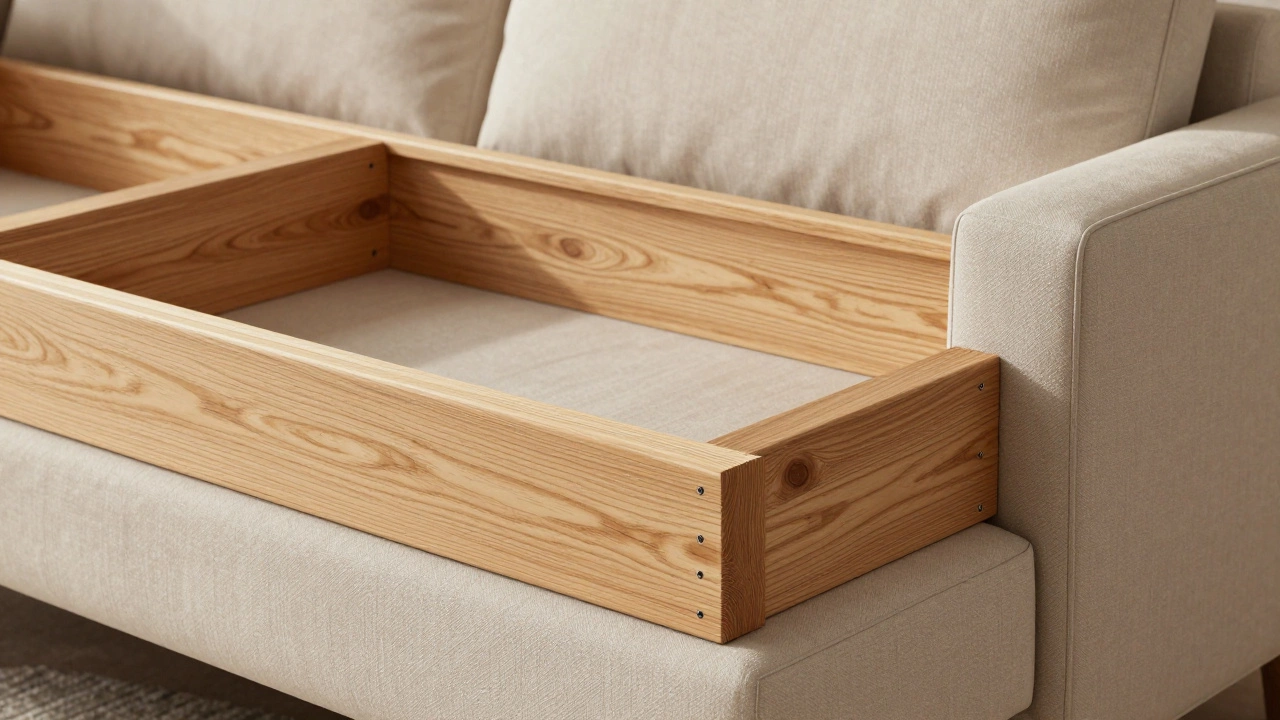
Think of a sofa like a house. If the foundation cracks, it doesn't matter how nice the paint job is. The frame is that foundation. Most budget sofas use engineered wood (particleboard or MDF) or softwoods like pine. These materials are cheap and light, but they warp, split, and lose strength when exposed to humidity changes or heavy weight.
To get a sofa that lasts, look for hardwood lumber. Specifically, ask for kiln-dried hardwoods like oak, ash, maple, or hickory. "Kiln-dried" is the magic phrase here. It means the wood has been dried in a controlled environment to reduce moisture content. Wet wood shrinks as it dries in your living room, causing joints to loosen and frames to squeak or collapse. Kiln-dried wood stays stable.
- Avoid: Particleboard, MDF, plywood cores, or softwoods like pine and spruce.
- Choose: Kiln-dried hardwoods (Oak, Ash, Maple, Hickory).
- Joint Construction: Look for corner blocks reinforced with screws and glue. Dovetail joints are even better but rare in mass-market furniture. Avoid staples alone; they pull out over time.
A quick test at the store? Lift the front legs. If the sofa feels surprisingly light for its size, it’s likely built with lightweight, less durable materials. A sturdy hardwood frame weighs significantly more.
Support Systems: Springs vs. Webbing
Once the frame is set, you need support. This is where the seat actually rests. There are three main types of suspension systems, ranked by durability:
- Eight-Way Hand-Tied Springs: This is the luxury standard. Each spring is individually tied to its neighbors with cotton twine. This allows each spring to move independently, distributing weight evenly. It prevents that "hammock effect" where one person sinks into the middle. While expensive, these systems can last 20+ years because if one spring fails, the others compensate.
- Spring Coils (Sinuous Springs): These are S-shaped metal wires connected side-by-side. They are common in mid-range sofas. They are durable enough for average use but can lose tension faster than hand-tied springs. Look for coils that are welded to the frame rather than just stapled.
- Elastic Webbing: Found in cheaper sofas. Strips of elastic crisscross the frame. They stretch out quickly, leading to sagging seats within a few years. Avoid this if durability is your priority.
For the best balance of cost and durability, high-quality sinuous springs with a tight wire gauge are a safe bet. For maximum longevity, invest in eight-way hand-tied springs.
Cushioning: The Battle Against Sagging
You can have the strongest frame in the world, but if the cushions go flat, the sofa is dead. Cushion density is measured in pounds per cubic foot (PCF). Higher PCF means denser foam, which resists compression better.
Here is what to look for in the seat cushions:
- Density: Aim for foam with a density of at least 1.8 PCF for everyday use. For heavy daily use, 2.0 PCF or higher is ideal. Anything below 1.5 PCF will flatten out relatively quickly.
- Firmness: Firmness is separate from density. You can have firm low-density foam (which feels hard but breaks down fast) or soft high-density foam (which feels plush but lasts long). Look for "high-resilience" labels.
- Fillings: Down feathers feel luxurious but require constant fluffing and compress permanently over time. A hybrid approach works best: a core of high-density foam wrapped in a layer of down or fiberfill. This gives you the structure of foam with the cloud-like feel of down.
Back cushions often use lower density foam because they don't bear full body weight. However, if you lean back frequently, ensure the back cushions also have a supportive foam core.
Fabric Durability: Understanding Rub Counts and Performance Textiles
Fabric failure usually happens before the frame does. Pilling, fading, and tearing are the enemies. To judge fabric durability, you need to understand two things: the Wyzenbeek or Martindale rub count, and the material itself.
The Wyzenbeek test measures how many times a fabric can be rubbed back and forth before showing signs of wear. For residential use, look for a rating of at least 15,000 double rubs. For commercial-grade durability (like in a hotel lobby), aim for 30,000+. Note that European manufacturers often use the Martindale test, where 40,000 cycles is roughly equivalent to 15,000 Wyzenbeek rubs.
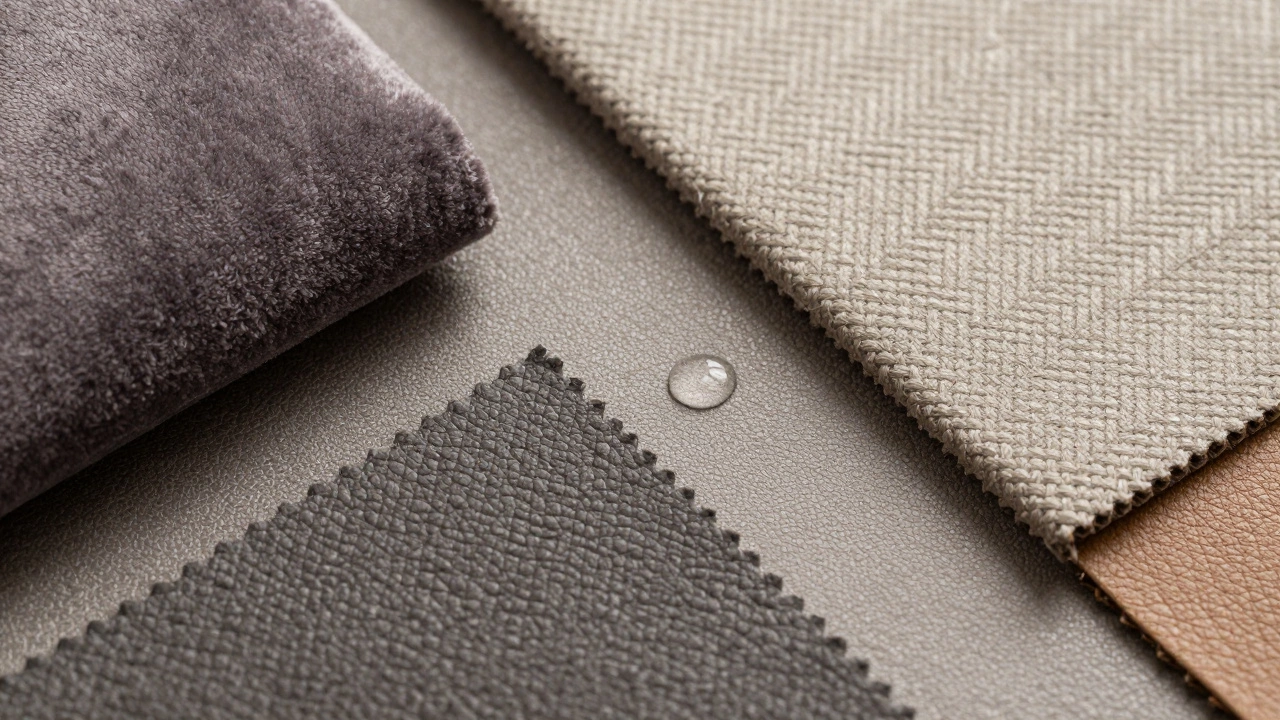
| Fabric Type | Durability | Stain Resistance | Best For |
|---|---|---|---|
| Performance Velvet | High | Excellent | Pet owners, families seeking luxury feel |
| Microfiber | Very High | Good | Budget-conscious buyers, high traffic areas |
| Tightly Woven Linen/Cotton | Medium | Poor (unless treated) | Low-traffic rooms, aesthetic-focused spaces |
| Leather (Top Grain) | Very High | Good | Easy cleaning, aging gracefully |
| Natural Fiber (Jute/Hemp) | Low | Poor | Decorative pillows only, not sofas |
In recent years, performance fabrics like Crypton or Sunbrella have revolutionized sofa buying. These are synthetic blends designed to repel liquids, resist stains, and withstand massive abrasion. They often come with warranties against staining and wear. If you have dogs or young children, these fabrics are worth the premium price. They clean up with water and mild soap, unlike traditional cotton or linen which may require professional cleaning.
Leather remains a top contender for durability. Top-grain leather develops a patina over time rather than cracking. However, avoid bonded leather, which is essentially paper pulp coated with plastic. It peels and flakes within a few years. Full-grain or top-grain leather is an investment that ages well.
Construction Details That Signal Quality
When shopping, inspect the details. Manufacturers who cut corners on visibility often cut corners everywhere. Here are specific things to check:
- Arm Height: Arms should be at a height that supports your elbows comfortably. Low arms might look sleek but offer no support, putting strain on the frame edges.
- Leg Placement: Legs should be attached directly to the frame, not just screwed into the bottom panel. Metal brackets reinforce this connection. Check underneath the sofa if possible.
- Seat Depth: Deeper seats (22 inches or more) are trendy but can cause sagging if the support isn't robust. Ensure deep-seated sofas have extra support slats or webbing underneath.
- Removable Covers: While not strictly about structural durability, removable and washable covers extend the life of the fabric. Stains are inevitable. Being able to throw the cover in the washing machine saves the sofa from permanent damage.
Maintenance Tips to Extend Sofa Life
Even the most durable sofa needs care. Simple habits add years to its lifespan.
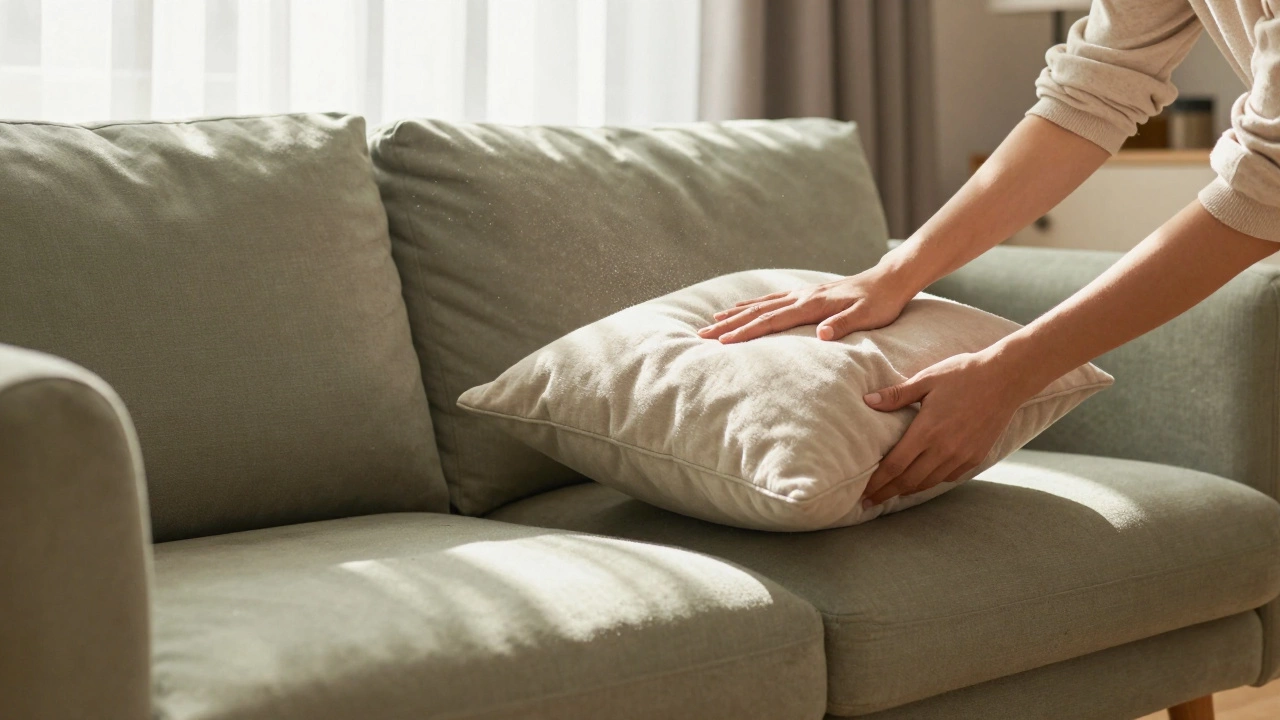
- Rotate Cushions: Flip and rotate seat and back cushions every few months. This ensures even wear and prevents one spot from compressing faster than others.
- Vacuum Regularly: Dust and debris act like sandpaper on fabric fibers. Vacuum your sofa weekly with an upholstery attachment to remove grit that causes pilling and fading.
- Protect from Sunlight: UV rays break down fibers and fade colors. Use curtains or blinds during peak sun hours, or apply a UV-protective spray to the fabric.
- Blow Out Dust: Every six months, lift the cushions and vacuum the frame and springs. Accumulated dust can attract pests and degrade the internal components.
By focusing on the hidden elements-hardwood frames, high-density foam, and tested fabrics-you buy a sofa that serves you, not just decorates your room. Don't let a pretty showroom display fool you. Ask for the specs, lift the weight, and check the joints. Your future self will thank you when the sofa still looks and feels new a decade later.
How do I know if a sofa frame is made of hardwood?
Ask the retailer specifically for "kiln-dried hardwood." Reputable brands will list the wood type (oak, ash, maple) in their specifications. If they only say "wood" or "solid wood," it could be softwood like pine, which is less durable. Additionally, lift the sofa; hardwood frames are significantly heavier than particleboard or softwood frames.
Is leather more durable than fabric?
It depends on the type of leather and fabric. Top-grain leather is extremely durable and easy to clean, but it can scratch. High-performance fabrics like Crypton or tightly woven microfibers can be just as durable, if not more so, especially regarding resistance to claws and spills. Bonded leather is far less durable than any quality fabric.
What is the best foam density for a sofa?
For seat cushions, aim for a density of at least 1.8 pounds per cubic foot (PCF). For heavy daily use or larger individuals, 2.0 PCF or higher is recommended. Lower density foams (below 1.5 PCF) tend to sag and lose shape within a few years.
Are eight-way hand-tied springs worth the extra cost?
Yes, if longevity is your priority. Eight-way hand-tied springs provide superior comfort and distribute weight more evenly than sinuous springs or webbing. They are less likely to sag or create pressure points over time. While they increase the initial cost, they often extend the usable life of the sofa by many years.
How often should I replace my sofa?
A well-built sofa with a hardwood frame and high-quality materials can last 10 to 20 years or more. Cheaper sofas may need replacement every 5 to 7 years due to sagging cushions or frame failure. Regular maintenance, such as rotating cushions and vacuuming, can significantly extend the lifespan.