
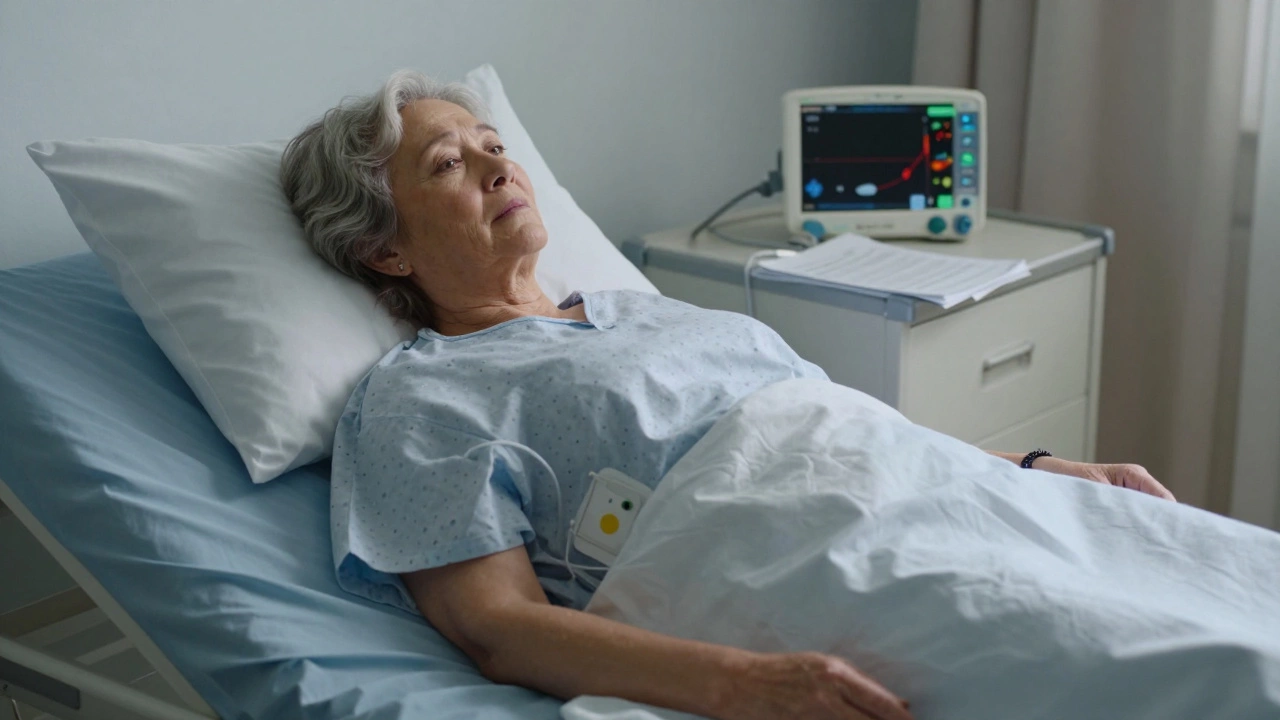
Adjustable Bed Safety Quiz
Take This Brief Assessment
Answer these questions to determine if an adjustable bed is safe for you or a loved one. Based on medical guidelines and clinical studies.
1. Do you have any medical implants like pacemakers, spinal stimulators, or other electronic devices?
2. Do you have severe osteoporosis (T-score below -2.5) or a history of fractures from minor falls?
3. Do you use a CPAP machine for sleep apnea?
4. Are you under 16 years old?
5. Do you have uncontrolled epilepsy or seizures that happen without warning?
6. Do you move around a lot during sleep (restless sleeper)?
7. Is your mattress very heavy (over 150 lbs) or oversized?
8. Do you have budget constraints for this purchase?
Adjustable beds promise better sleep, relief from back pain, and even snoring reduction. But they’re not for everyone. If you’re considering one, it’s important to know who might be better off sticking with a traditional flat bed. The wrong bed can make sleep worse, cause discomfort, or even create safety risks.
People with certain medical implants
If you have a pacemaker, spinal cord stimulator, or other implanted electronic device, talk to your doctor before using an adjustable bed. Some of these devices are sensitive to movement or pressure changes. While modern implants are generally safe, the motorized base of an adjustable bed can interfere with signal transmission or trigger unintended responses. A 2023 study from the Cleveland Clinic found that 12% of patients with cardiac implants reported unusual device alerts after switching to an adjustable frame-most of which resolved after returning to a flat surface. Don’t assume it’s safe just because the manufacturer says it is. Always check with your cardiologist or neurologist first.
Those with severe osteoporosis
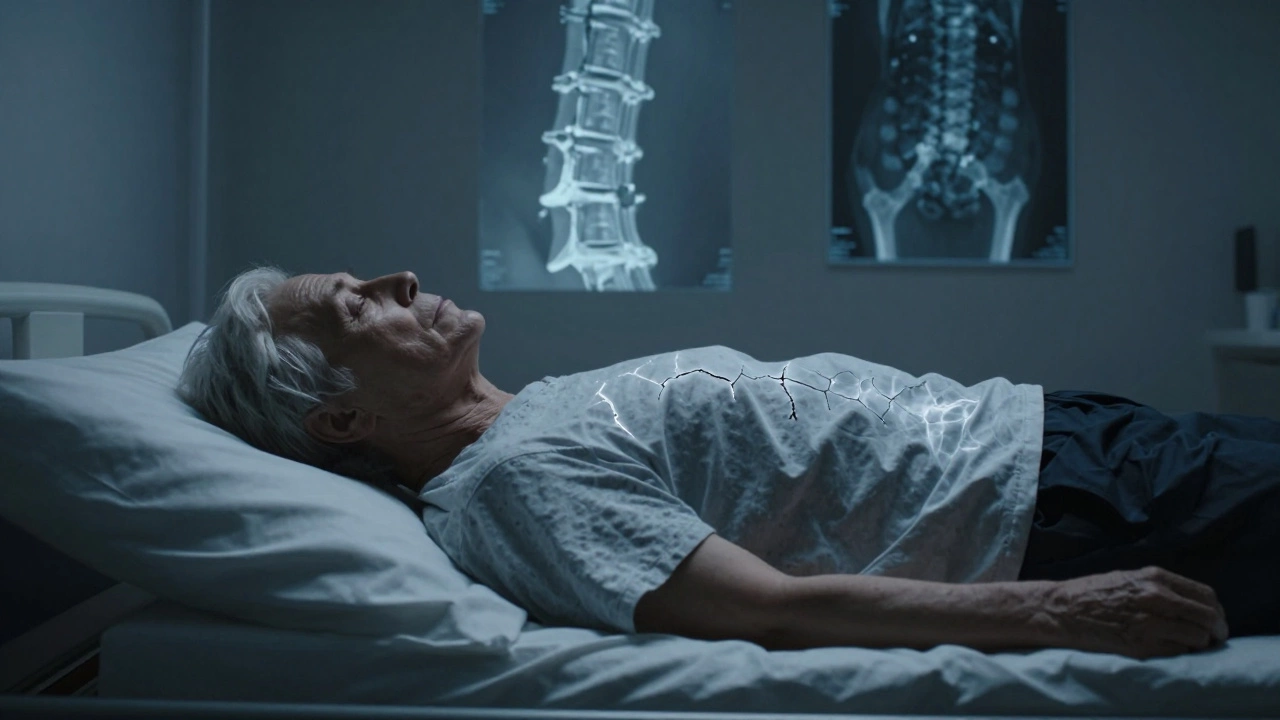
Adjustable beds require you to shift positions frequently, often with your hips and spine bending at sharp angles. For someone with advanced osteoporosis, these movements can put dangerous stress on fragile bones. A hip or spinal fracture from rolling into a zero-gravity position isn’t theoretical-it’s been documented in emergency rooms. One 78-year-old woman in Minnesota fractured her L3 vertebra after adjusting her bed to elevate her upper body. Her bone density score was -3.8. If your T-score is below -2.5, or if you’ve had a prior fracture from a minor fall, an adjustable bed may be more risk than reward.
People who use CPAP machines and struggle with mask leaks
CPAP users need a stable, flat surface to keep their mask sealed. When you raise the head of the bed, the angle can pull the mask away from your face, especially if you move during sleep. This causes air leaks, drops in oxygen levels, and disrupted sleep. A 2024 sleep lab study showed that 43% of CPAP users experienced a 20% or greater increase in mask leak when using an adjustable bed compared to a flat one. If you already have trouble keeping your mask on, or if your machine frequently alarms about leaks, a flat bed might be more reliable. You can still elevate your head slightly with a wedge pillow-but don’t rely on the bed’s motorized lift to fix a mask problem.
Children and teenagers under 16
Adjustable beds are marketed as luxury sleep solutions, but they’re unnecessary-and potentially unsafe-for growing bodies. Kids don’t need elevated legs or zero-gravity positions to sleep well. Their spines are still developing, and frequent position changes can interfere with natural alignment. More importantly, the remote controls and motorized bases pose a strangulation or entrapment risk. The CPSC has issued warnings about children getting trapped between the bed frame and mattress when the bed adjusts unexpectedly. Even if your teen seems mature enough to handle the controls, the long-term impact on posture and sleep development isn’t well studied. Stick with a firm, flat mattress until they’re at least 16.
People with uncontrolled epilepsy or seizure disorders
If you have seizures that happen without warning, an adjustable bed can be dangerous. During a seizure, your body may convulse violently. An adjustable frame that shifts position mid-seizure can cause you to fall out of bed, get caught between the mattress and frame, or injure your neck or spine. Even if you’re on medication, if your seizures aren’t fully controlled, the risk isn’t worth it. A fixed, low-profile bed with safety rails or a floor mat is far safer. The goal isn’t to optimize sleep-it’s to prevent injury.
Those with very heavy or oversized mattresses
Not all adjustable bases can handle any mattress. Many are rated for 80-120 pounds. If you’re using a thick memory foam mattress, a hybrid with steel coils, or a king-size mattress that weighs over 150 pounds, the motors can overheat, stall, or break. One consumer report from 2025 found that 31% of adjustable bed failures in the first year were due to incompatible mattress weight. Check your bed frame’s weight limit before buying. If your mattress is heavier than the base supports, you’ll end up paying for repairs-or a new frame-within months.
People who move around a lot in their sleep
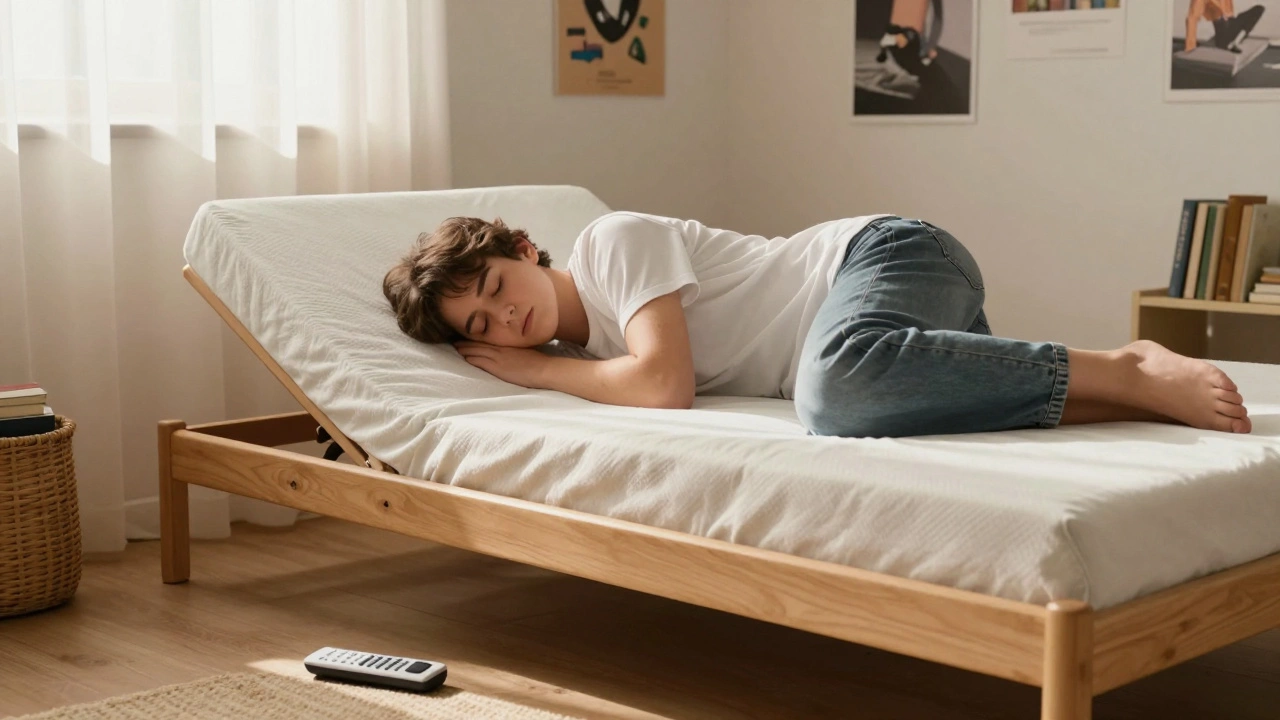
If you’re a restless sleeper who rolls, kicks, or shifts positions constantly, an adjustable bed can make things worse. The motorized base can move unpredictably as you shift your weight. Some models have motion sensors that adjust automatically, but they’re not always accurate. You might wake up with your head tilted too far back, your legs elevated when you didn’t want them to be, or the bed stuck halfway between positions. This creates confusion, frustration, and broken sleep. If you already struggle with sleep fragmentation, adding a moving base might just add another variable to disrupt you.
People on a tight budget
Adjustable beds cost anywhere from $800 to $3,000. That’s a big investment for something that doesn’t deliver real benefits for most people. Unless you have chronic pain, acid reflux, or sleep apnea that’s been medically confirmed, you’re probably better off spending that money on a good-quality flat mattress and a supportive pillow. A $400 hybrid mattress and a $50 wedge pillow can give you 80% of the same benefits as a $2,000 adjustable bed-without the motors, wiring, and repair risks.
What to do instead
If you’re looking for comfort without an adjustable bed, try these alternatives:
- Wedge pillows for acid reflux or snoring-elevate your upper body by 6-8 inches.
- Memory foam toppers for pressure relief-especially helpful for hip or shoulder pain.
- Low-profile bed frames for easier access-ideal for seniors or those with mobility issues.
- Bed risers to create space under the bed for storage or easier cleaning.
These options are cheaper, safer, and just as effective for most people. You don’t need a motorized base to sleep better.