
Eco‑Friendly Kitchenware: Sustainable Essentials for Every Home
When you pick kitchen items, you’re not just buying tools – you’re shaping how your home impacts the planet. Choosing eco‑friendly kitchenware means less waste, fewer chemicals, and a kitchen that looks good while doing good. Below you’ll find simple ways to swap out the usual stuff for greener options that still work like a charm.
Why Choose Eco‑Friendly Kitchenware?
Plastic plates and cheap metal pans might be cheap, but they pile up in landfills and often contain harmful chemicals. Materials like bamboo, stainless steel, and recycled glass break down slower and can be recycled again. They’re also durable, so you spend less on replacements. Plus, many of these items look natural and fit nicely with modern décor, giving your kitchen a fresh, clean vibe.
Buying local or from brands that practice ethical sourcing cuts down on transport emissions too. When a product is made nearby, the carbon cost of getting it to your door drops dramatically. Look for certifications such as FSC for wood or recycled content labels – they’re quick clues that the item meets sustainability standards.
Top Sustainable Kitchen Essentials
Here are the must‑have pieces that give you big impact without breaking the bank:
- Bamboo cutting boards: Light, sturdy, and naturally antibacterial. They’re easier on knives than hard wood.
- Stainless‑steel cookware: Conducts heat evenly, lasts decades, and can be recycled at the end of its life.
- Glass storage containers: No plastic smells, microwave‑safe, and you can see what’s inside at a glance.
- Reusable silicone lids: Replace disposable cling film, seal bowls, and work in the oven or freezer.
- Compost‑grade bags: Perfect for kitchen scraps; they break down in home compost bins.
Swapping a single item, like a plastic spatula for a wooden one, can cut down micro‑plastic waste that ends up in waterways. Mix and match these pieces to fit your cooking style, and you’ll notice the difference quickly.
Maintenance matters too. Wash bamboo items by hand and dry them fast to avoid mold. Stainless steel needs only a gentle scrub, and glass containers can go straight to the dishwasher. Proper care extends life, meaning you buy less over time.
When you’re hunting for green kitchenware, start by checking product descriptions for material info. Avoid anything that says “BPA‑free plastic” – it’s still plastic. Instead, look for “organic cotton”, “recycled aluminum”, or “certified bamboo”. Compare prices, but remember that a higher upfront cost often means a longer lifespan, which saves money in the long run.
Don’t forget the little things that add up. Cloth napkins replace paper, reusable coffee filters cut down on waste, and a simple wooden spoon can replace dozens of disposable stirrers. These tiny changes feel easy, but they shave off a lot of trash each month.
Finally, think about the end of a product’s life. Choose items that are recyclable or biodegradable, and set up a spot for them when they’re done. Many local councils accept metal and glass, while compostable items can go to community compost hubs.
By making these small swaps, you turn everyday cooking into a greener habit. Your kitchen stays functional, stylish, and kind to the planet – and that’s a win for anyone who loves good food and a clean conscience.
-
What Is the Most Sought-After Cast Iron Skillet in 2026?
Discover why the Lodge Logic 12-inch skillet is the most sought-after cast iron pan in 2026, alongside artisan rivals like Stargazer and vintage Griswolds. Learn how to choose, maintain, and cook with cast iron.
-

What is a deep pan called? A guide to pizza pans, Dutch ovens, and more
Discover what a deep pan is called. Learn the differences between pizza pans, Dutch ovens, baking dishes, and saute pans to choose the right cookware.
-

Utensils vs Kitchenware: What's the Difference and Why It Matters
Confused by kitchen terms? Learn the clear difference between utensils and kitchenware. Discover how to categorize your tools, choose the right materials, and build an efficient kitchen setup.
-

What Do the British Call Napkins? A Guide to Serviettes, Tea Towels, and Table Linens
a cloth used for wiping the face or hands
-
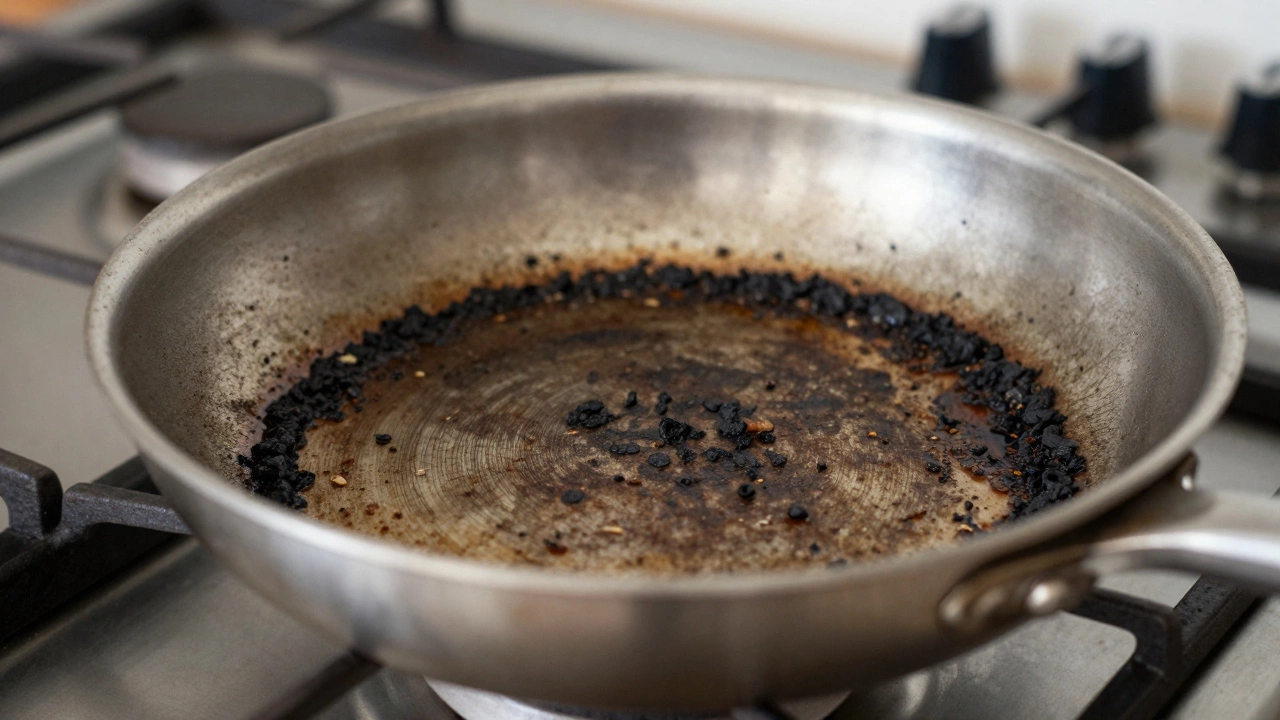
What Is the Black Stuff on the Bottom of a Pan? Causes, Removal & Prevention
Discover what the black residue on your pan is and how to remove it safely. Learn specific cleaning methods for stainless steel, non-stick, and cast iron cookware to keep your kitchen tools pristine.
-
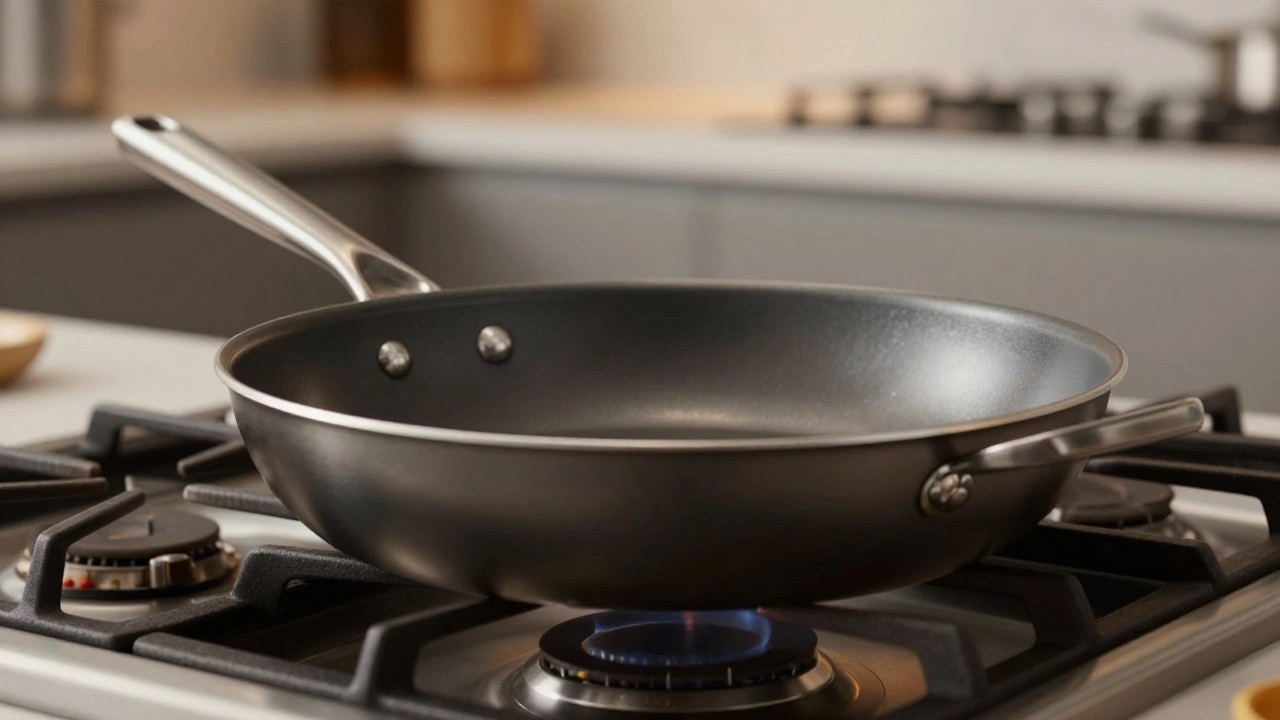
What is Gordon Ramsay Cookware? A Real-World Review of the Chef's Gear
Discover what makes Gordon Ramsay cookware special. We break down the hard-anodized aluminum tech, non-stick performance, and whether it's actually worth your money.
-
What is Daisy Dukes slang for? Kitchenware Explained
Explore the origins of the term "Daisy Dukes" in kitchenware, from vintage Daisy Brand canning jars to modern textile trends like short aprons.
-
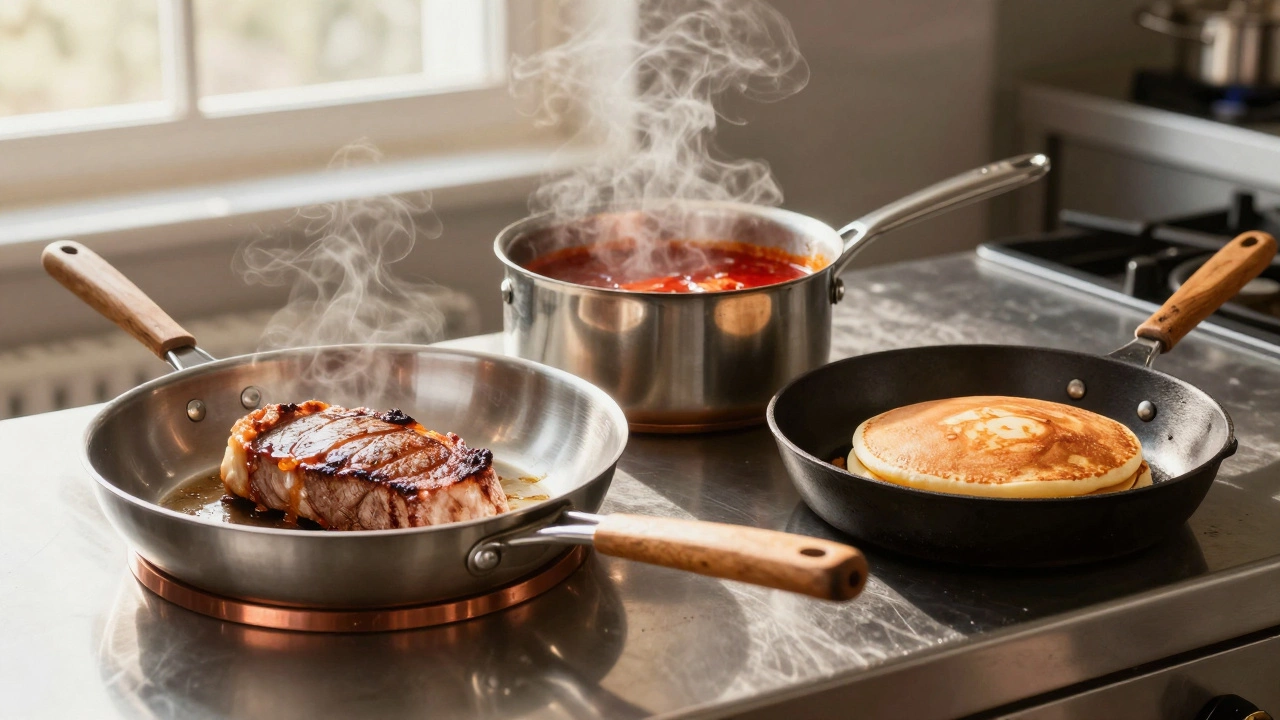
What Cookware Do Most Chefs Prefer? Top Picks from Professional Kitchens
Most chefs prefer stainless steel, carbon steel, and cast iron cookware for their durability, heat control, and longevity. Learn why nonstick and gimmicky pans are rarely used in professional kitchens.
-
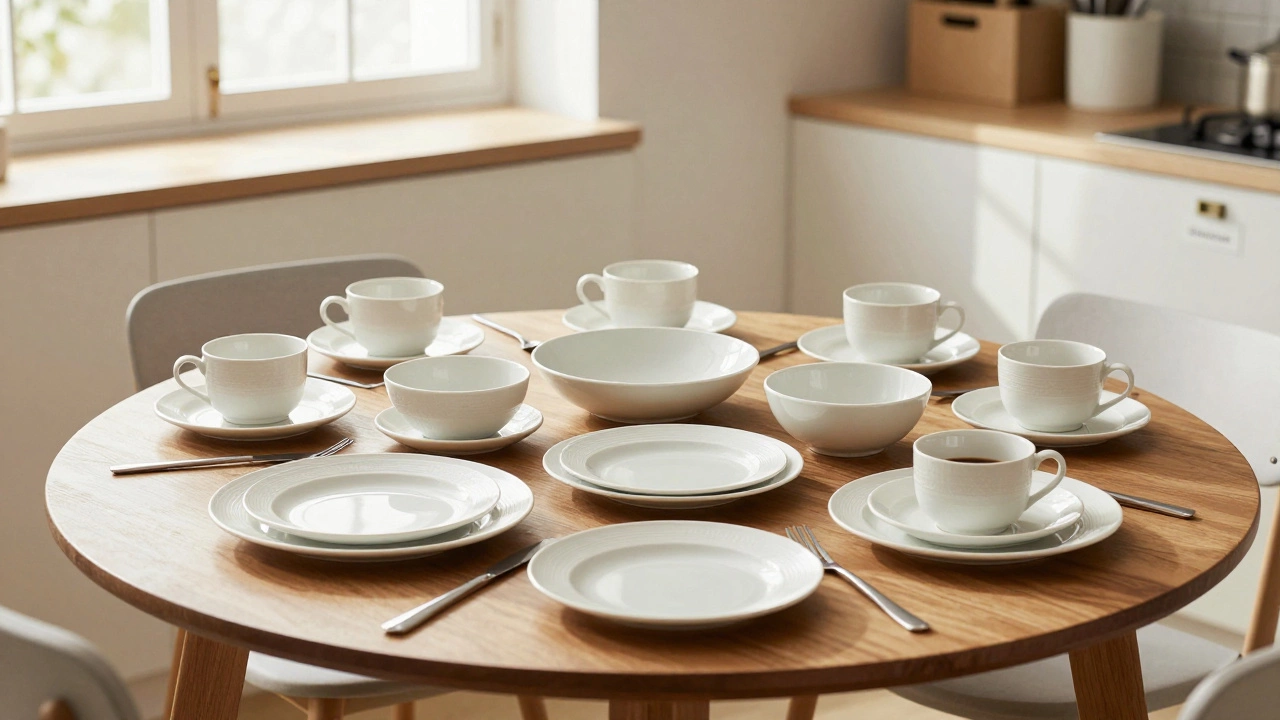
What is another word for cups, saucers, and plates? The right term for dinnerware
The correct term for cups, saucers, and plates is dinnerware. It’s the standard word used by retailers, manufacturers, and homeowners. Learn why other terms like tableware or chinaware don’t work as well.
-
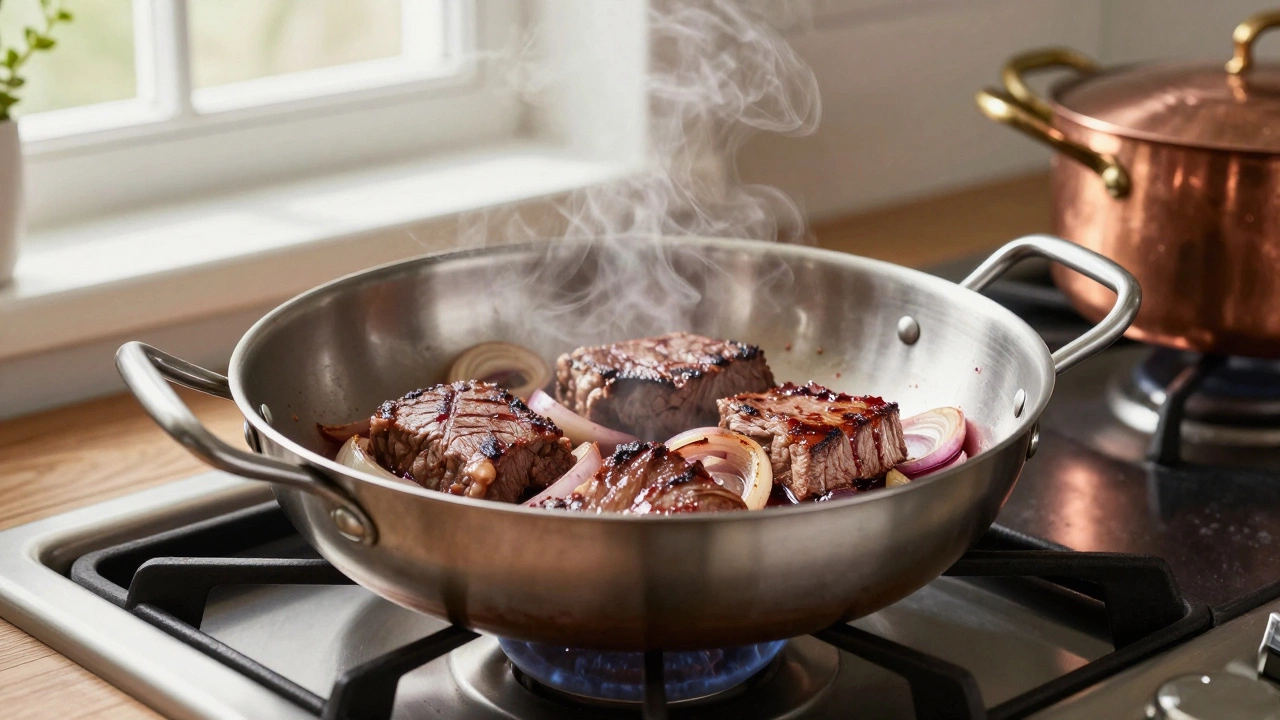
What Is a Pan with Two Handles Called? The Real Name and Why It Matters
A pan with two handles is called a sauté pan - designed for safe lifting, even cooking, and versatile meals. Learn why it’s a must-have in any kitchen.
-
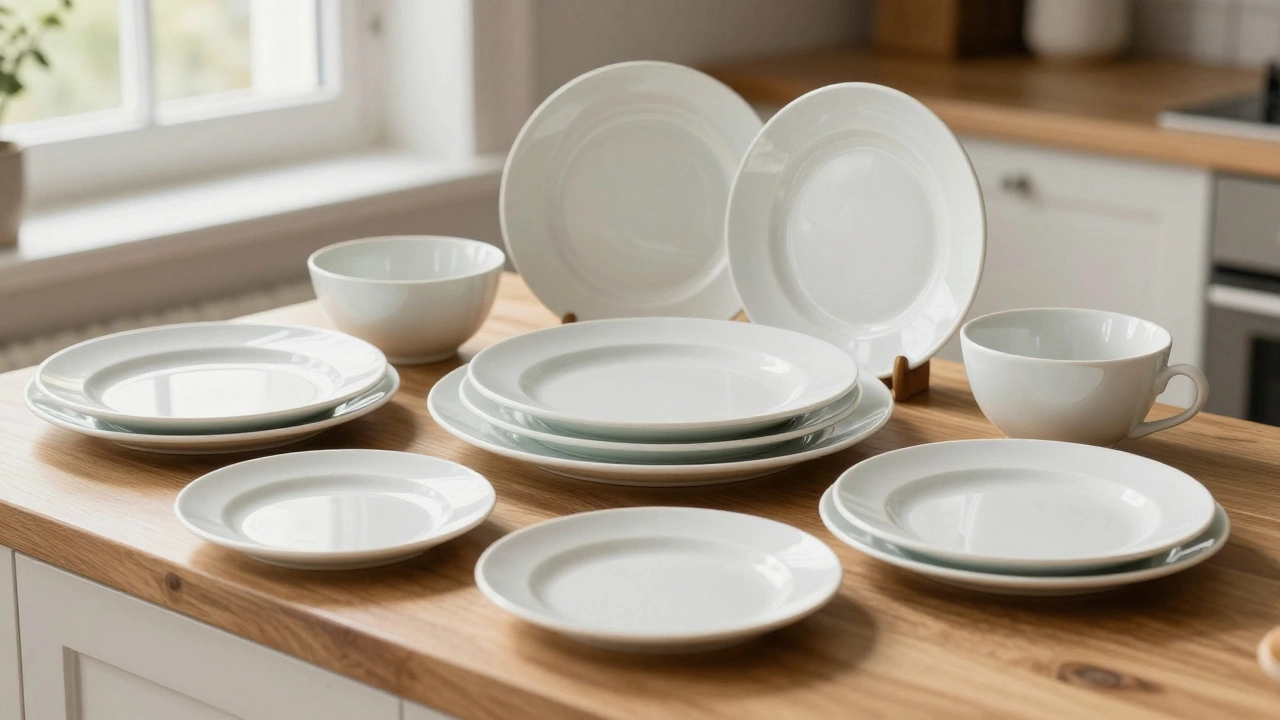
What Is the Proper Term for Dishes? A Clear Guide to Kitchenware Naming
Learn the correct terms for kitchenware-dishes, dinnerware, and tableware-and how to choose the right set for your home. Avoid shopping mistakes with clear definitions and real-life examples.
-
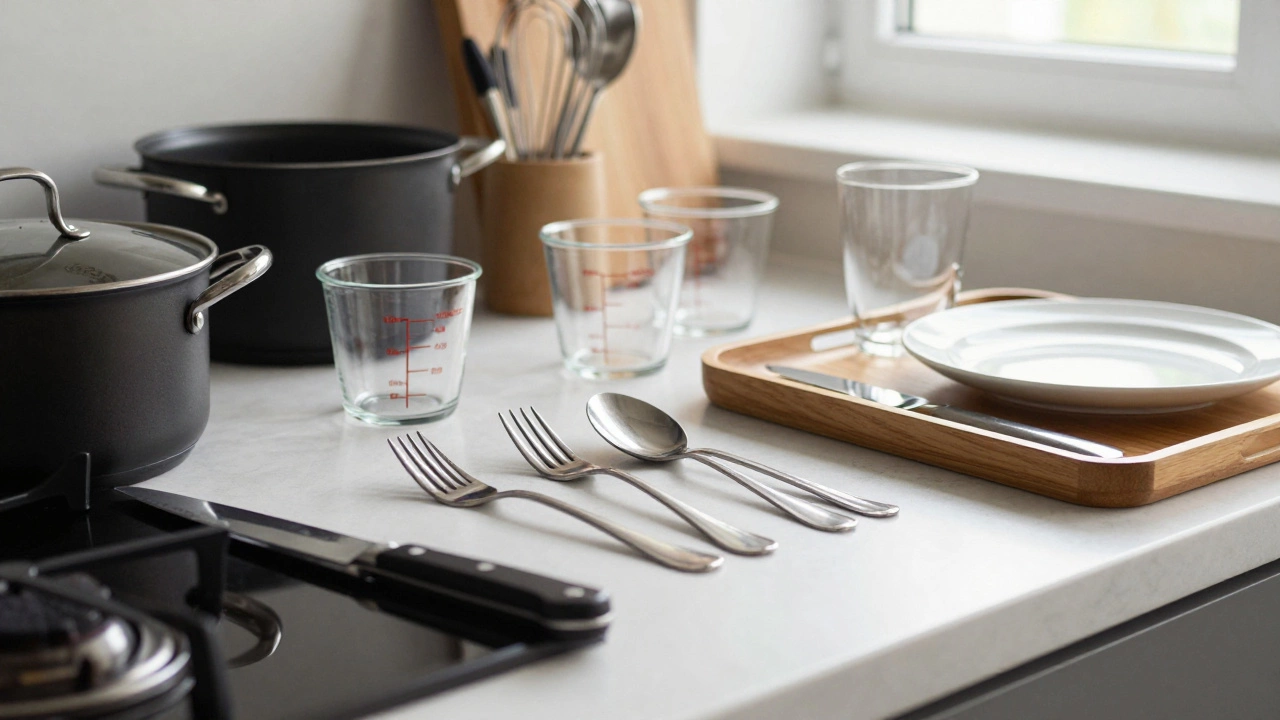
Is Cutlery Considered Kitchenware? Here’s What Actually Counts
Cutlery isn't kitchenware - it's tableware. Learn the clear difference between tools used to cook and those used to eat, and how to organize your kitchen properly.